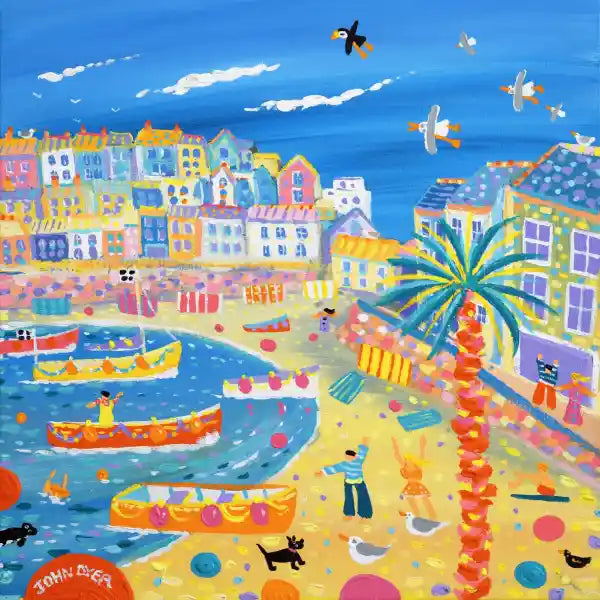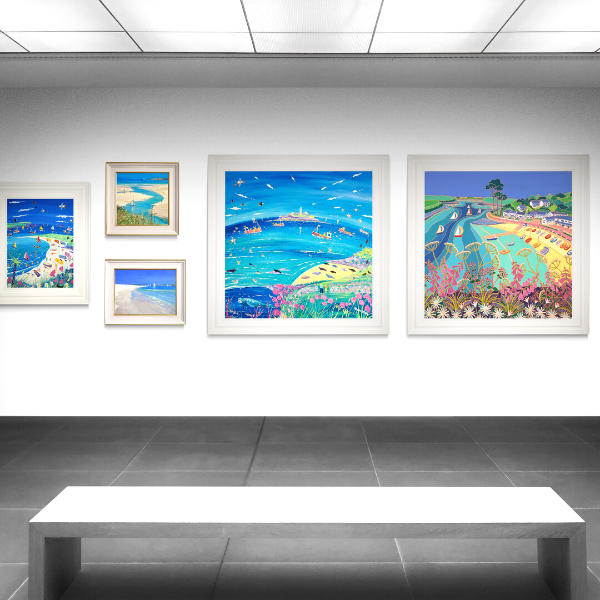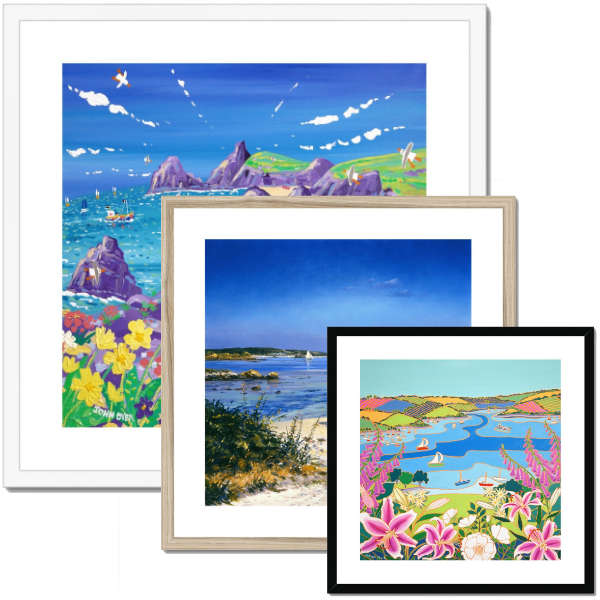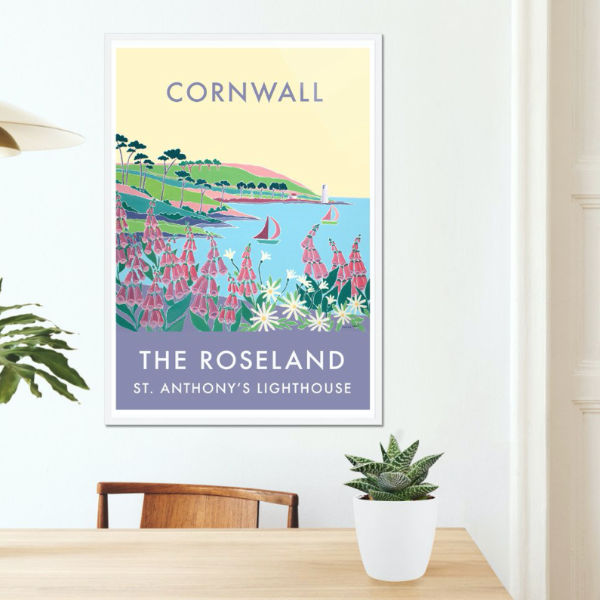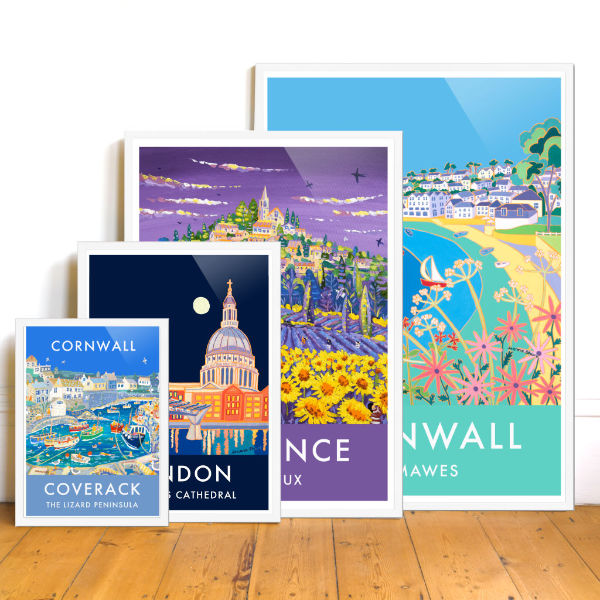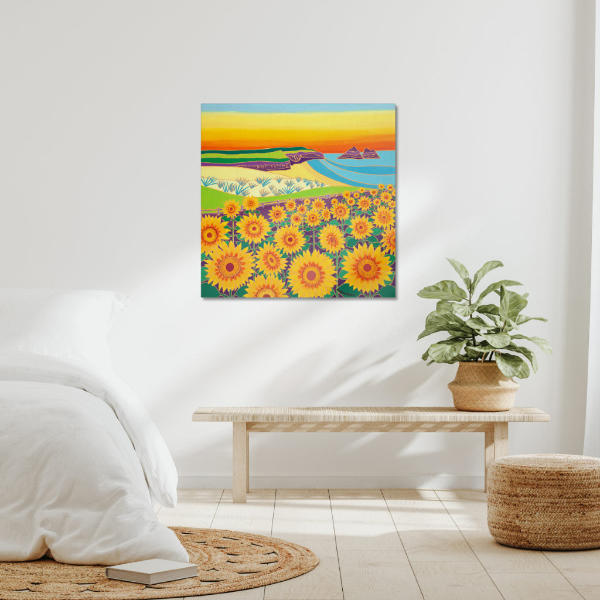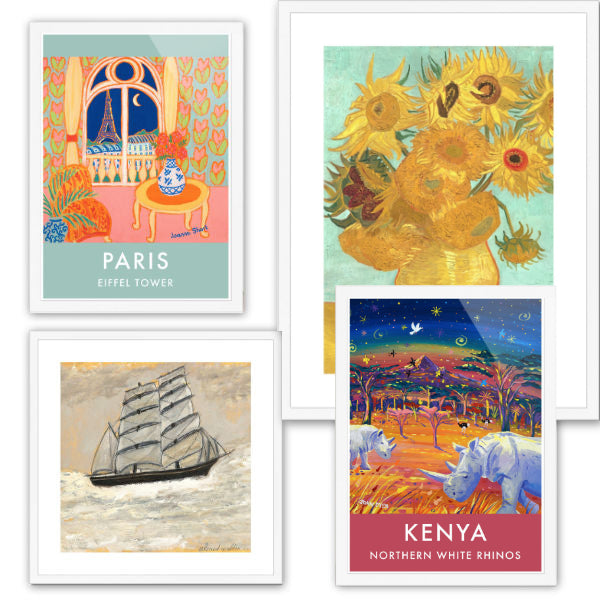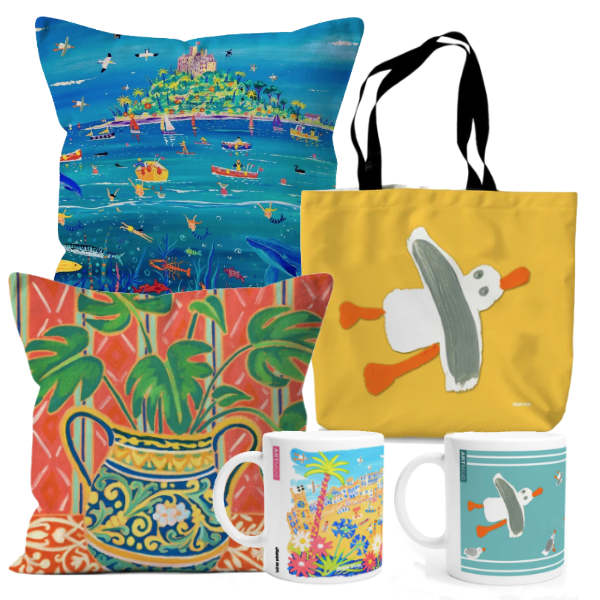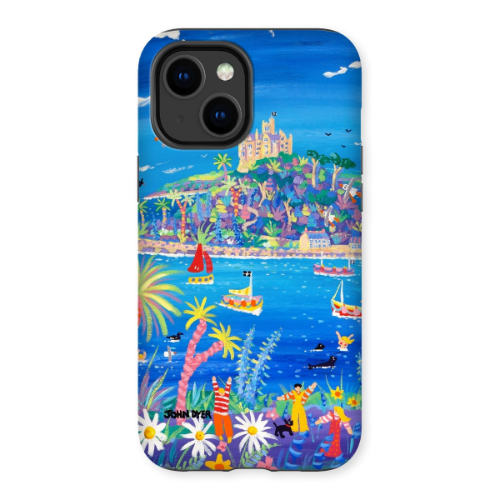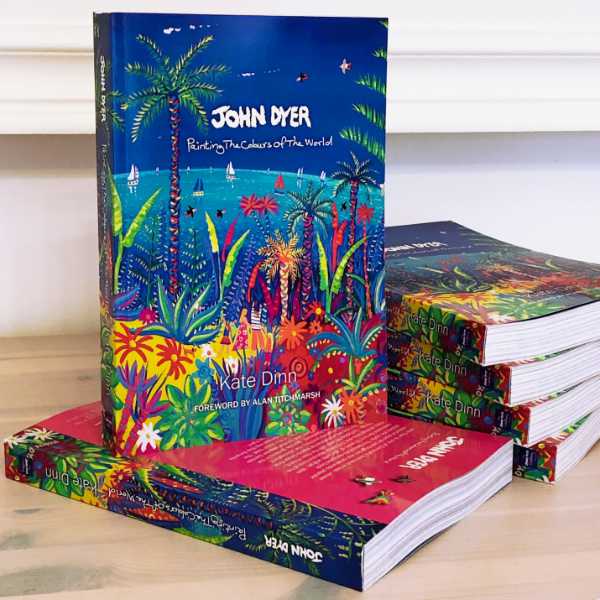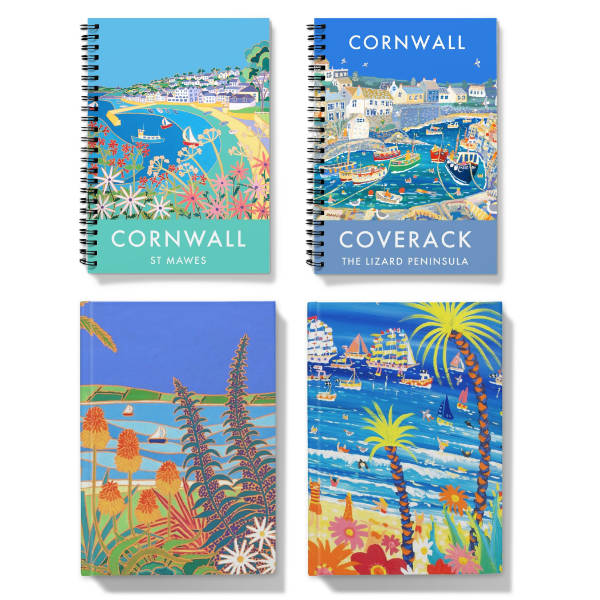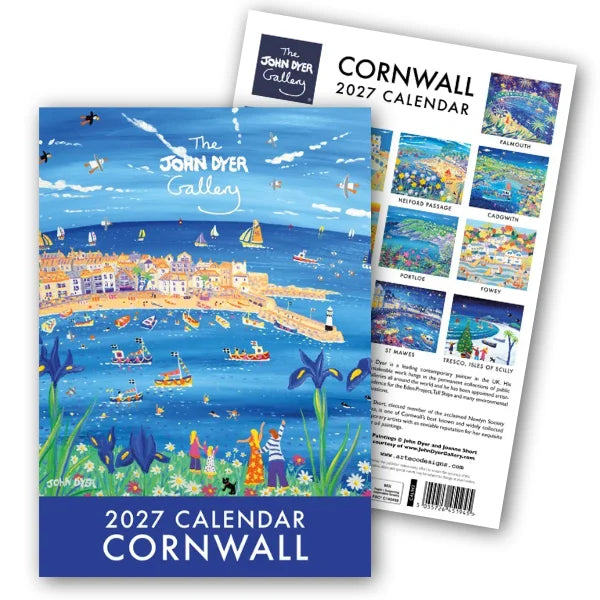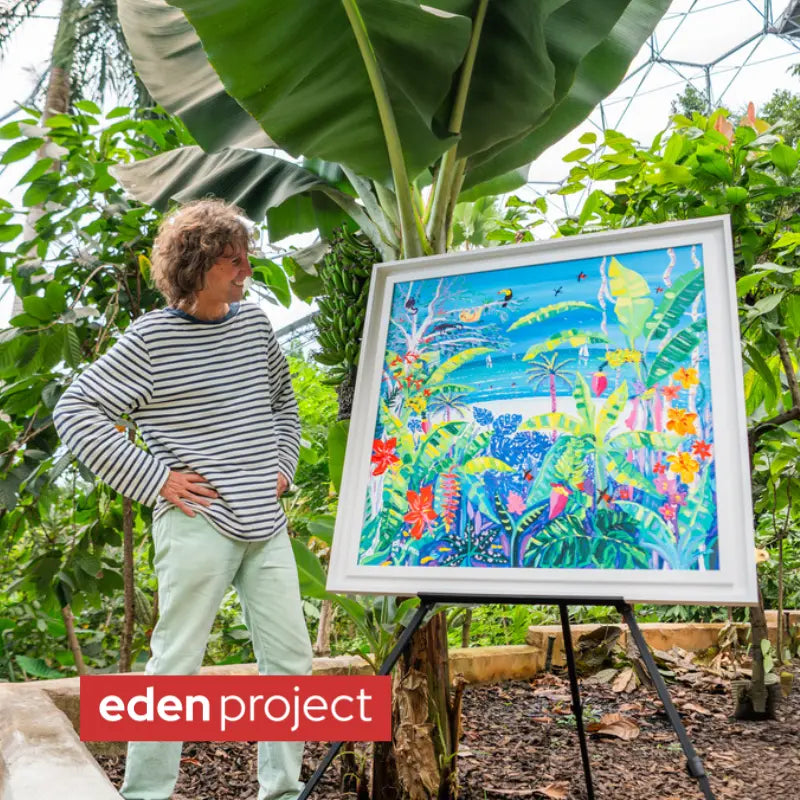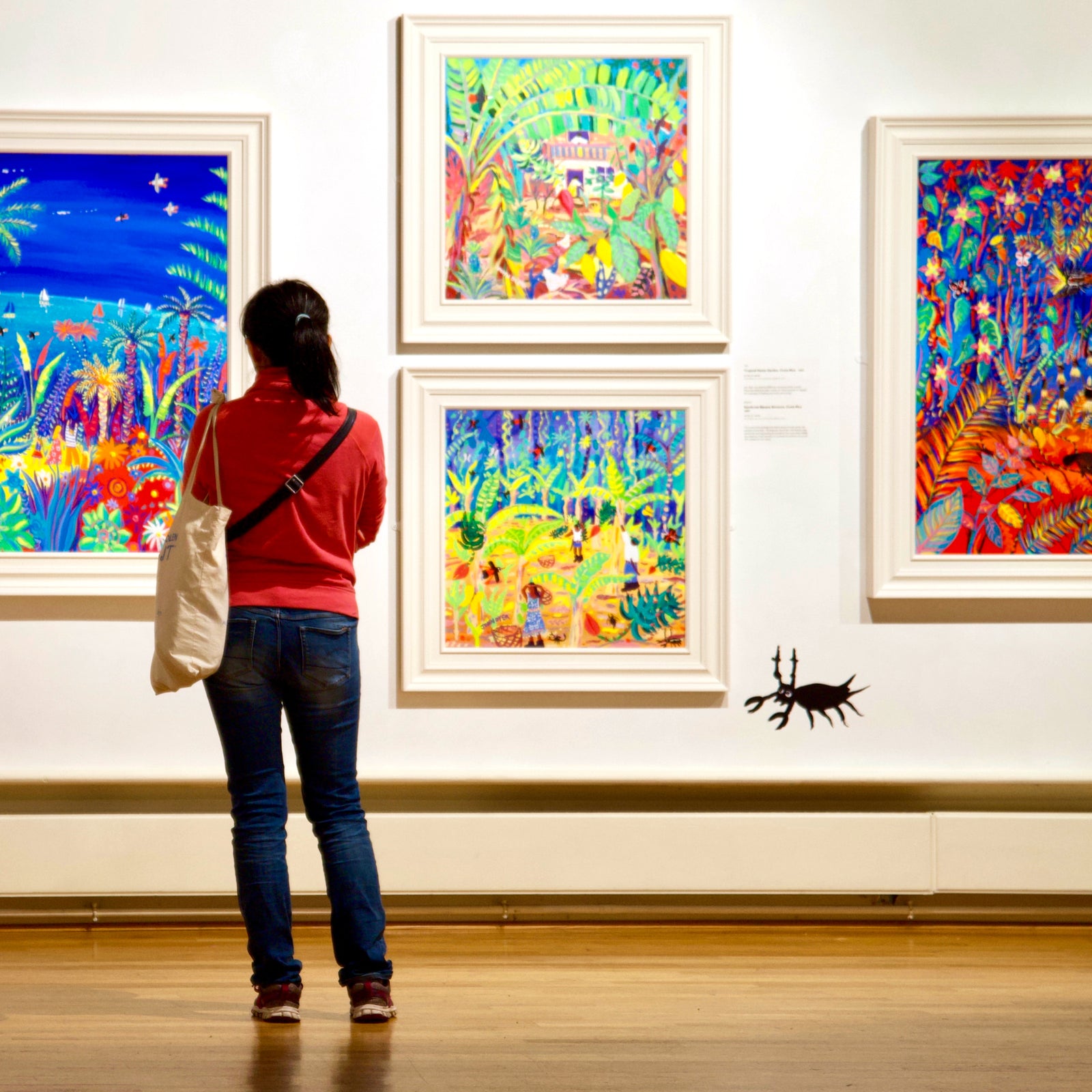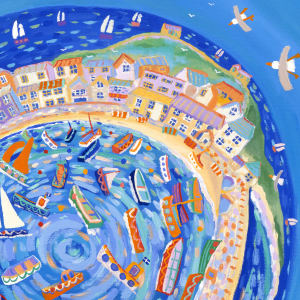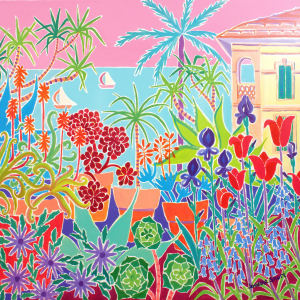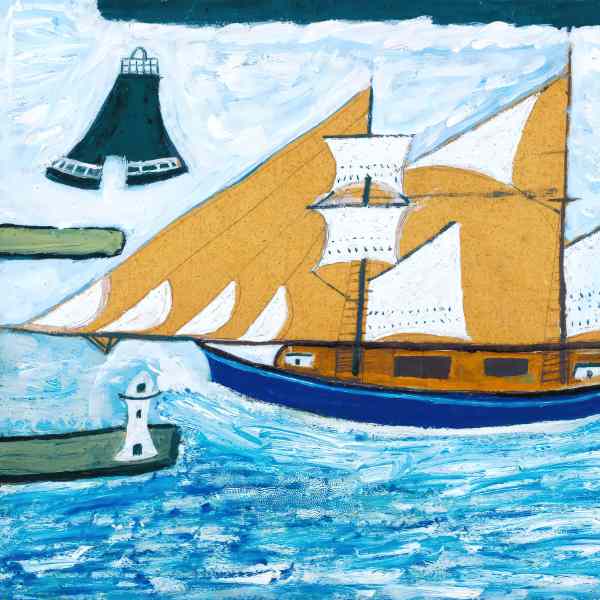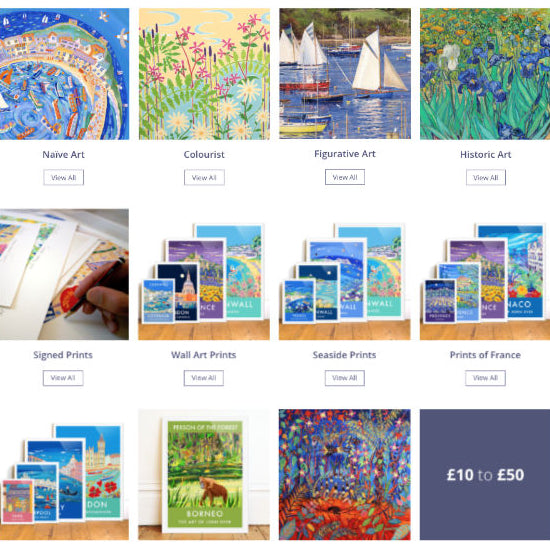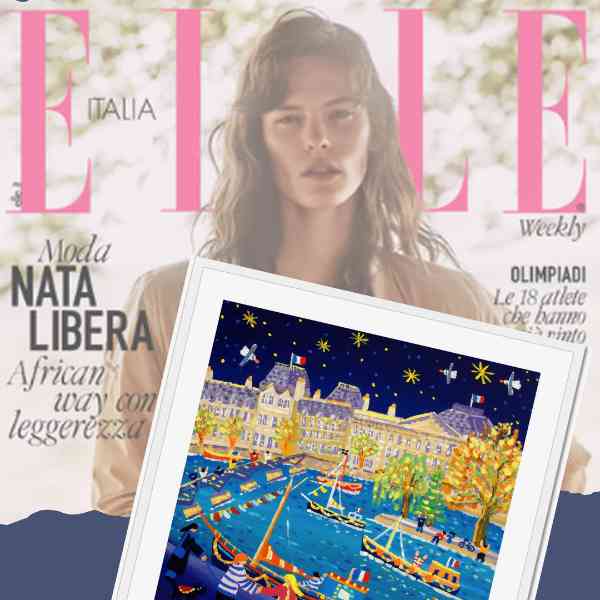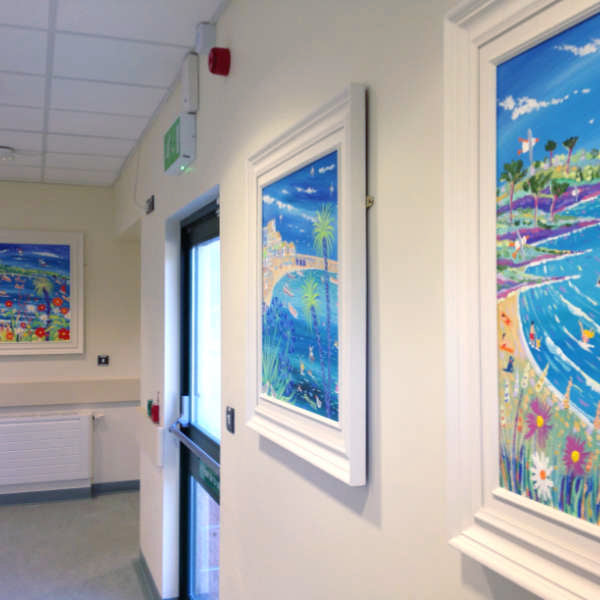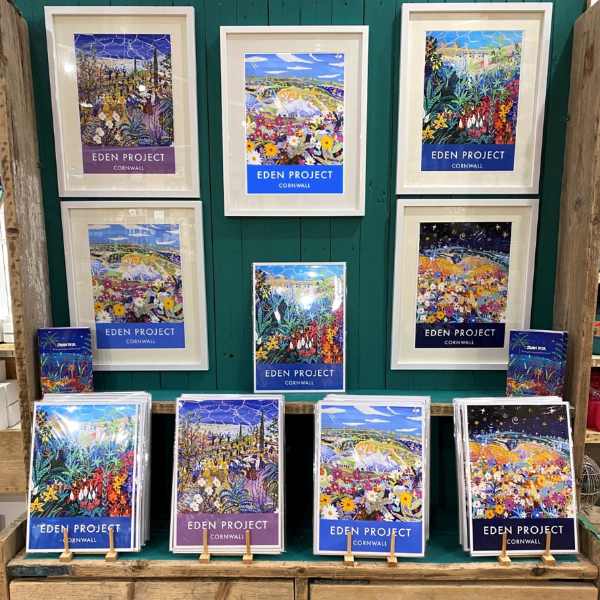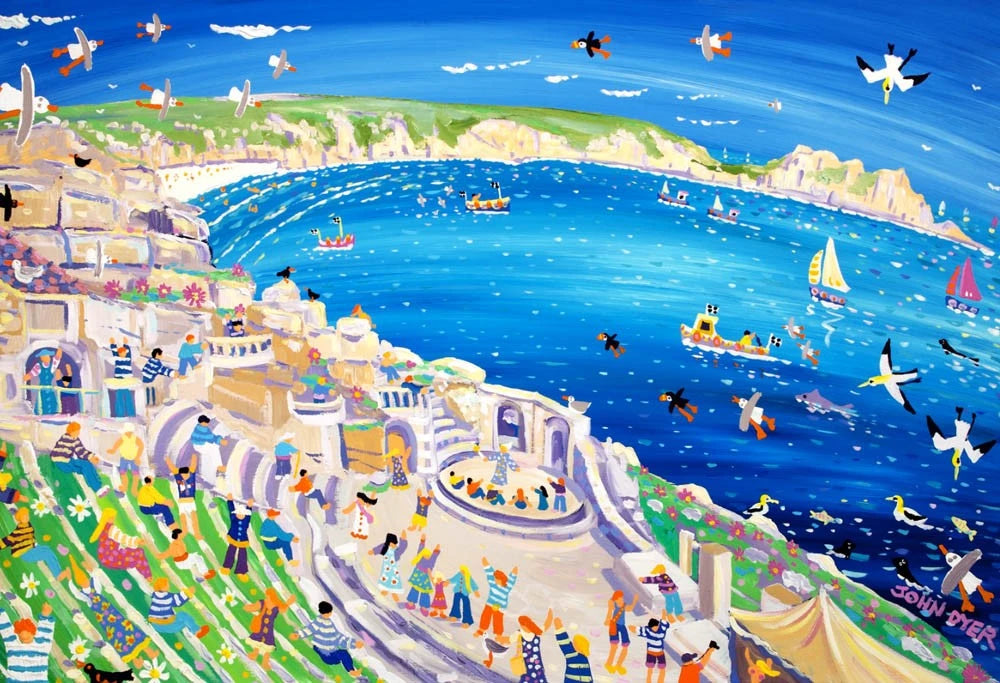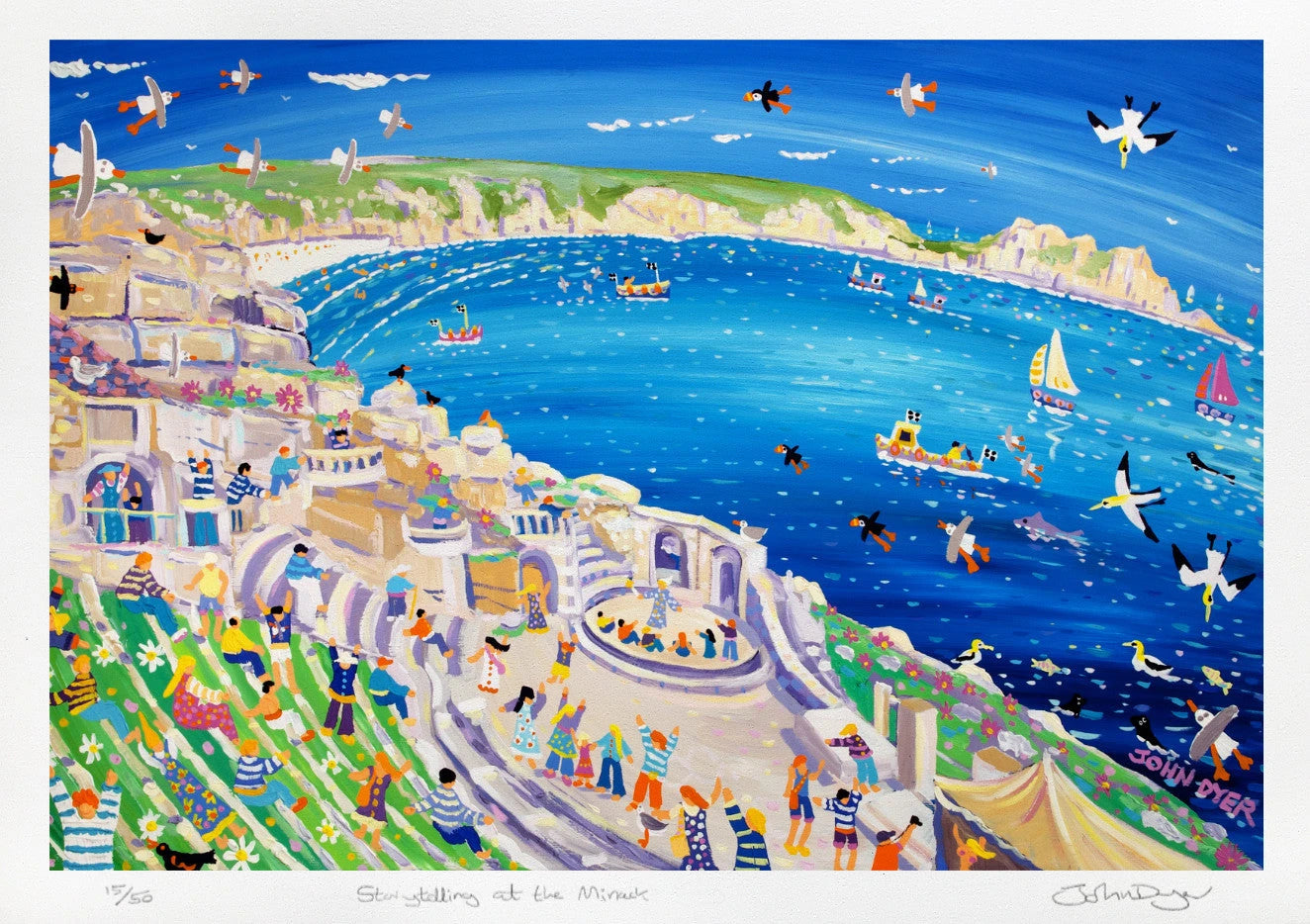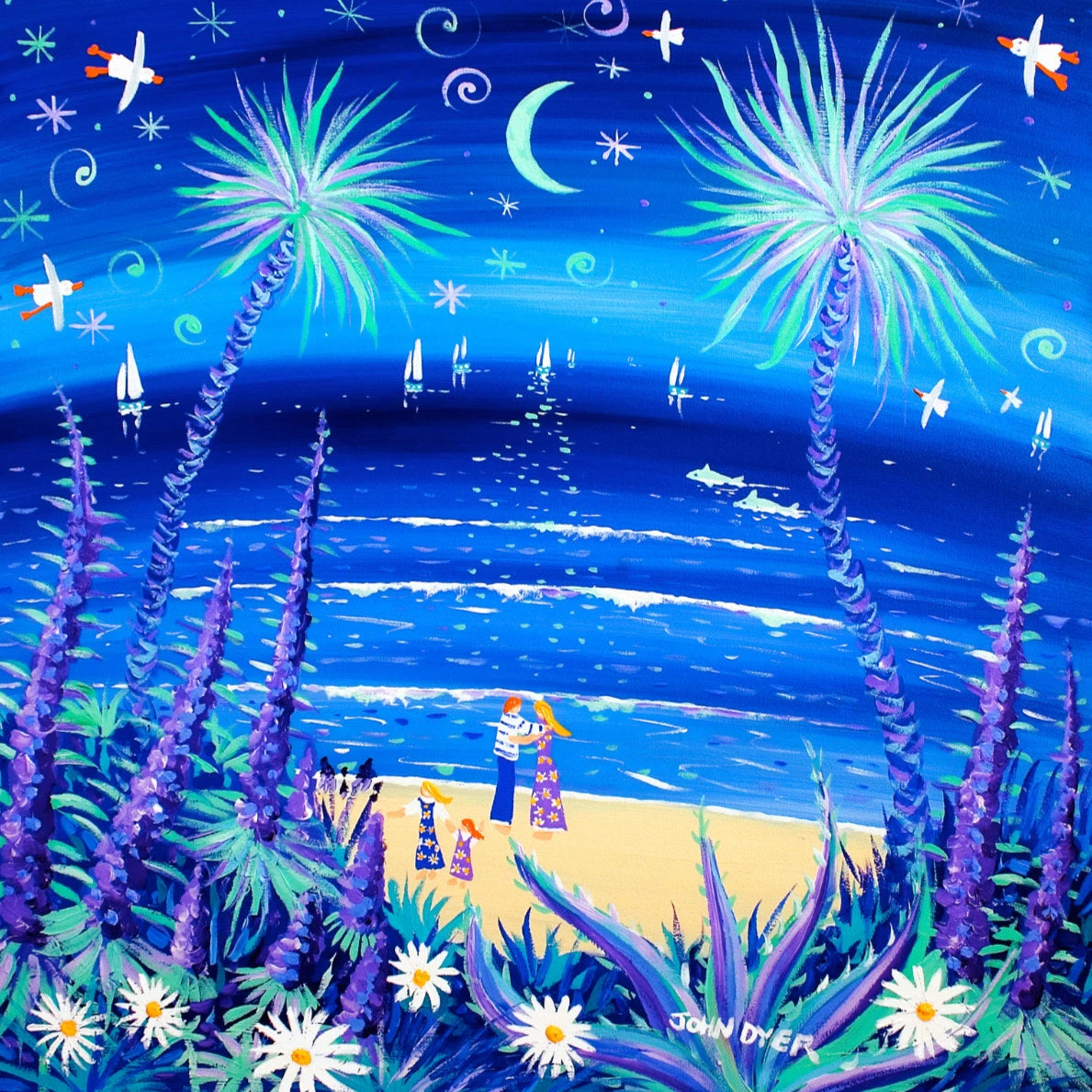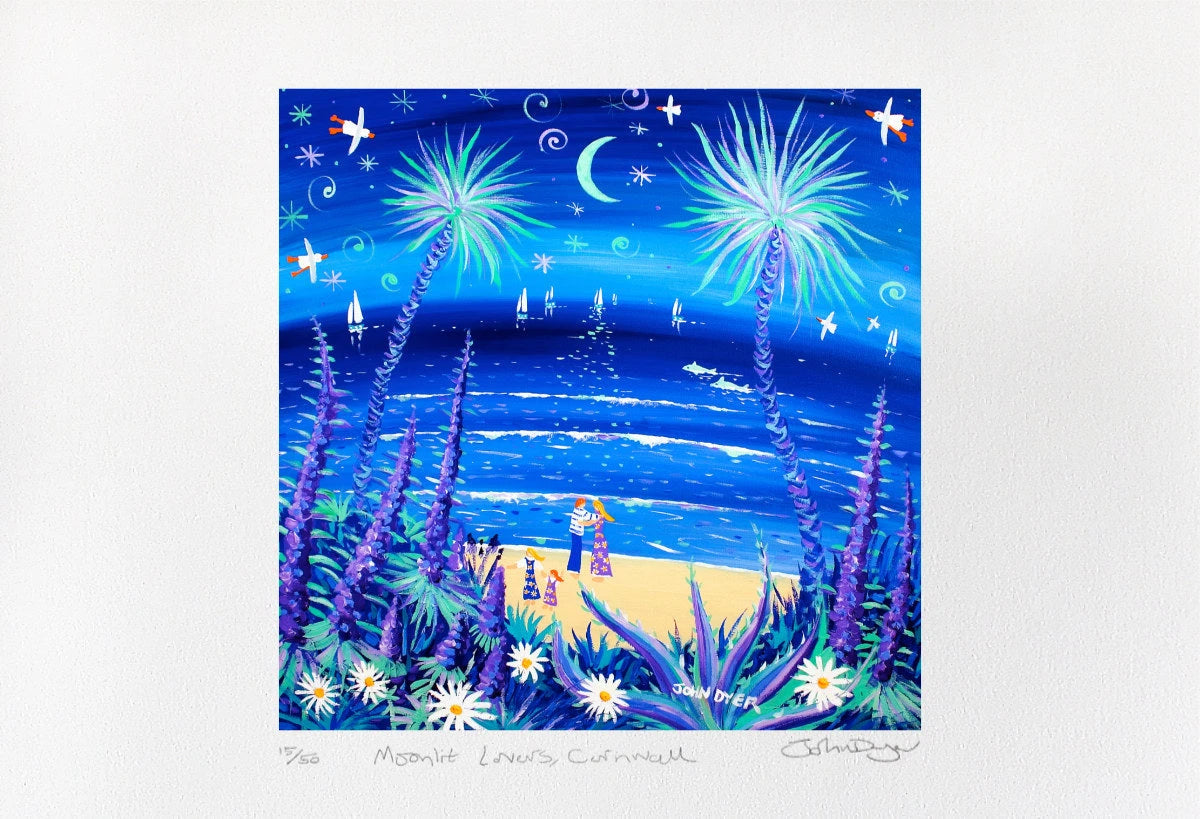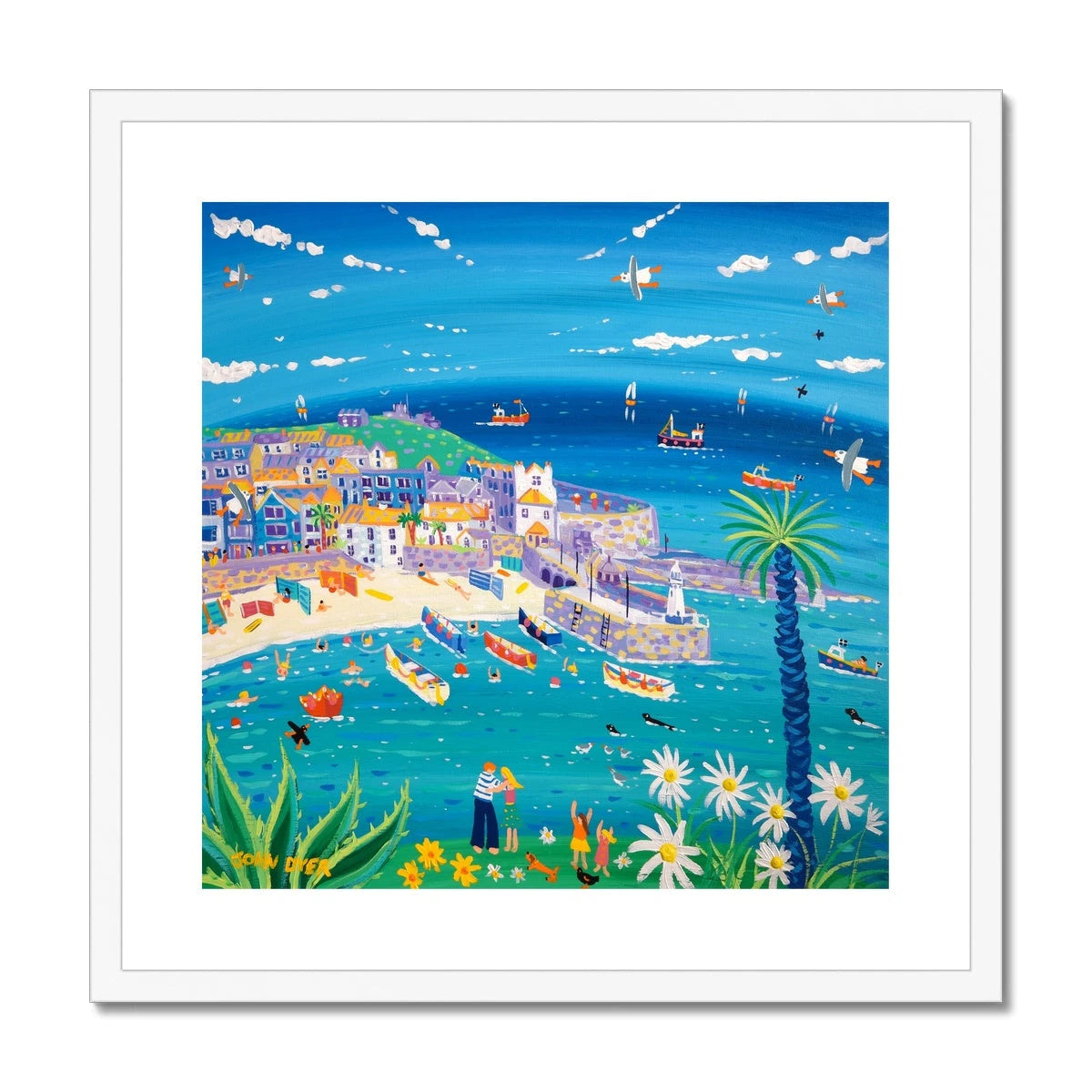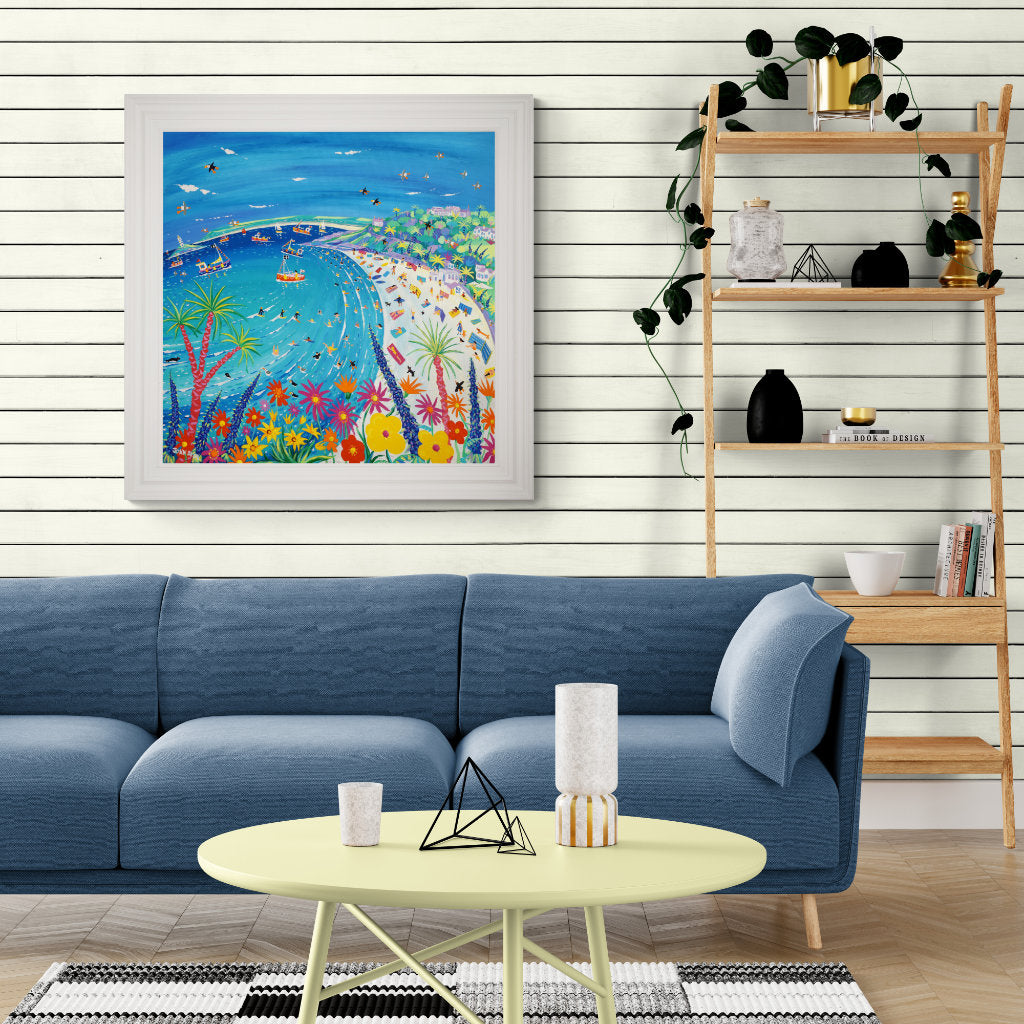


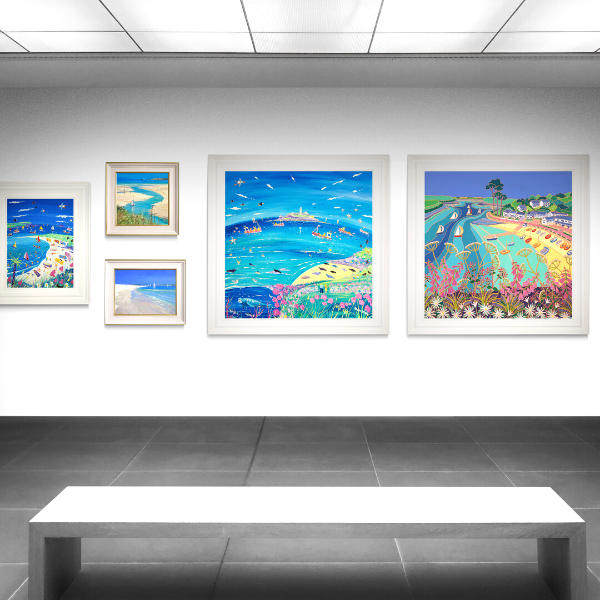

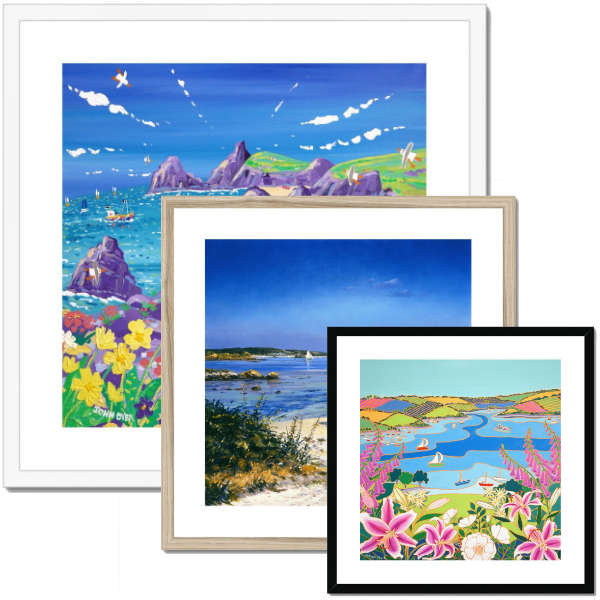
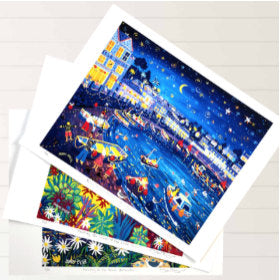
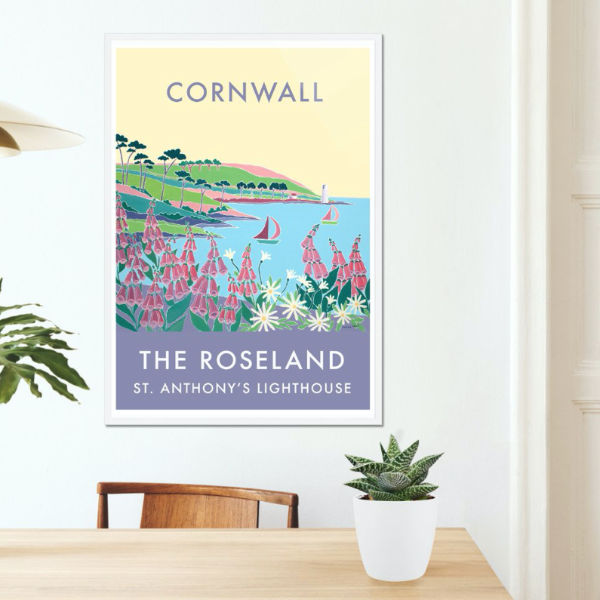

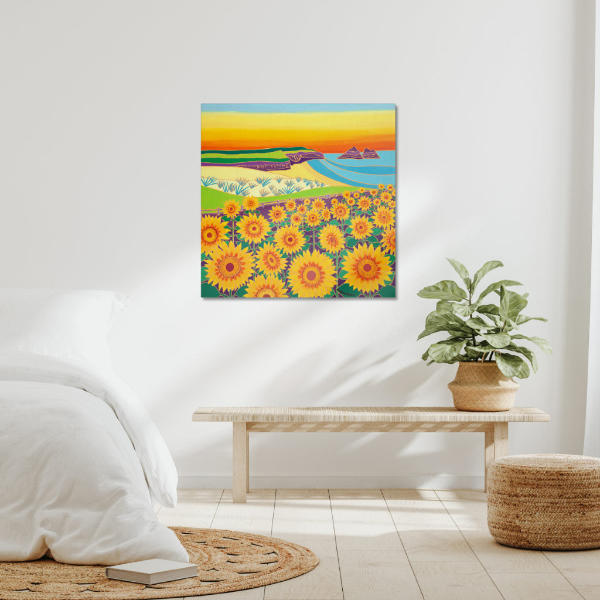


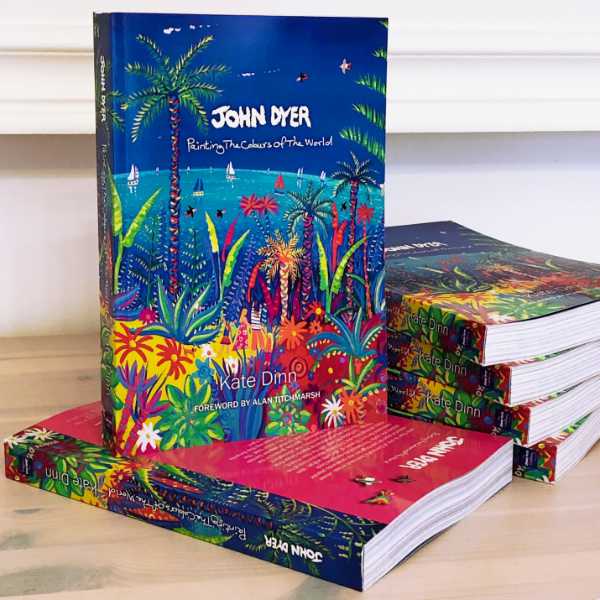
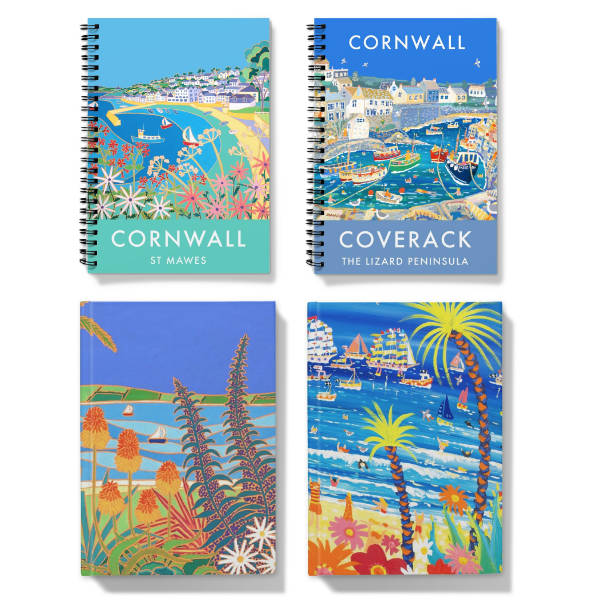











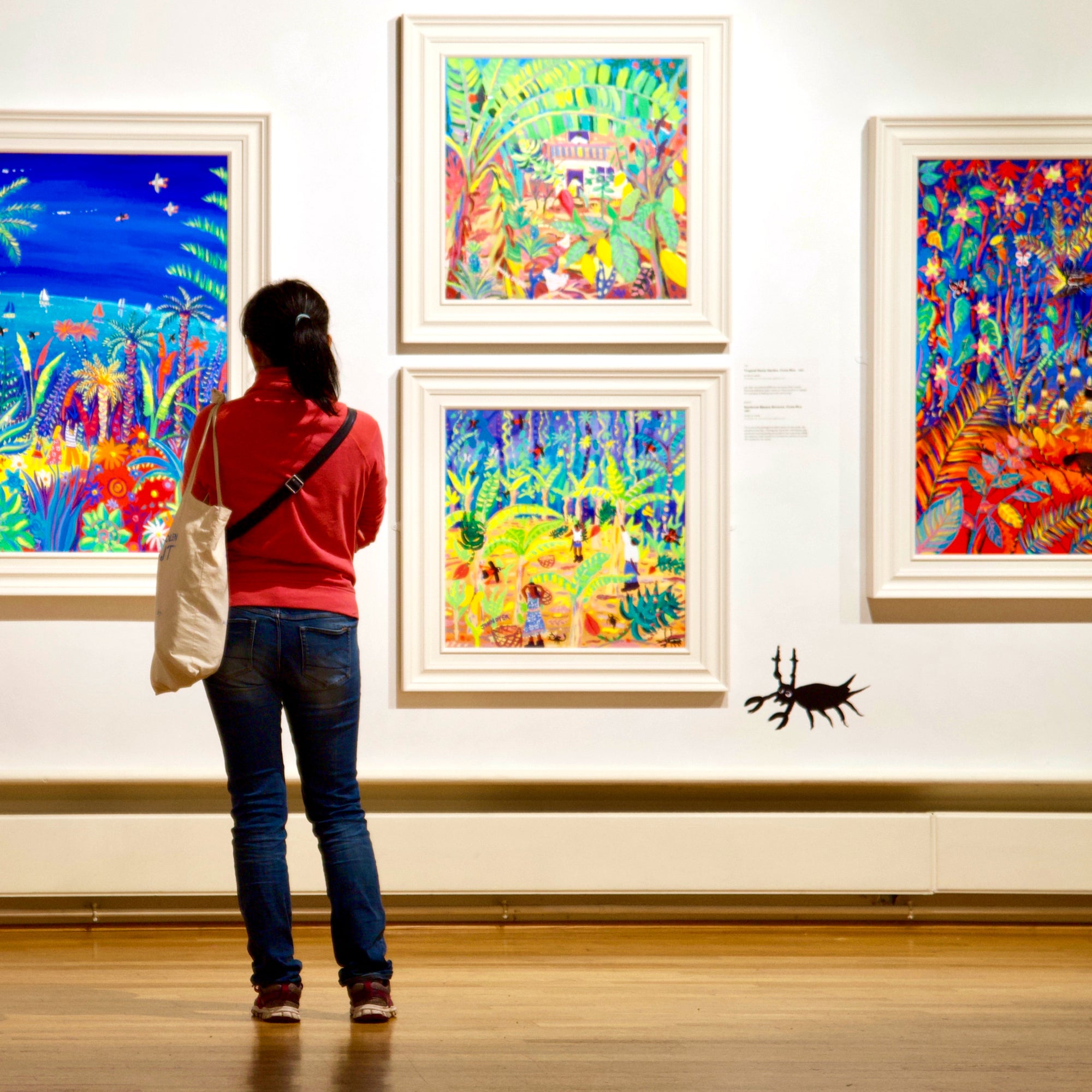
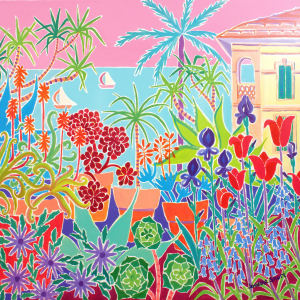




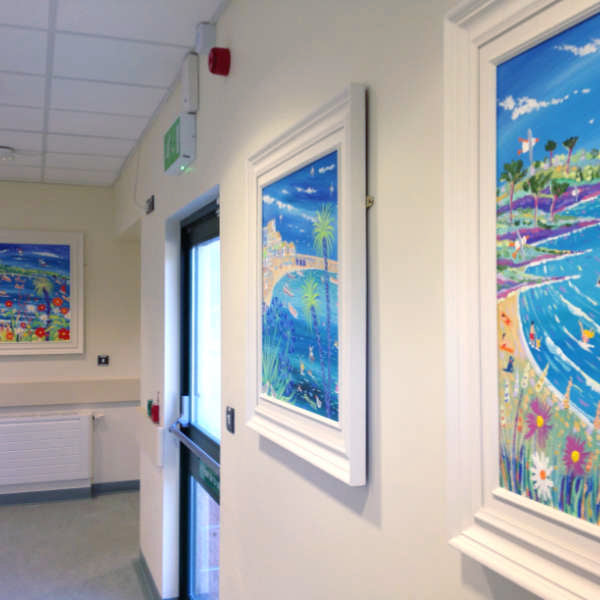

Beautiful art deserves beautiful printing. At John Dyer Gallery, we choose fine art papers and pigment inks to bring the colour, detail and character of the artwork into your home. From a signed studio edition to an open edition or art poster, our prints are giclée printed to fine art standards.
This guide explains the materials in each range, the evidence behind their longevity and the simple care that helps you enjoy your print for many years.
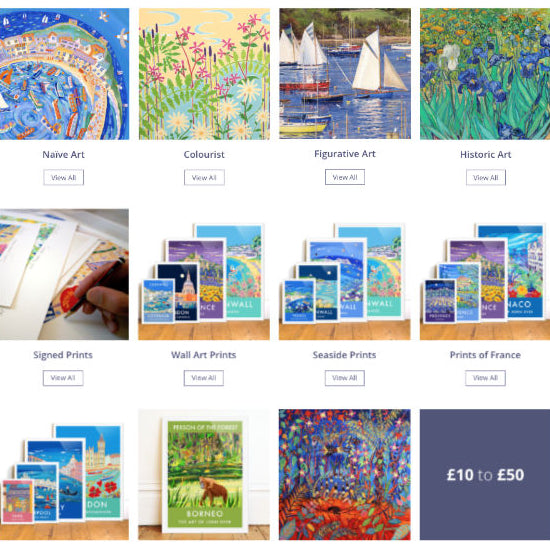
Ready to find your print? Browse signed limited editions, unframed open editions, framed open editions or art posters. The guide below helps you choose the finish you prefer.
Giclée is a fine art inkjet printing process. The quality of the finished print depends on the image, the ink, the paper and how they work together. Our studio uses an Epson SureColor SC-P900 with genuine Epson UltraChrome PRO10 pigment inks. Our open editions and art posters are also produced using archival, pigment-based giclée printing.
Genuine pigment inks and carefully selected papers help reproduce the artwork’s colour and detail. The textured and smooth papers in our range are chosen for the character they bring to the finished image.
Edition size and paper choice are separate decisions. A signed limited edition offers a finite edition and the artist’s signature. An unsigned open edition offers another way to enjoy the artwork, with carefully chosen fine art materials of its own.
Our studio prints use Hahnemühle German Etching 310gsm with Epson UltraChrome PRO10 inks. This substantial, textured paper has a soft, tactile surface that gives the image a lovely sense of depth. Its matt finish lets you enjoy the colour and detail without a glossy paper surface.
Our unframed open editions are printed on Hahnemühle German Etching 310gsm using archival pigment inks. You receive the same named fine art paper used in our studio range. Choose an unframed print when you would like to select your own mount and frame. Explore unframed open editions.
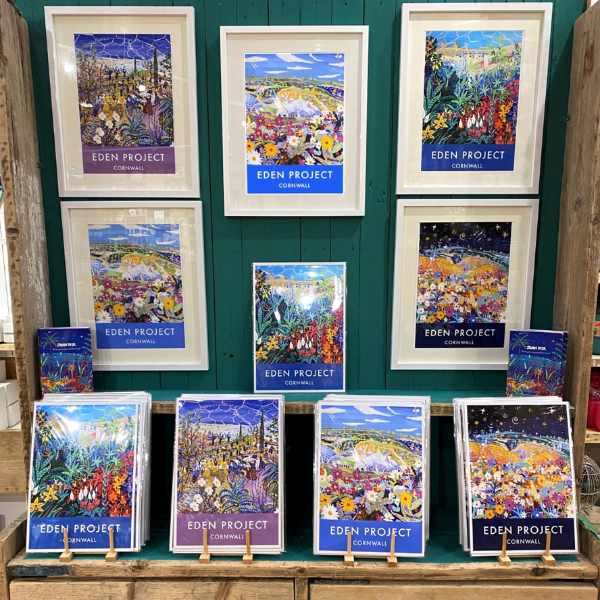
Our framed open editions and art poster prints use Enhanced Matte Art paper. Its smooth, matt surface offers a different finish from the pronounced texture of German Etching. These are also pigment-printed giclée art prints: the poster format describes the range, while the materials and printing process provide its fine art quality. Explore framed open editions or art posters.
Hahnemühle describes German Etching as museum-quality paper, compliant with ISO 9706 for age resistance. It is made from 100% alpha-cellulose, is acid- and lignin-free, and has a coating developed for fine art inkjet printing. These are specific material qualities behind the description, rather than a promise that every print has an identical lifespan. See Hahnemühle’s German Etching specification.
Fine art pigment printing and archival paper are chosen for lasting enjoyment. Hahnemühle explains that the paper’s resistance to ageing and the stability of the printed image are different things: its paper can have a life expectancy of several hundred years, while image permanence depends on the ink and conditions. Its guidance describes more than 100 years of light stability with pigment inks. Read Hahnemühle’s permanence guidance.
Our open editions and art posters use an archival pigment-printing process specified by the print supplier for over 100 years of colour longevity in ideal conditions. This is a supplier specification for the printing process and recommended papers. The life of an individual print depends on the image, its paper, framing and the conditions in which it is displayed or stored.
Epson advertises colour print longevity of up to 200 years for the SC-P900 system, based on specified media and indoor display conditions. That is an ink-and-media rating, rather than a universal lifespan for every paper used in the printer. Epson explains the rating and its conditions.
The Wilhelm Imaging Research P700/P900 report, January 2023, provides separate results for ordinary glazing, UV-filtering glazing and dark storage on the named Epson media tested. German Etching is not listed. We therefore describe our studio prints by their verified archival materials, rather than claiming an independently certified 200-year display life for our exact paper-and-ink combination.
These practical steps follow the principles in the Canadian Conservation Institute’s guide to caring for art on paper. UV-filtering glazing helps protect a print, but visible light can also cause fading, so thoughtful placement remains worthwhile.
Whether you prefer the tactile German Etching surface, a signed edition or the convenience of a framed open edition, we want you to feel confident about what you are choosing. Explore our prints and posters, or contact the Gallery if you would like help choosing a print or frame.

Please confirm your sign-up in your inbox. If you do not see our email, check your Junk or Spam folder and add sales@johndyergallery.com to your safe senders list.