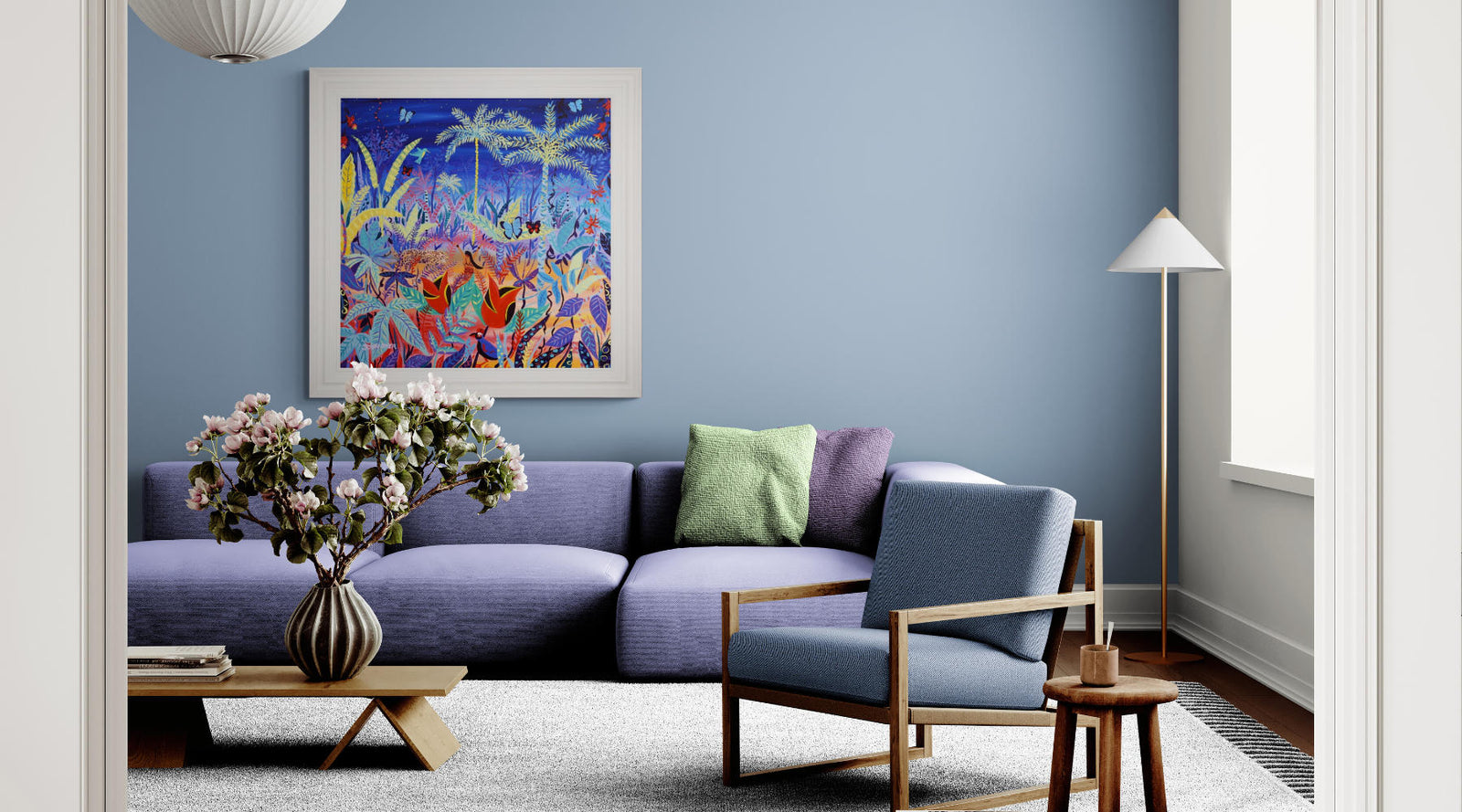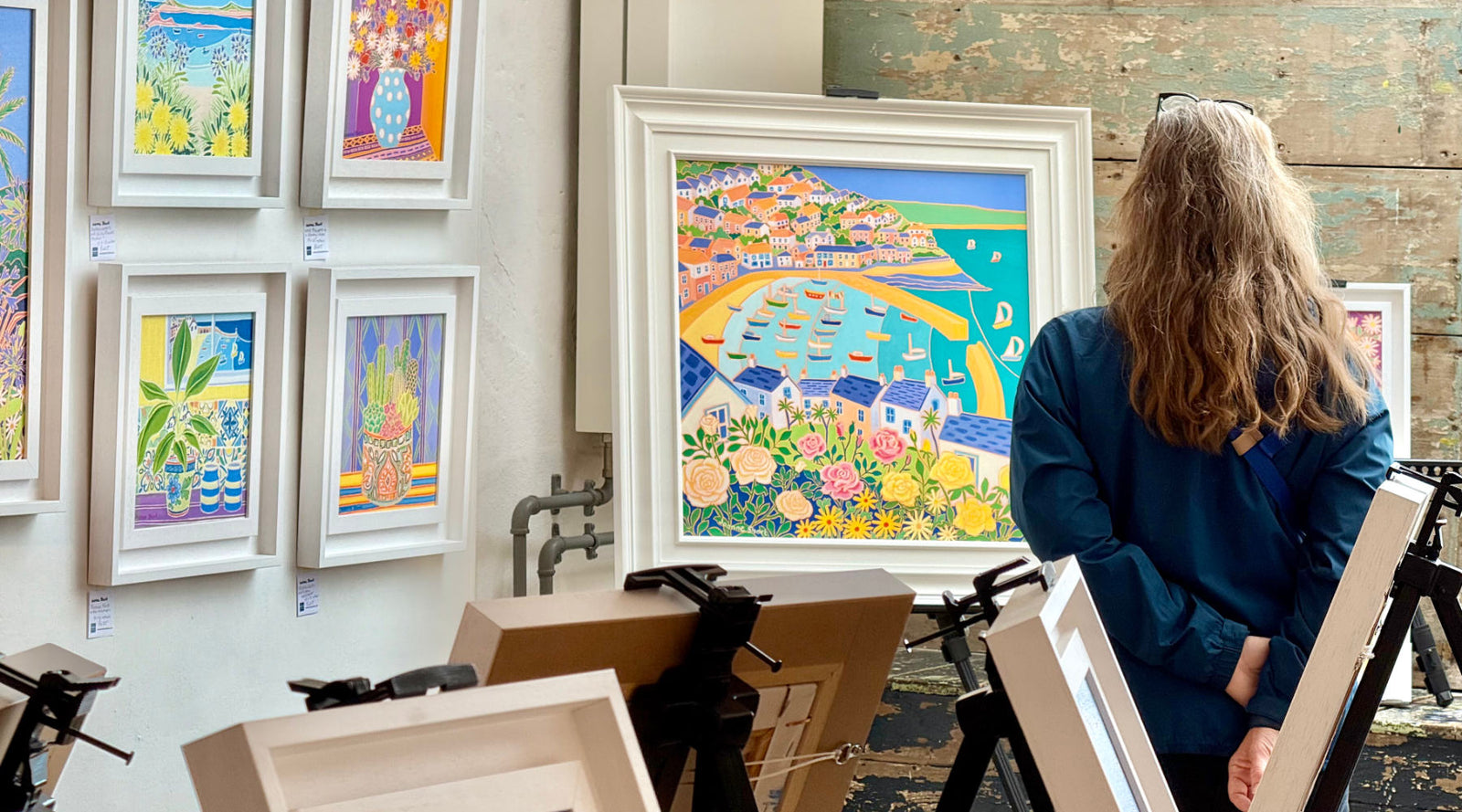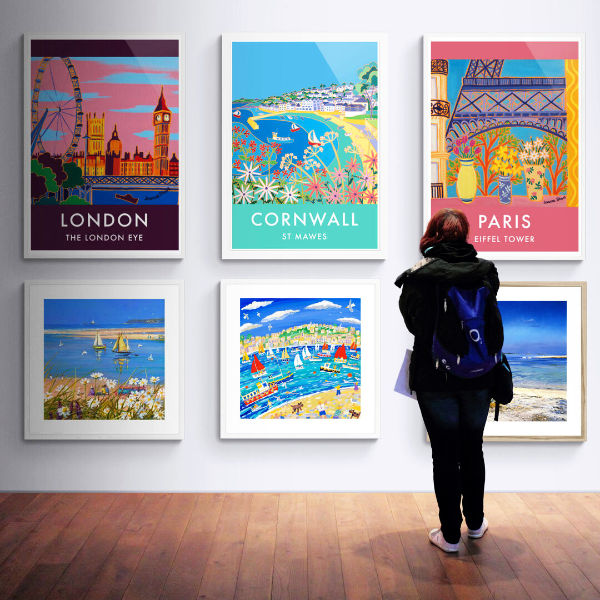





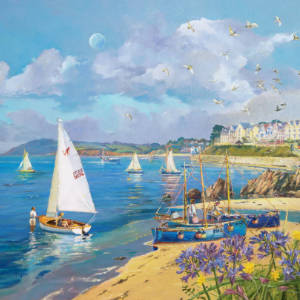

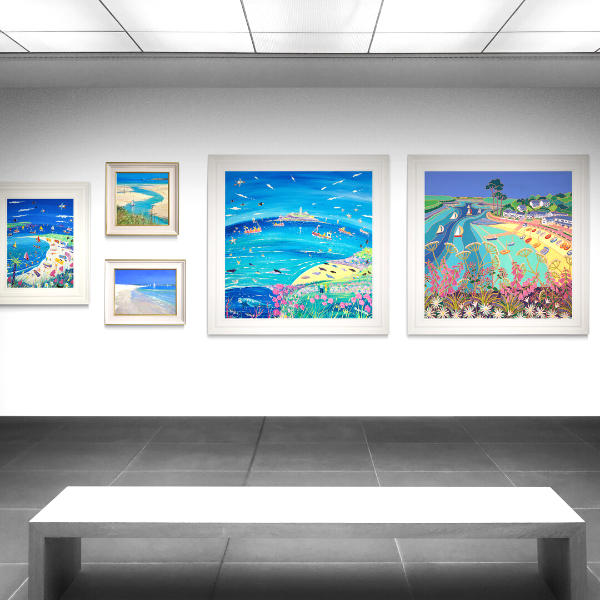




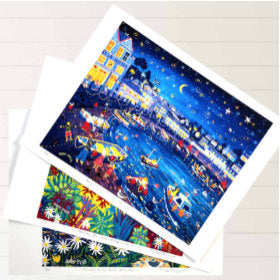
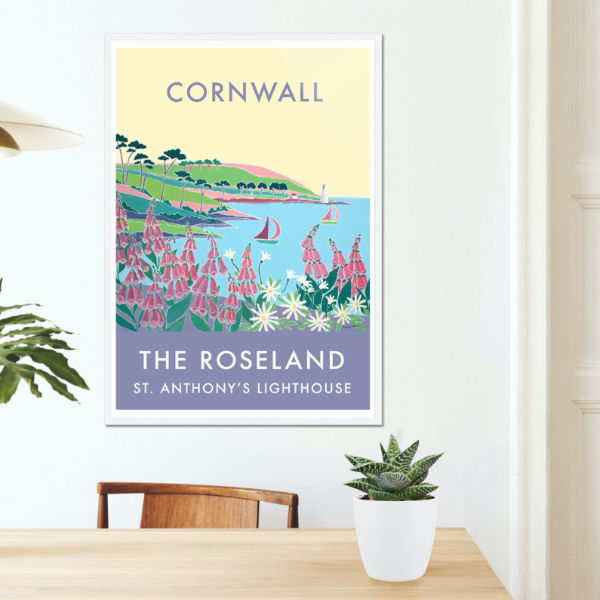
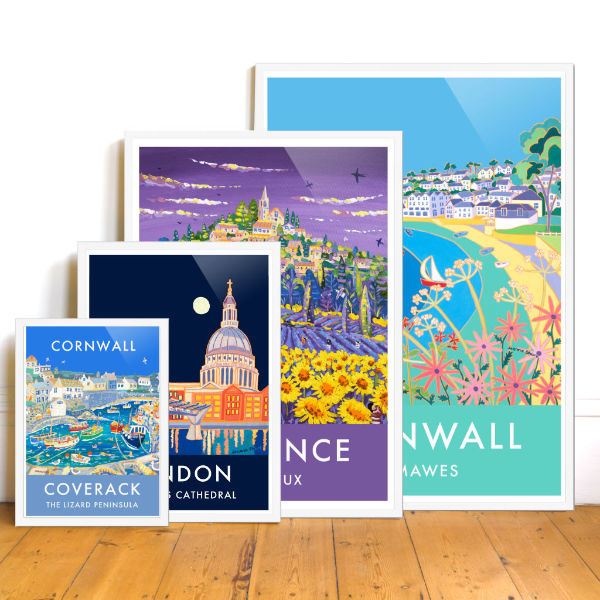

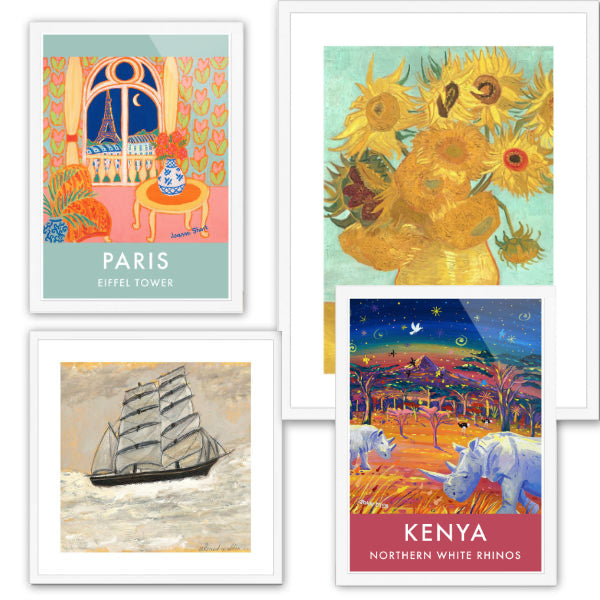









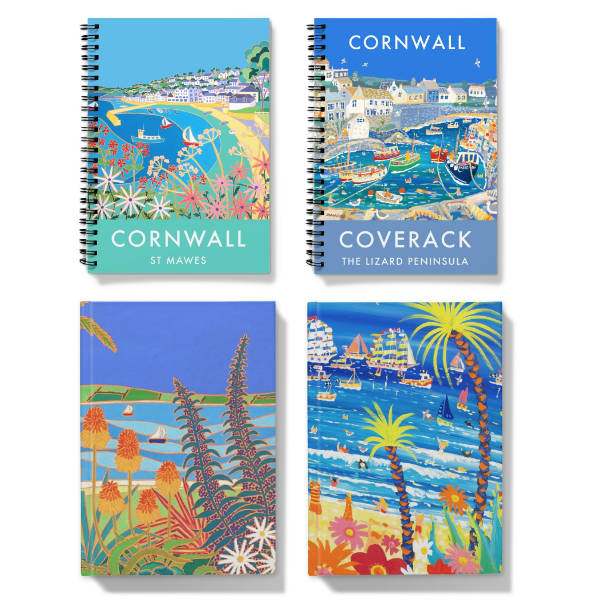
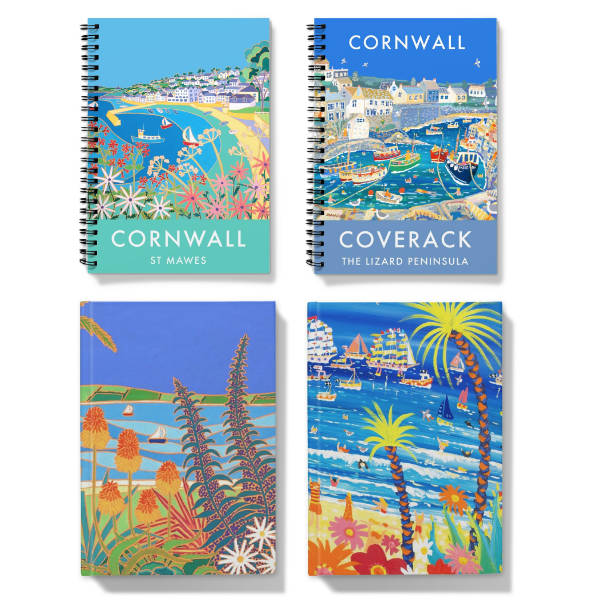














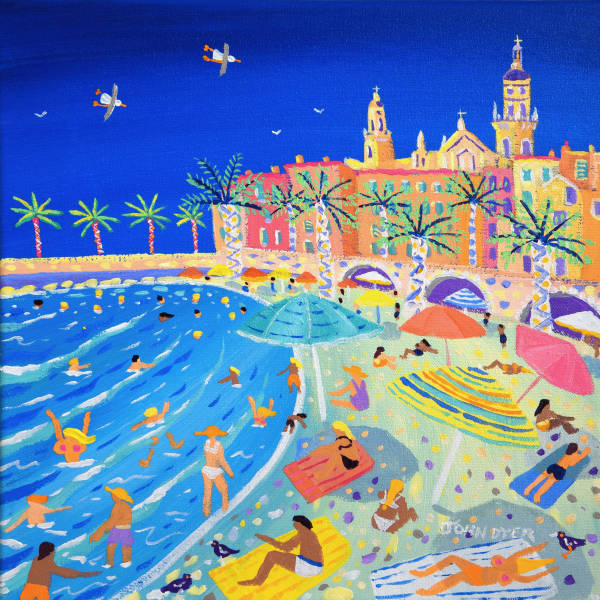



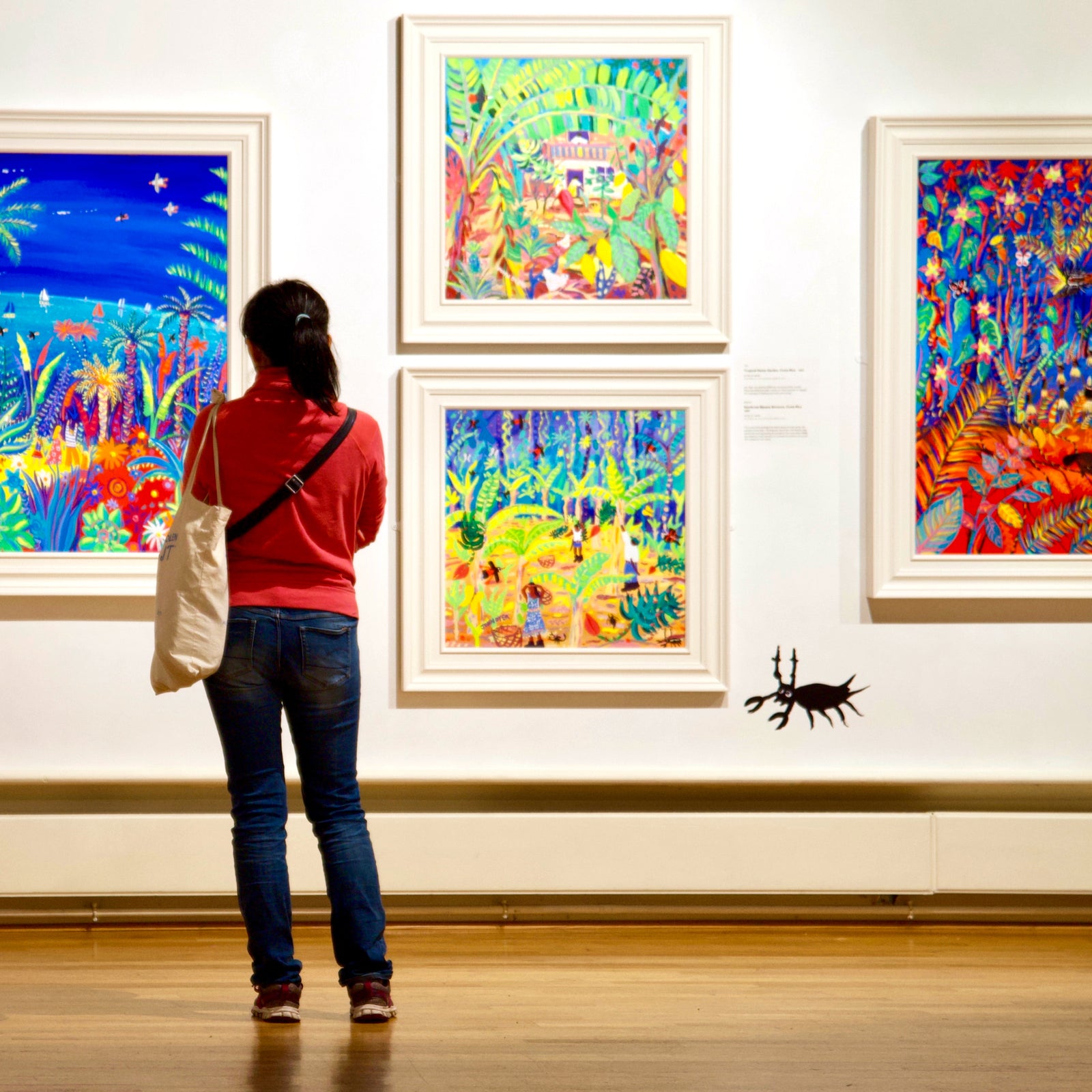
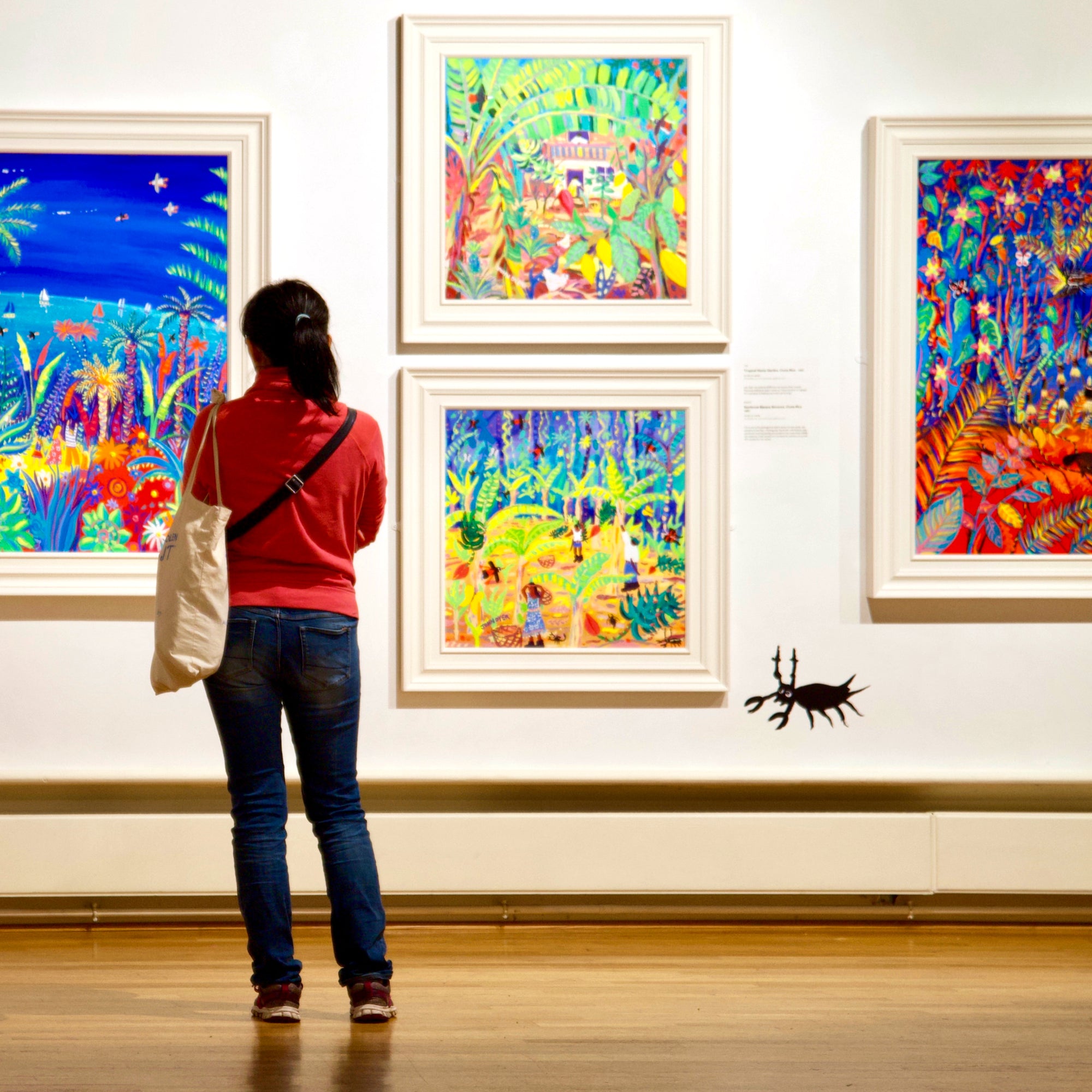
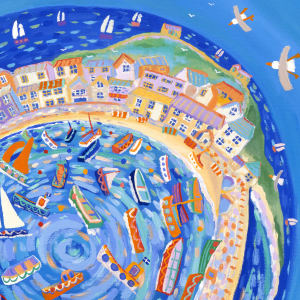
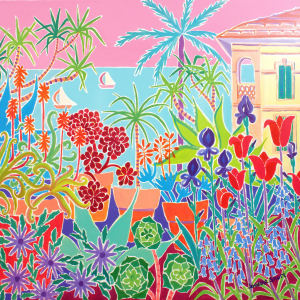




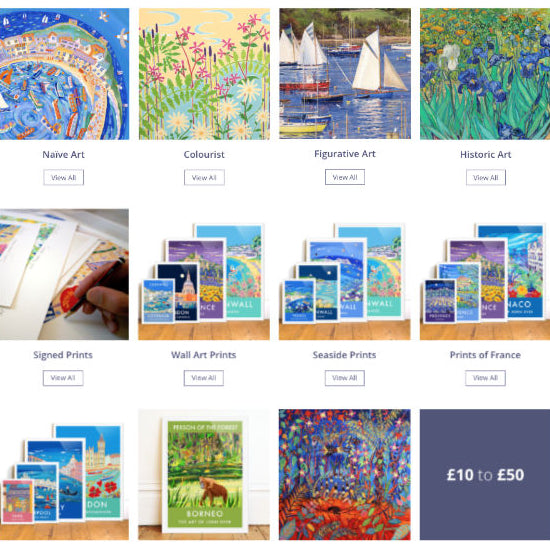
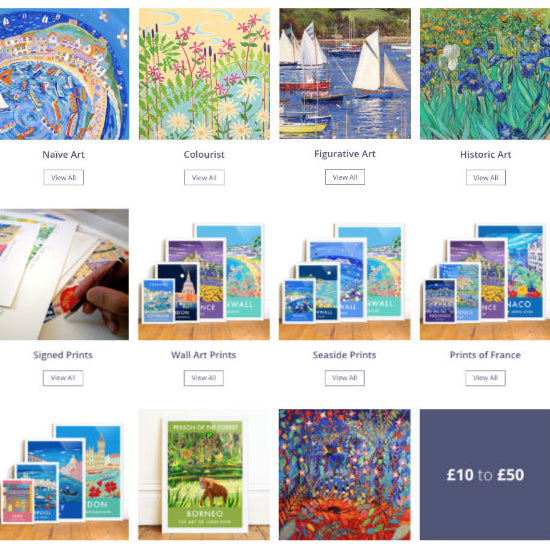







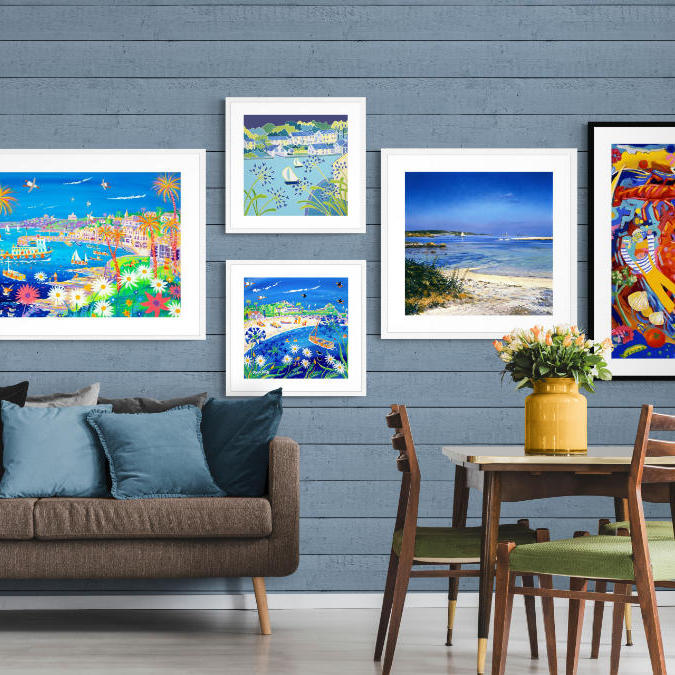
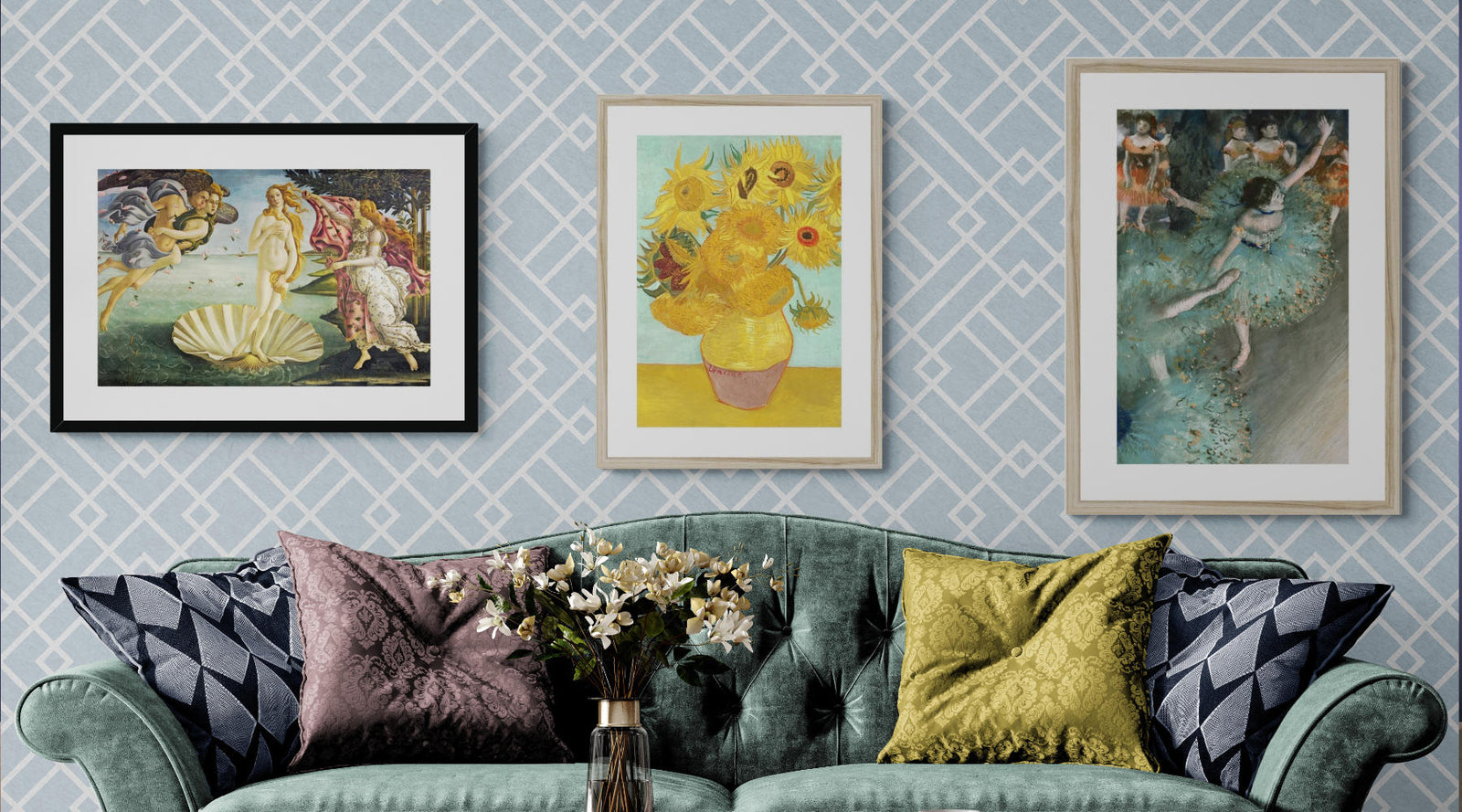

Above: A selection of open-edition museum-quality framed classical art prints that are available to buy online from JohnDyerGallery.com
At the John Dyer Gallery, we celebrate a broader tradition of classical artwork. Our museum-quality prints span the Baroque, the Dutch Golden Age, Neoclassicism, Romanticism, Japonisme, Impressionism, Post-Impressionism, Symbolism, Art Nouveau and early modern realism. Understanding each period is essential to appreciating the evolution and influence of classical artwork over time. The influence of ancient literature, including Greek and Roman texts, philosophies, and mythological stories, played a significant role in shaping classical art and its revival movements. This article explores what makes classical art enduring, highlights iconic artists whose work you can collect as open-edition prints from our gallery, and shows how these traditions continue to shape modern creativity, with many artists returning to classical traditions after exploring other movements.

Above: 'Girl with a Pearl Earring', by Johannes Vermeer
Key Takeaways
-
Classical art values realism, proportion, balance and harmony, often with refined palettes and a strong emphasis on composition, resulting in carefully structured works.
-
Masters from the Renaissance to Impressionism and beyond, including Michelangelo, Raphael and Leonardo da Vinci, and later Claude Monet, Gustav Klimt, Katsushika Hokusai and Vincent van Gogh, transformed technique, style, and storytelling for generations.
-
These principles and the influence of classical style still guide contemporary image-making, from painting to photography and film, and remain central to thoughtful collecting.
Introduction to Art History
The story of art history is a journey through the creativity and vision of humanity, stretching from the earliest civilisations to the present day. At its heart lies classical art, a tradition that has shaped the world’s understanding of beauty, harmony, and realism for centuries. Classical art is renowned for its pursuit of proportion, balance, and lifelike representation, setting a standard that has influenced artists and inspired countless masterpieces across different periods and cultures.
By studying art history, we not only discover the evolution of artistic styles and techniques, but also gain insight into the societies and people who created these remarkable artworks. Each painting, sculpture, and image is a window into the values, beliefs, and aspirations of its time. The elegance and timeless appeal of classical art continue to captivate viewers, offering inspiration and a sense of connection to the past.

Above: 'The Great Wave off Kanagawa' by Katsushika Hokusai
Today, the use of digital collections and online galleries has revolutionised how we access and appreciate art. With just a few clicks, people around the world can view high-quality images of iconic works, explore curated collections, and learn from a wealth of scholarly sources. This global accessibility ensures that the influence of classical art endures, allowing new generations to discover its beauty and significance. Whether through museum visits, books, or online resources, the study of art history remains a vibrant field, inviting everyone to experience the enduring power and elegance of classical masterpieces.
The Essence of Classical Art

Above: 'Birth of Venus' by Sandro Botticelli open edition print
Classical art exemplifies the pursuit of realism. Artists study light, anatomy and perspective to describe the human figure and the natural world, with nature as a central theme, with conviction. Classical artists take a realistic approach, focusing on true-to-life representation. Proportion, balance and harmony are hallmarks of the tradition, seen in clear compositions, poised gestures and an overall sense of order, with a restrained style that emphasises harmony and balance over drama.
-
Contrapposto shifts weight to one leg, enlivening still figures.
-
Underpainting sets drawing and tone before colour.
-
Glazing and scumbling create optical depth and texture.
Iconic Artists and Their Influence

Above: Mona Lisa by Leonardo Da Vinci, open edition print
Renaissance innovators such as Michelangelo, Raphael and Leonardo da Vinci established the language of anatomy, perspective and atmospheric painting. Throughout their careers, these artists achieved significant milestones, including major commissions, influential works, and international recognition that shaped the course of art history. Their legacy travels forward through many movements represented in our collection.

Above: Jan van Huysum Fine Art Open Edition Art Print. 'Still Life with Flowers'
Explore the Dutch and Flemish schools through floral still life by Ambrosius Bosschaert, Jan Davidsz de Heem, Jan van Huysum and Maria van Oosterwijck, the elegance of the noted Johannes Vermeer, and the Baroque drama of Peter Paul Rubens. These artists painted intricate still lifes, interiors, and dramatic scenes, demonstrating masterful technique and attention to detail. Discover the poetic realism of the noted Leonardo da Vinci in dialogue with later masters of light.

Above: Gustav Klimt Open Edition Art Print. 'The Kiss'
Follow the rise of modern painting with noted artists such as Édouard Manet, Edgar Degas, Claude Monet, Pierre-Auguste Renoir, Camille Pissarro, Paul Cézanne, Paul Gauguin and Vincent van Gogh. These painters painted iconic scenes, landscapes, and portraits that defined Impressionism and Post-Impressionism. See Japonisme and print culture through Hokusai, luminous pattern in Klimt, and colour-rich dream worlds with Raoul Dufy.
In Britain and America, explore the breadth from John Singer Sargent, Edward Hopper, Winslow Homer and Georges Seurat to Pre-Raphaelite storytelling with John William Waterhouse and lyrical travel posters by Roger Broders. For Cornwall, our selection connects international art history to place through Henry Scott Tuke, Harold Harvey and Alfred Wallis.
Famous Paintings and Their Stories
Delacroix’s “Liberty Leading the People” symbolises the energy of revolution. Leonardo’s “Mona Lisa” explores psychology and light, and has been exhibited at the Louvre, where it continues to attract millions of visitors. Botticelli’s “The Birth of Venus” considers beauty and myth, while Michelangelo’s “The Creation of Adam” distils the meeting of the human and the divine.

Above: 'Water Lilies and Japanese Bridge' by Claude Monet
Related masterpieces in our print selection include Monet’s gardens, Manet’s modern life, Klimt’s shimmering pattern, Hokusai’s iconic wave and Van Gogh’s expressive colour. Collectors can also enjoy floral virtuosity by Jan van Huysumand poetic narratives from Waterhouse.
Preservation and Appreciation
Preserving classical artworks is essential to maintaining the legacy and inspiration they offer to the world. Over the centuries, dedicated artists, conservators, and institutions have developed techniques to safeguard paintings, sculptures, and other masterpieces, ensuring that their colour, form, and harmony remain vivid for future generations. From careful restoration of oil paintings to the controlled environments of modern galleries, every effort is made to protect these treasures from the effects of time, light, and environmental changes.
Appreciation of classical art goes hand in hand with preservation. By exhibiting works in museums, creating high-quality canvas prints, and sharing images through posters and digital platforms, galleries make it possible for people everywhere to experience the elegance and drama of these timeless scenes. The regular price of a museum-quality print is a small investment compared to the inspiration and beauty it brings into daily life, allowing collectors and enthusiasts to return to the world of classicism whenever they wish.
Modern technology has also expanded the ways in which art can be enjoyed and studied. Online collections and websites provide access to detailed images and expert commentary, making it easier than ever to view and learn about masterpieces from Paris, Rome, and beyond. This accessibility not only supports teaching and scholarship, but also encourages a broader appreciation of the influence and realism that define classical art. By valuing both the preservation and appreciation of these works, we ensure that their timeless elegance continues to shape and inspire the world for centuries to come.
Collecting Classical Art: Art Prints

Above: Second Story Sunlight by Edward Hopper
Collecting classical art prints allows you to live with the ideas and beauty of the past in an accessible way. Our museum-quality open-edition prints are expertly prepared, true to the original artworks and can last over a century in ideal conditions. Choose across movements and geographies, from Botticelli and Boudin to Cézanne, Degas, Manet, Monet, Renoir and Pissarro, through Gauguin, Redon, Rousseau and Klimt, to British and American masters like Sargent, Hopper, Homer and Georgia O’Keeffe. For Cornwall, consider Henry Scott Tuke, Harold Harvey and Alfred Wallis.
Summary

Above: a page from Johndyergallery.com showing a selection of the numerous classic artists whose prints we have available as open editions
Classical art endures through beauty, balance and clear design, from ancient ideals and Renaissance innovation to modern movements that continue to guide artists and collectors. Our curated selection allows you to explore these traditions at home, with museum-quality prints across the great schools of European, British, American and Japanese art.
Frequently Asked Questions
What defines classical artwork?
Classical artwork is characterized by its emphasis on realism, proportion, balance, and harmony. It often draws inspiration from ancient Greek and Roman cultures, focusing on lifelike representation and clear composition.
Which periods are included under classical art?
Classical art encompasses a broad range of periods including the Renaissance, Baroque, Dutch Golden Age, Neoclassicism, Romanticism, and early modern realism, among others.
Who are some iconic classical artists?
Notable classical artists include Michelangelo, Leonardo da Vinci, Raphael, Johannes Vermeer, Claude Monet, Gustav Klimt, and Vincent van Gogh, among many others.
How can I appreciate classical artwork today?
You can appreciate classical artwork by visiting museums, exploring online galleries, studying art history, or collecting high-quality canvas prints and posters that replicate timeless masterpieces.
What makes classical art timeless?
Its timelessness stems from the pursuit of harmony, balance, and realistic portrayal of life and nature, combined with the influence of ancient literature and philosophies that continue to inspire artists and viewers alike.
How are classical artworks preserved?
Preservation involves careful restoration, controlled environments in galleries, and modern conservation techniques to protect paintings, sculptures, and other artworks from deterioration over time.
Can I collect classical art prints?
Yes, many galleries like JohnDyerGallery.com offer museum-quality open-edition prints of classical artworks, allowing collectors to enjoy and live with these masterpieces in their own homes.