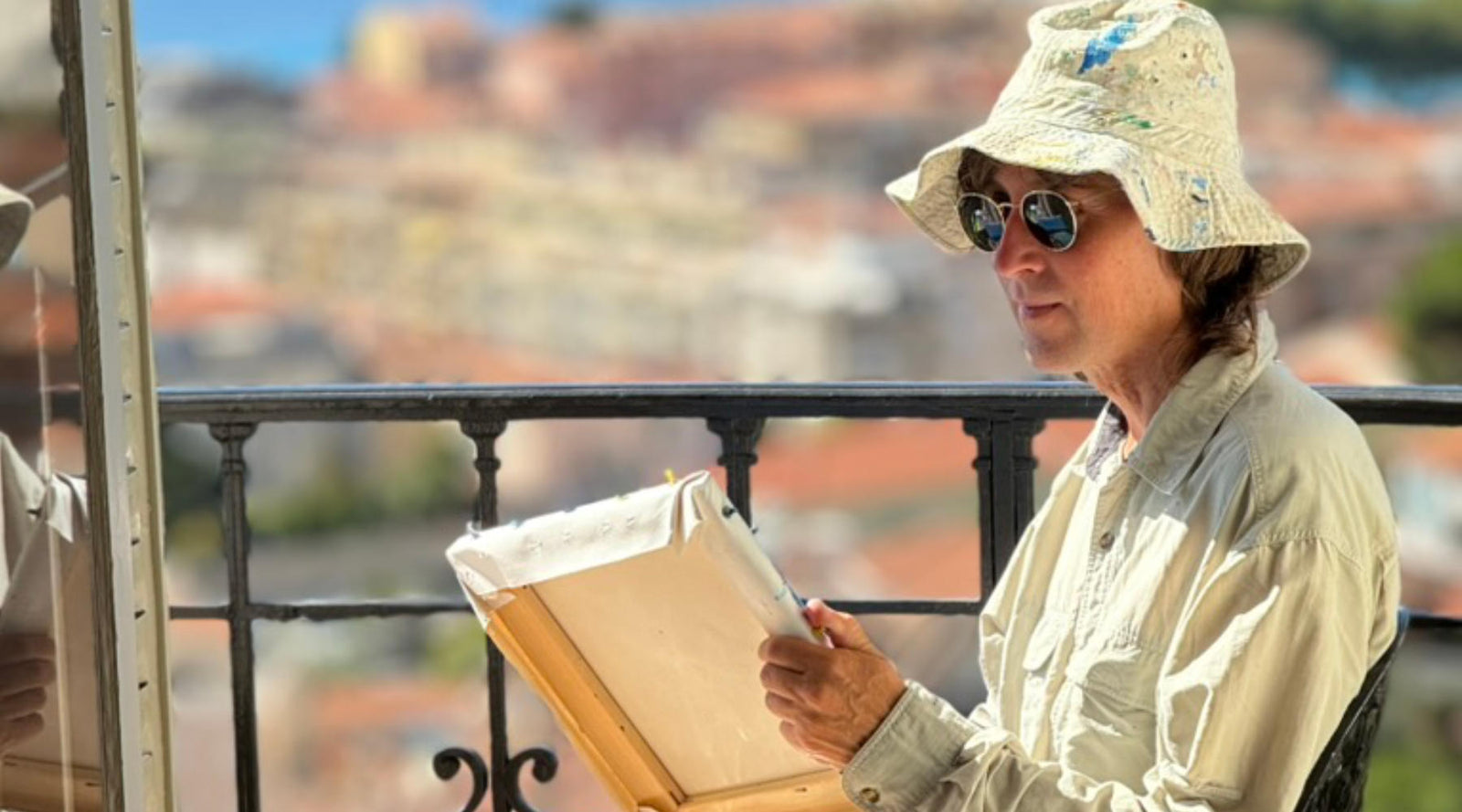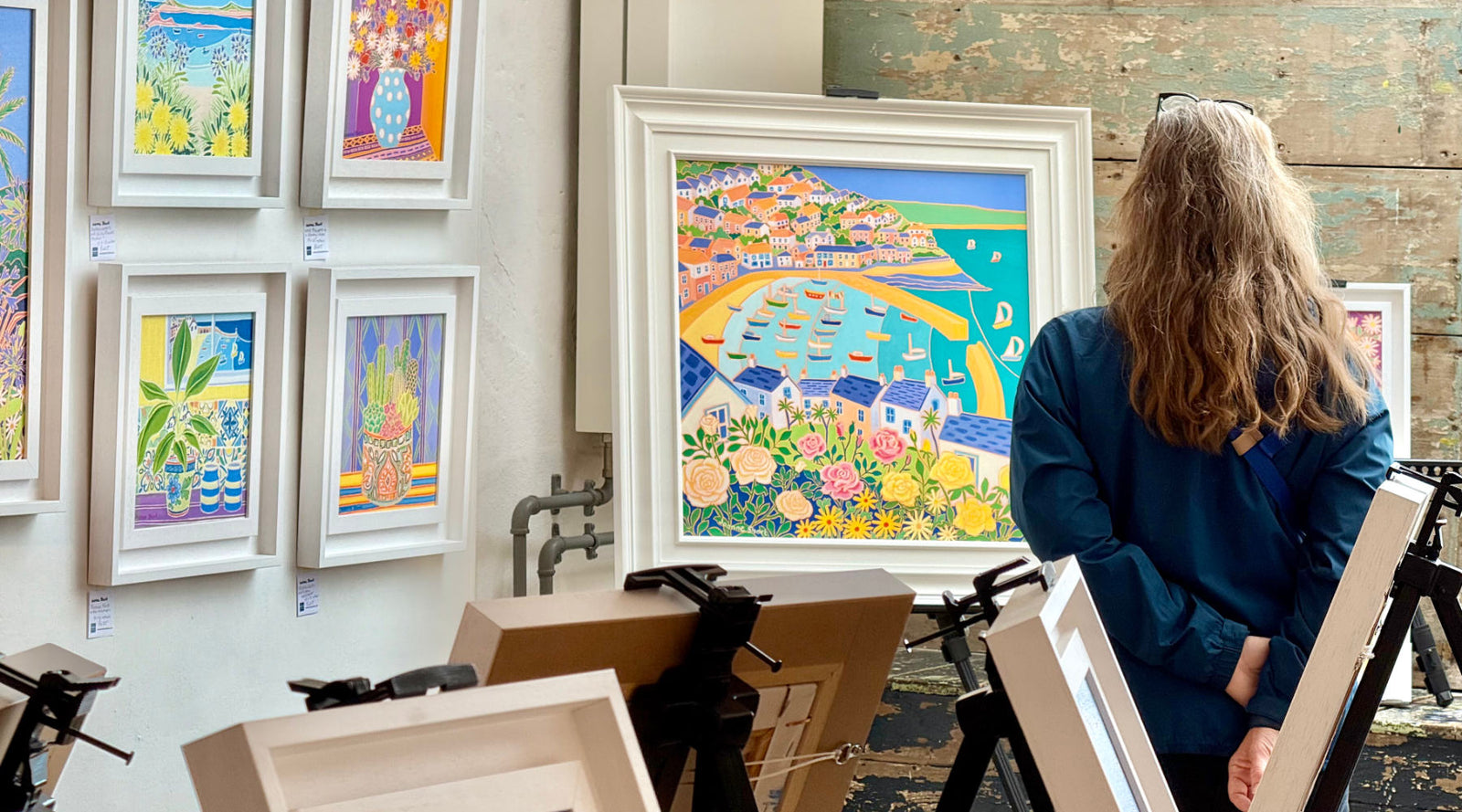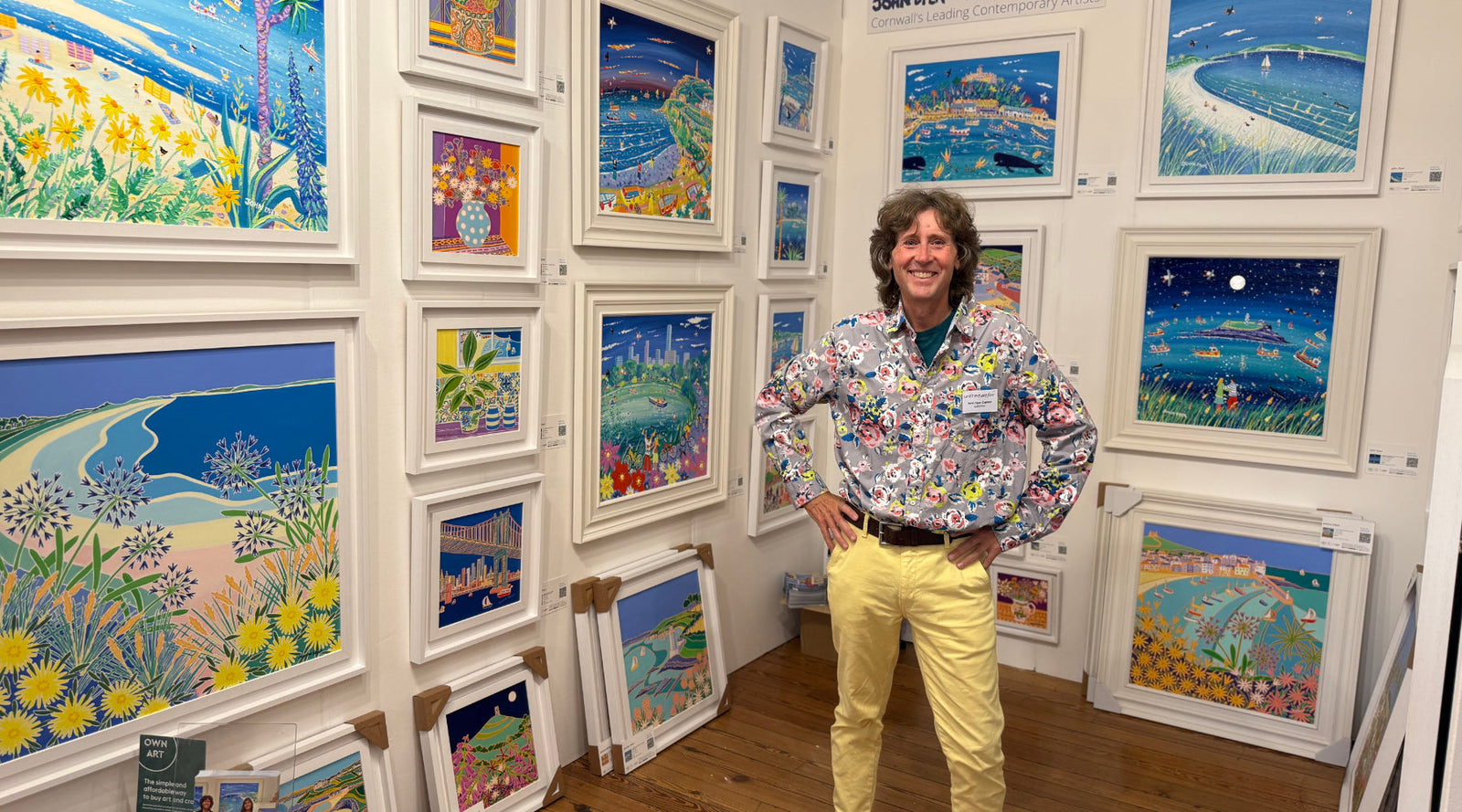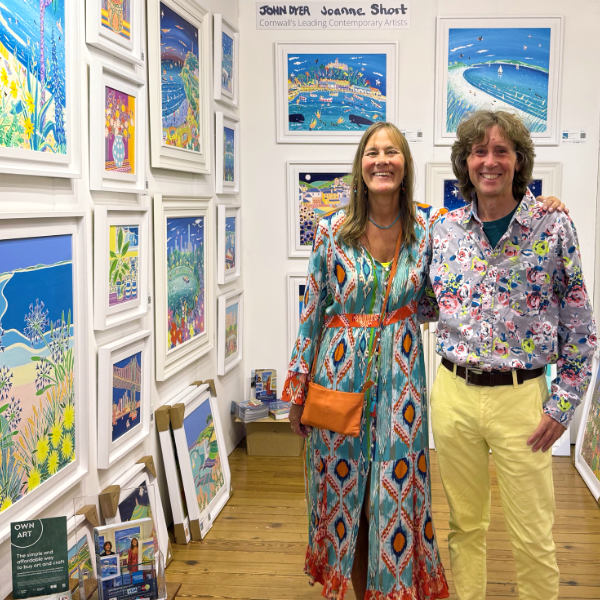







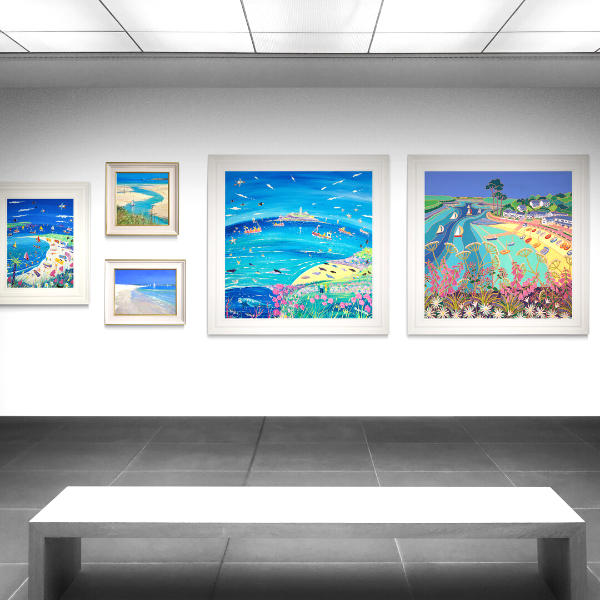
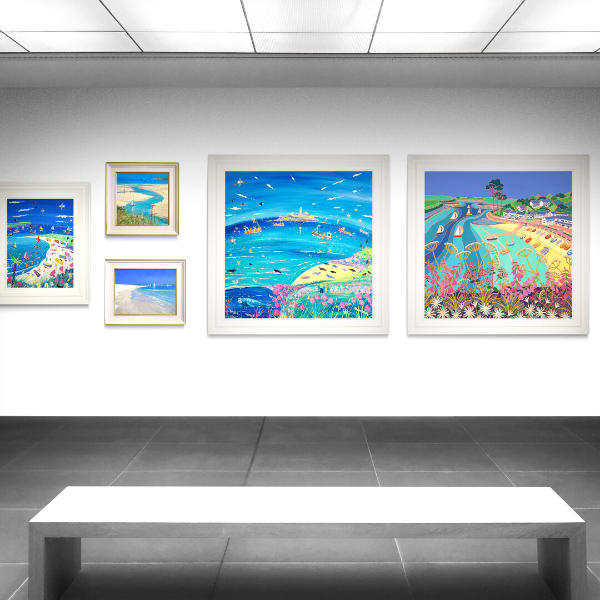




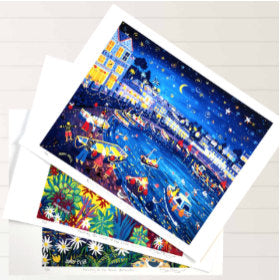
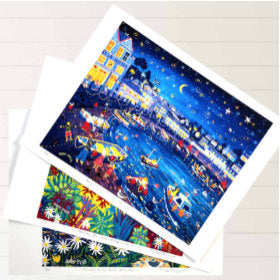
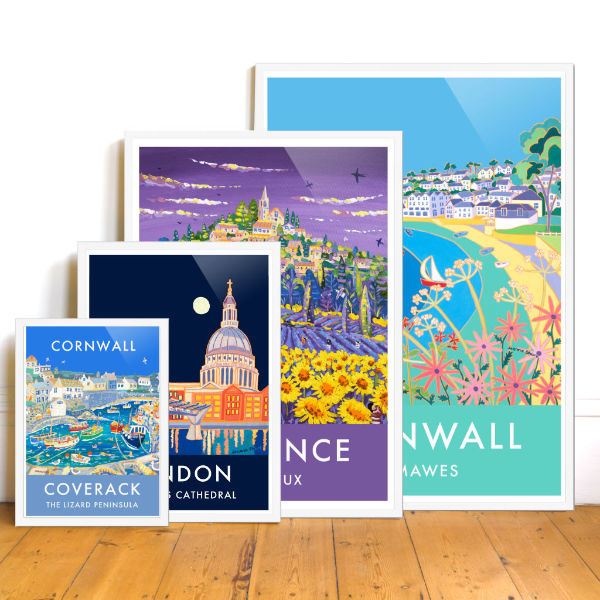

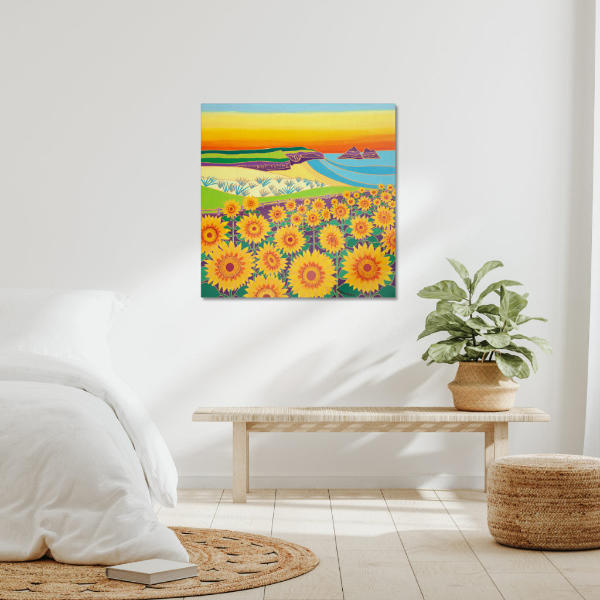
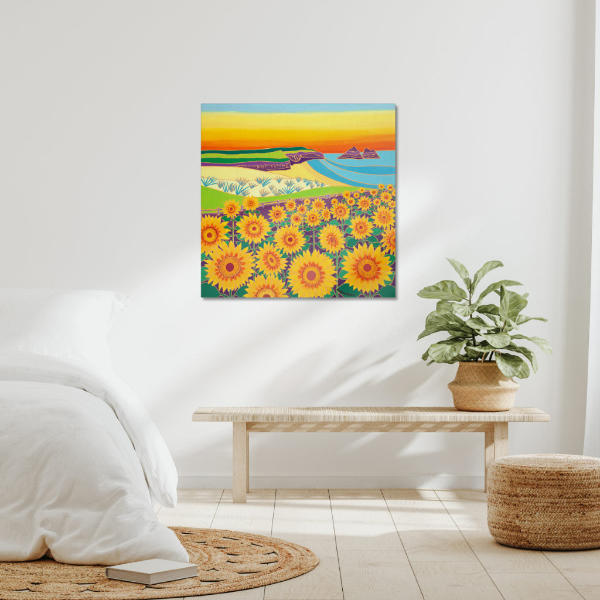



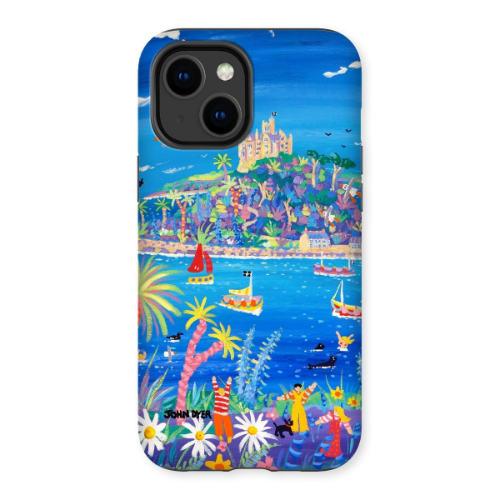





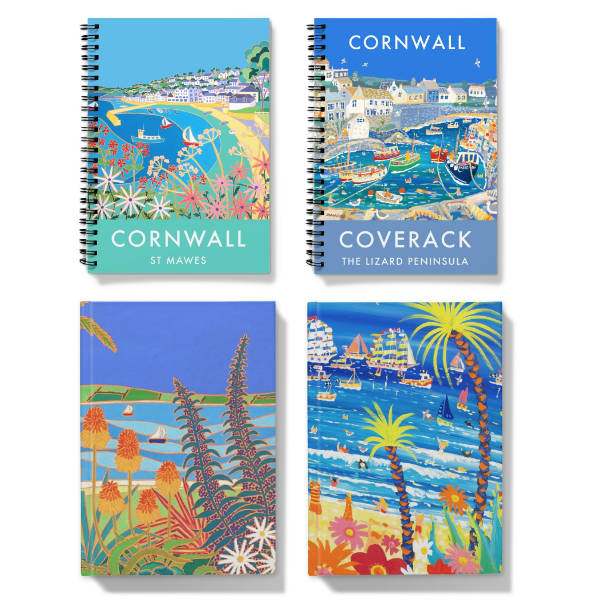
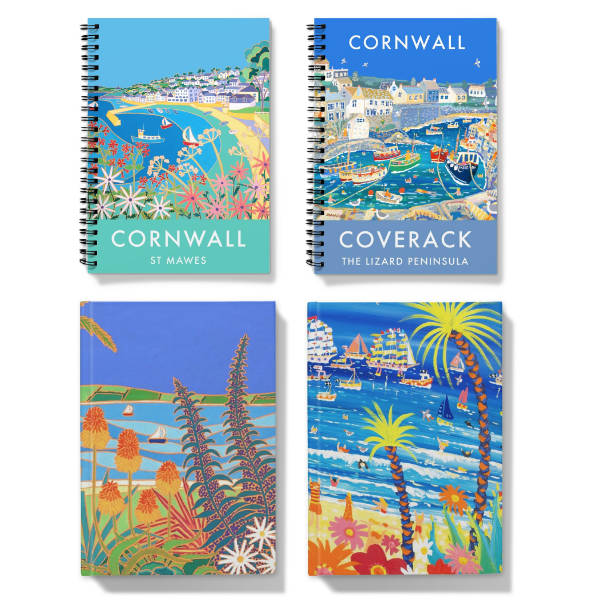
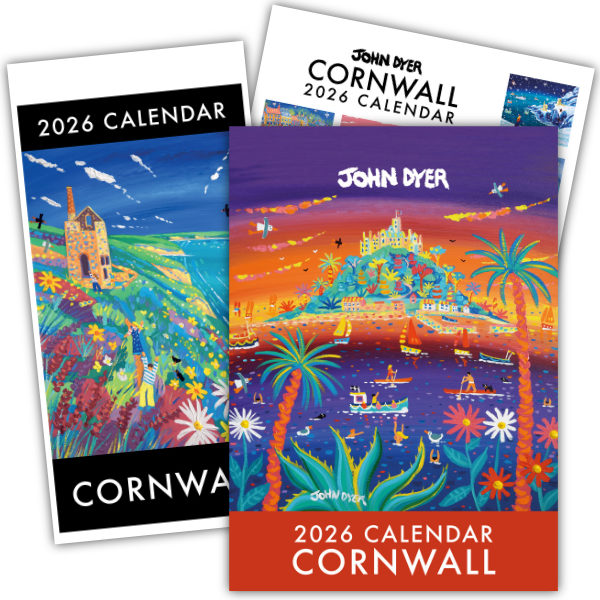




















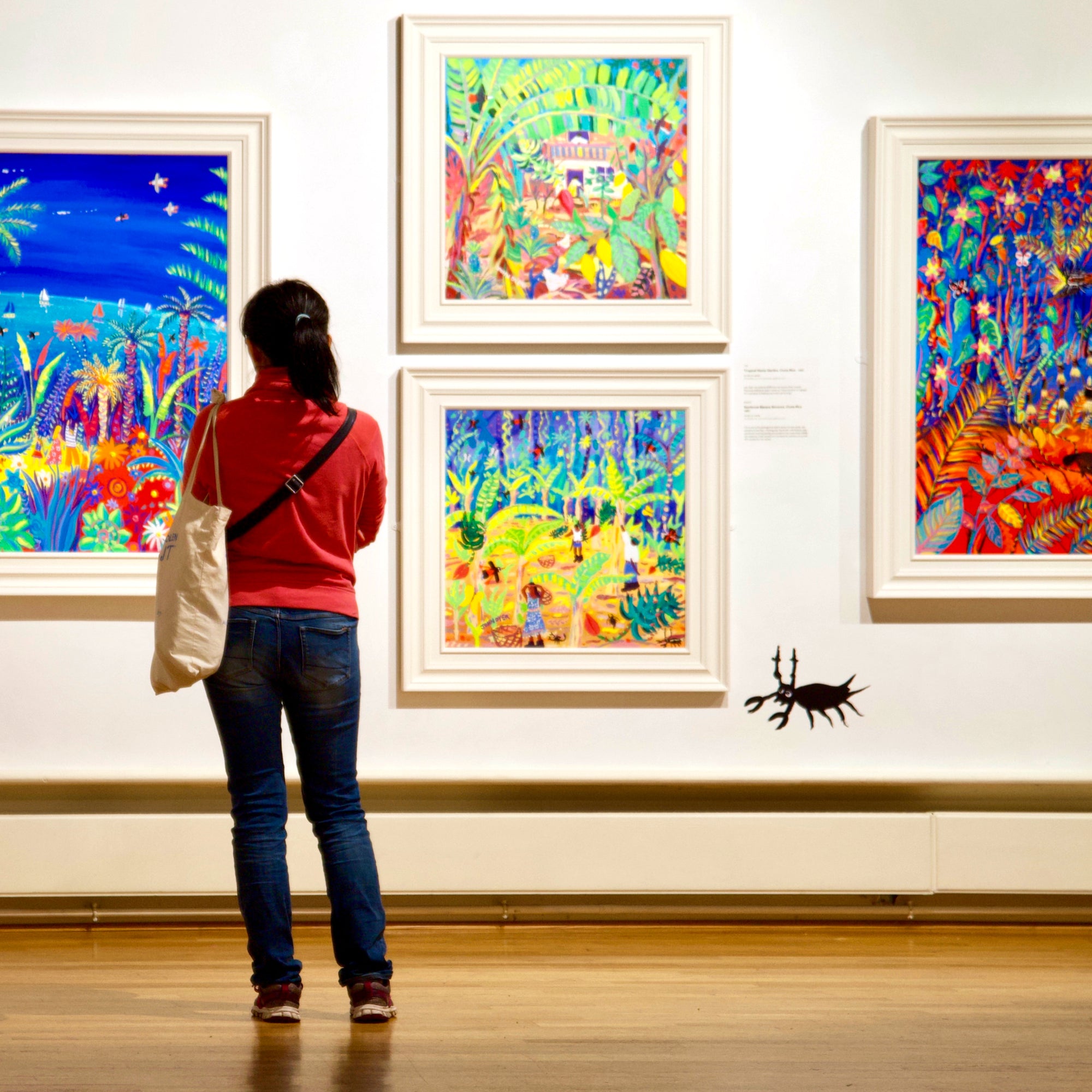







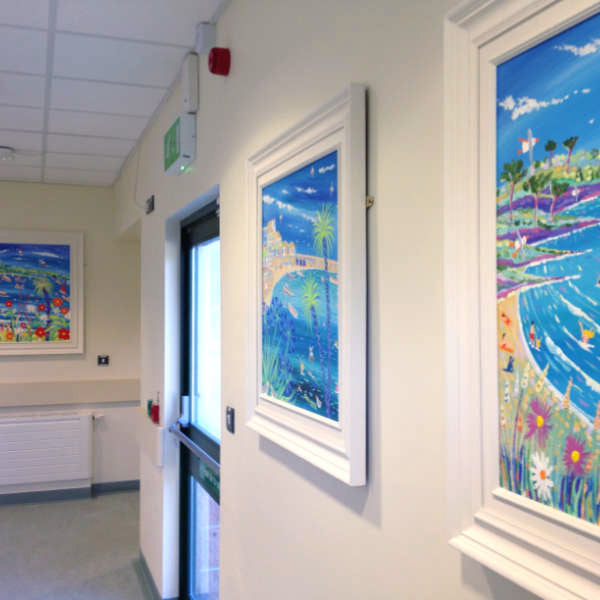
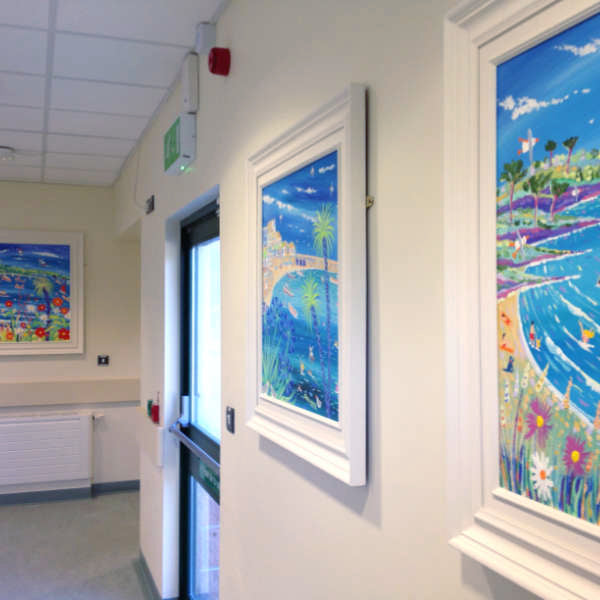
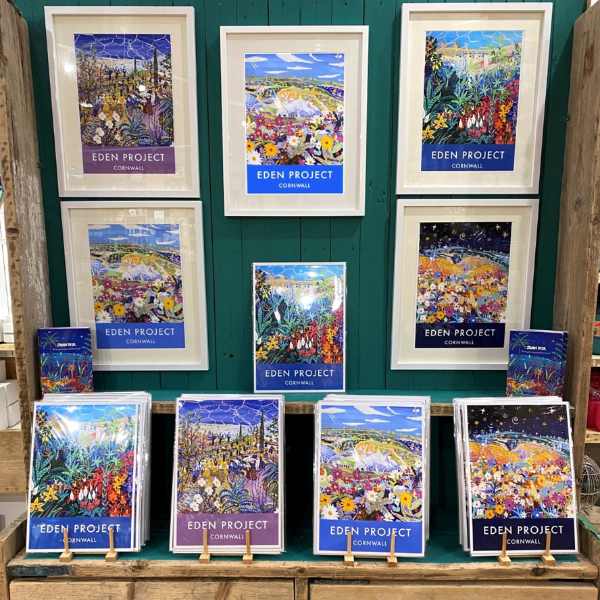
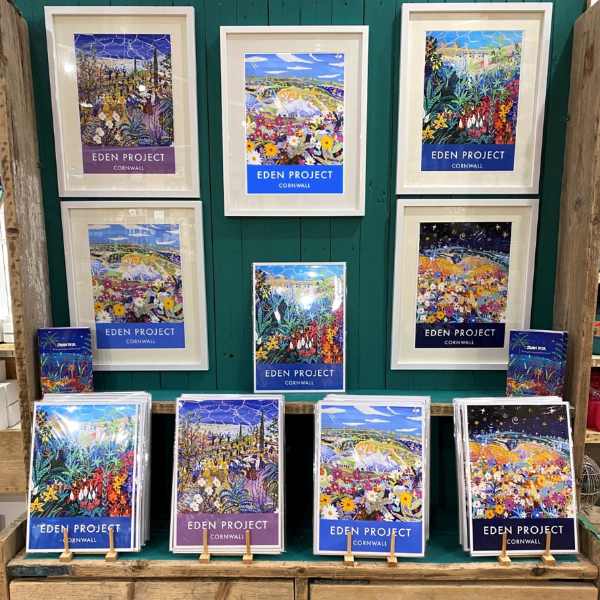


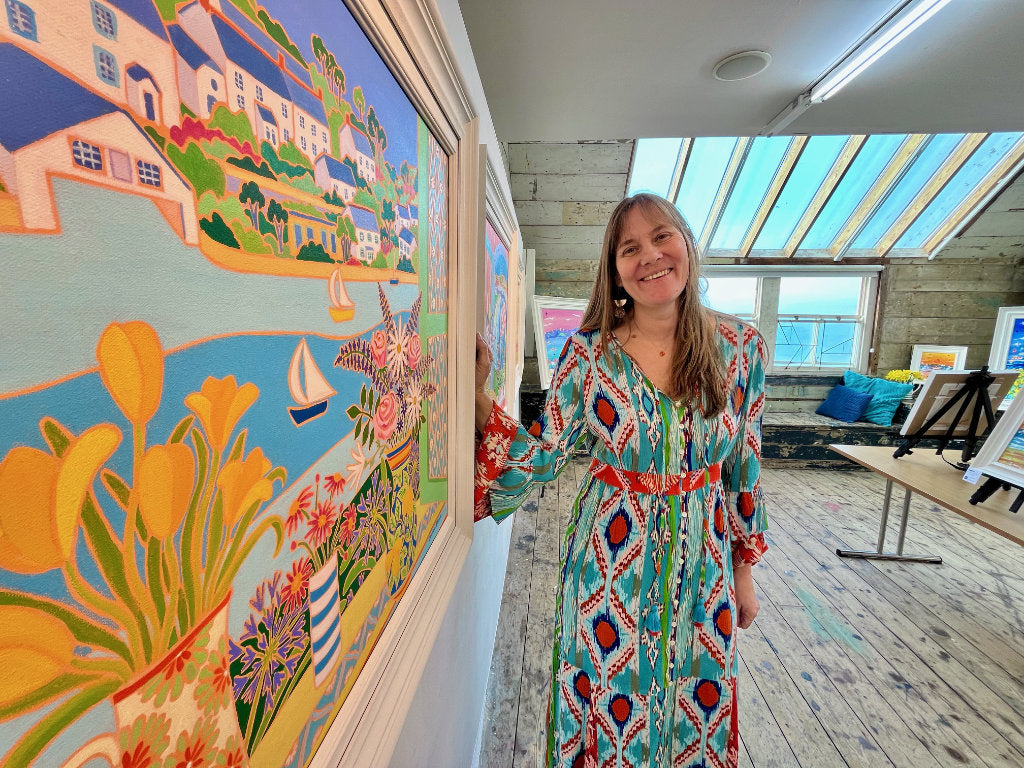

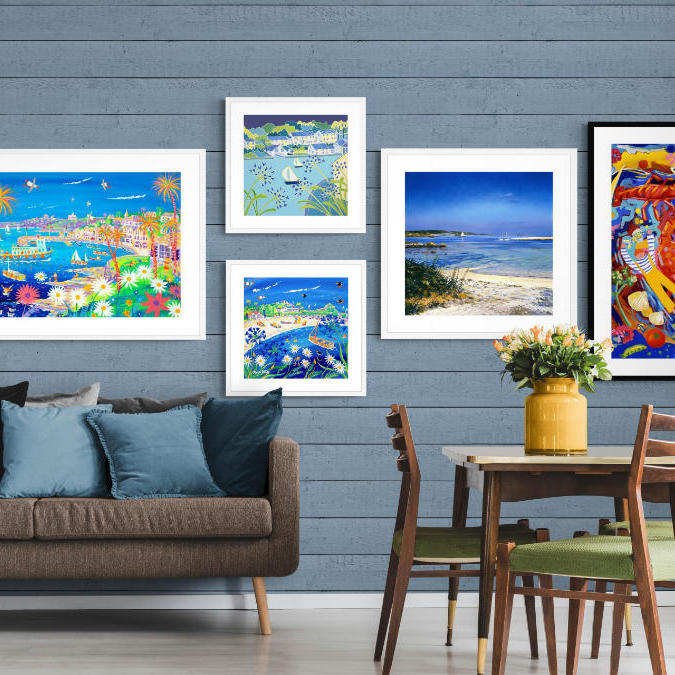
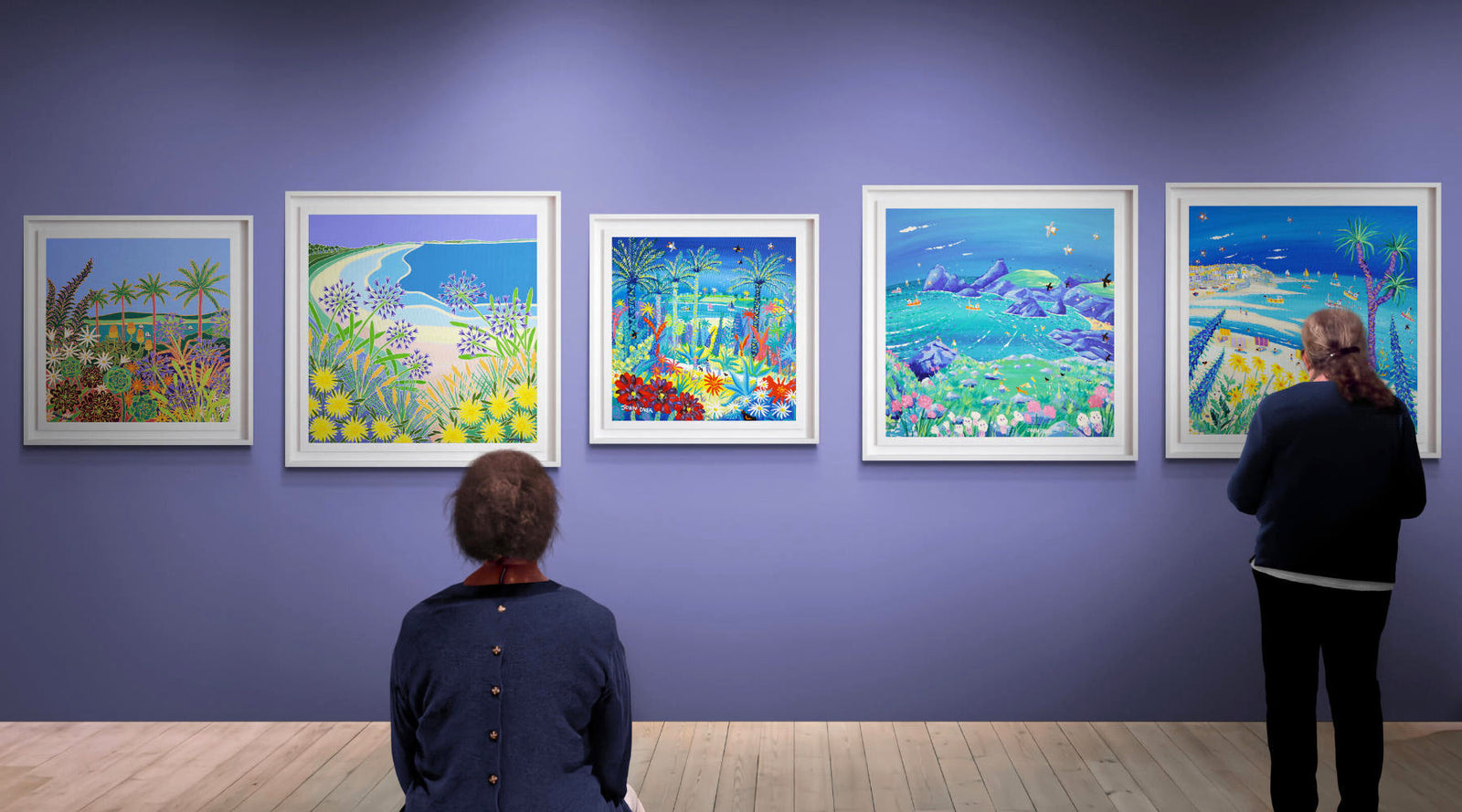

Above: A collection of Joanne Short and John Dyer original fine art paintings displayed in a gallery setting.
Imagine walking into your living room and being greeted each day by a painting that lifts your spirit and connects you to Cornwall’s unique light and landscape. At The John Dyer Gallery, we celebrate this connection through our family-run expertise and carefully curated collections that bring Cornwall and beyond into your home.
Fine artwork represents far more than mere decoration—it embodies cultural heritage, creativity, artistic expression, and often, sound financial investment. In today’s thriving art market, understanding how to navigate the world of original paintings, sculptures, and quality prints can transform both your living space and your portfolio. Whether you’re an emerging collector or an experienced art lover seeking to expand your knowledge, this comprehensive guide will help you discover the perfect piece whilst making informed decisions about authenticity, value, and care.
Buy Fine Artwork Paintings Online
What is Fine Artwork?

Above Classic fine artwork exemplifying originality and craftsmanship, Oil painting 'Wild Irises and Sailing Boats at St Mawes', by Cornish artist Ted Dyer
Fine artwork encompasses original paintings, sculptures, prints, and drawings created by skilled artists with the primary intention of aesthetic and intellectual engagement rather than practical function. This distinction separates fine art from commercial or decorative pieces and illustrations, positioning it as “art for art’s sake”—works valued for their intrinsic beauty, technical mastery, and expressive power.
The concept traces its roots to the Renaissance, when visual arts gained recognition alongside architecture, music, and poetry as intellectually significant disciplines. Today’s fine artwork includes pieces from established movements like Impressionism, Post-Impressionism, and Contemporary art, each contributing unique philosophies regarding technique, subject matter, and artistic purpose.
What distinguishes fine artwork from mass-produced decorative items is its focus on originality, craftsmanship, and cultural significance. These works are typically created as unique pieces or limited editions, often maintaining their relevance and value across generations. The artist’s vision, technical skill, and ability to evoke emotion or provoke thought remain central to a work’s classification as fine art, with the chosen image often serving as the foundational inspiration or subject that shapes the emotional impact and meaning of the piece.
Contemporary fine artwork also embraces new media and techniques, including archival-quality digital prints and mixed-media sculptures. This evolution reflects the art world’s ongoing dialogue between traditional methods and innovative approaches, ensuring fine art remains dynamic and relevant to modern collectors.
Types of Fine Artwork Available Today
The diverse range of fine artwork available to collectors today spans traditional and contemporary mediums, each offering unique aesthetic qualities and investment potential. Understanding these categories helps collectors make informed decisions about building their personal collections.
Original Paintings

Above: Original oil paintings by John Dyer capturing vibrant colours and intricate details.
Original oil paintings on canvas and panel by contemporary masters represent the pinnacle of fine artwork collecting. Oil paintings, prized for their depth of colour and longevity, require careful handling due to their sensitivity to environmental changes. These works often appreciate significantly in value, particularly when created by artists with strong exhibition histories and critical recognition.
Watercolour and acrylic paintings featuring landscapes, portraits, summer scenes, and abstract compositions offer collectors more accessible entry points whilst maintaining artistic integrity.
The John Dyer Gallery specialises in vibrant Cornish landscapes, summer-themed paintings, and cultural scenes by celebrated contemporary artists John Dyer and Joanne Short, whose works capture the unique light and character of Cornwall’s coastal environment.
Fine Art Prints

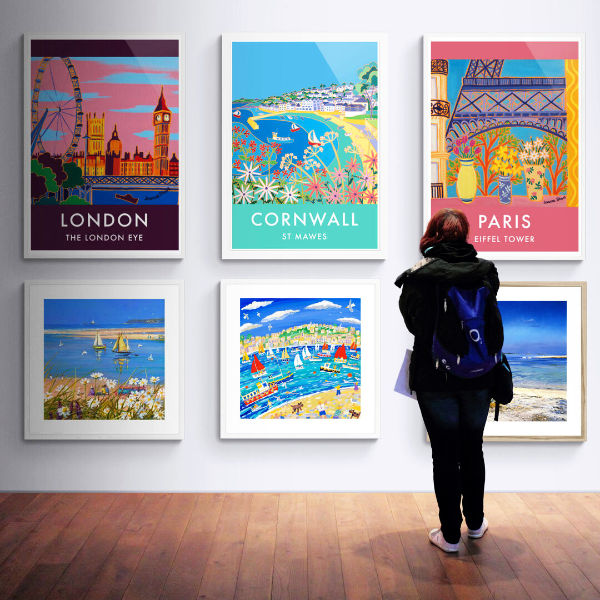
Caption: Open edition fine art prints produced with archival-quality materials.
Open edition prints sourced from prestigious museums and galleries provide collectors with access to iconic works at more accessible price points. These prints, often produced using museum-quality giclée printing processes with archival inks and papers, maintain their colour and quality for generations when properly cared for.
John Dyer Gallery offers an exceptional selection of open-edition fine art prints from collections including the Metropolitan Museum and Tate Gallery, featuring works by renowned historical artists. These reproductions allow art lovers to own museum-quality pieces that complement their existing collections whilst supporting ongoing cultural preservation efforts.
Sculptures and Mixed Media

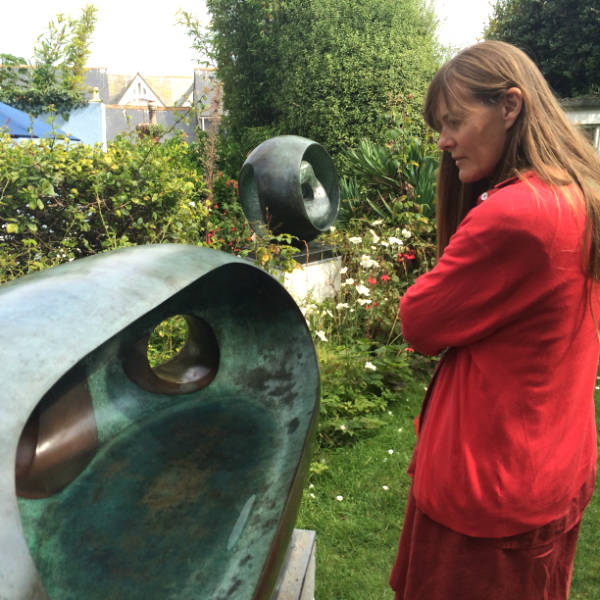
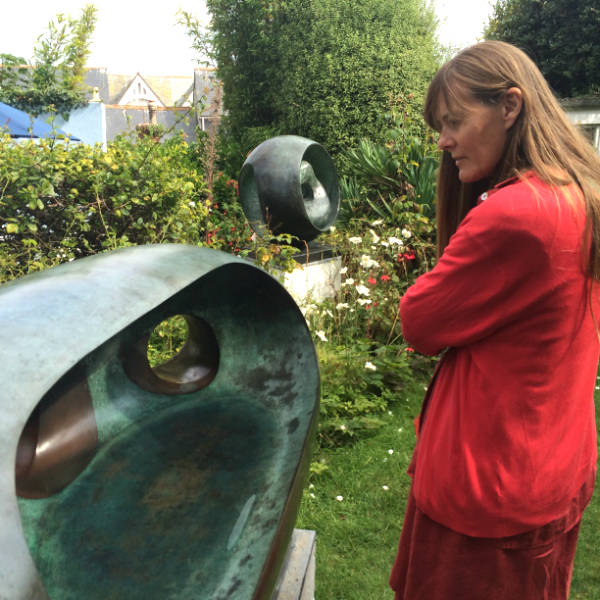
Above: Artist John Dyer pictured next to a Barbara Hepworth sculpture combining traditional and modern techniques in St Ives in Cornwall.
Sculptures in bronze, marble, and mixed media from renowned artists bring three-dimensional artistry into collectors’ spaces. Bronze sculptures offer durability and traditional appeal, whilst contemporary mixed-media works reflect current artistic innovation. These pieces often serve as focal points in interior design, creating dynamic conversations between form, space, and light.
Regional artists featured at galleries like The New Craftsman in St Ives and Gallery Tresco contribute sculptures that reflect local culture and craftsmanship, offering collectors opportunities to support emerging artists whilst acquiring pieces with geographical and cultural significance.
Where to Buy Authentic Fine Artwork

Above: Established online galleries like The John Dyer Gallery providing authentic fine artwork and expert guidance.
Established Online Galleries
Established online galleries like John Dyer Gallery, with over 35 years of family-run expertise, represent the gold standard for fine artwork acquisition. These galleries provide comprehensive artist biographies, detailed provenance documentation, and ongoing customer support that extends well beyond the initial purchase.
The gallery’s extensive online art exhibitions, including decorative art for home offices, showcase works across multiple genres and price points, making quality fine artwork accessible to collectors regardless of location. Their commitment to authenticity and customer satisfaction has earned industry-leading testimonials from collectors worldwide.
Evaluating Gallery Credibility
When selecting galleries for fine artwork purchases, several factors indicate credibility and professionalism. Established galleries typically offer:
-
Comprehensive artist biographies and exhibition histories
-
Detailed provenance documentation for all works
-
Professional photography and accurate colour representation
-
Clear pricing and condition reports
-
Responsive customer service and expert consultation
The John Dyer Gallery exemplifies these standards through their detailed artist profiles featuring Cornish artists and comprehensive customer testimonials. Their transparent approach to pricing and condition reporting ensures collectors can purchase with confidence, knowing they’re acquiring authentic works with proper documentation.
Customer testimonials consistently highlight the gallery’s attention to detail, from initial consultation through delivery and after-sales support. This level of service distinguishes reputable galleries from less established dealers and provides collectors with ongoing relationships that enhance their collecting experience.
Authentication and Provenance
Understanding Authenticity
For any art lover or collector, ensuring the authenticity of a historical fine art piece is absolutely essential. When you purchase original art or fine art prints from a reputable art gallery, you’re not just acquiring a beautiful artwork—you’re investing in its quality, history, and value. Authenticity guarantees that the piece you’re adding to your collection is a genuine creation by the artist, not a reproduction or imitation.
A trusted gallery will always provide detailed documentation and a certificate of authenticity with a purchase if requested, giving you confidence in your investment. The chief curator plays a pivotal role in this process, using their expertise to examine each artwork, verify its origins, and confirm its legitimacy. This careful authentication process ensures that every piece, whether it’s a striking painting or a limited edition print, meets the highest standards of quality and provenance. By prioritising authenticity, collectors can make informed decisions, secure in the knowledge that their perfect piece is a true work of art.
Tracing Artwork History
Understanding the provenance—or history—of an artwork is a key factor in establishing its authenticity and value. A reputable art gallery will maintain comprehensive records of each piece’s journey, including previous owners, exhibitions, and sales. This transparent documentation not only verifies the artwork’s origins but also highlights its significance within the art world.
For collectors, access to a clear provenance provides assurance that their chosen piece is both authentic and meaningful. This is especially important when acquiring works by emerging artists, as a well-documented history can enhance the reputation and future value of their art. Galleries that represent a diverse range of popular artists and styles make it easier for collectors to discover unique pieces with rich backstories. By working with established galleries, you gain access to a world of artworks whose histories are as compelling as their visual appeal, ensuring every addition to your collection is a piece with a story worth sharing.
Investment Value and Market Trends
Pricing Structure and Market Position
The British art market, worth over £9 billion annually, offers substantial opportunities for collectors seeking both aesthetic enjoyment and financial returns. Many fine artworks are available for sale through reputable galleries and online platforms, making it easier than ever to purchase art online. Understanding current market trends and pricing structures helps collectors make strategic decisions about their acquisitions.

Above: 'Spider Plant on a Patterned Cloth', 18x18 inches oil on canvas. Painting by Cornish Artist Joanne Short£950.00
Original works typically range from £700 to £1,500 for emerging artists, with established names commanding significantly higher prices based on their exhibition history, critical reception, and market demand. British landscape paintings, particularly those featuring coastal and countryside themes, remain highly collectible in both domestic and international markets.

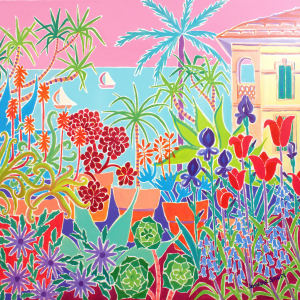
Above: Signed Limited Edition Print. 'An Explosion of Colour, Tresco Abbey Garden'. By Cornish Artist Joanne Short
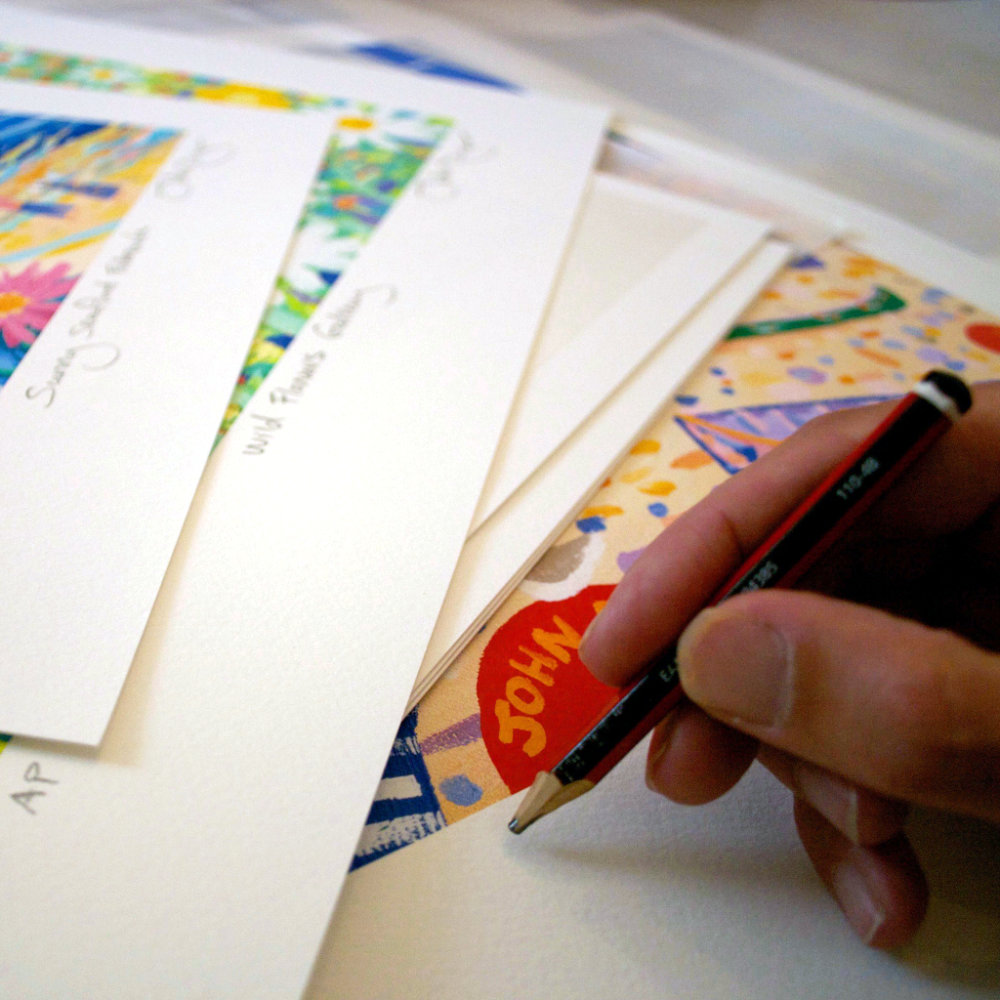
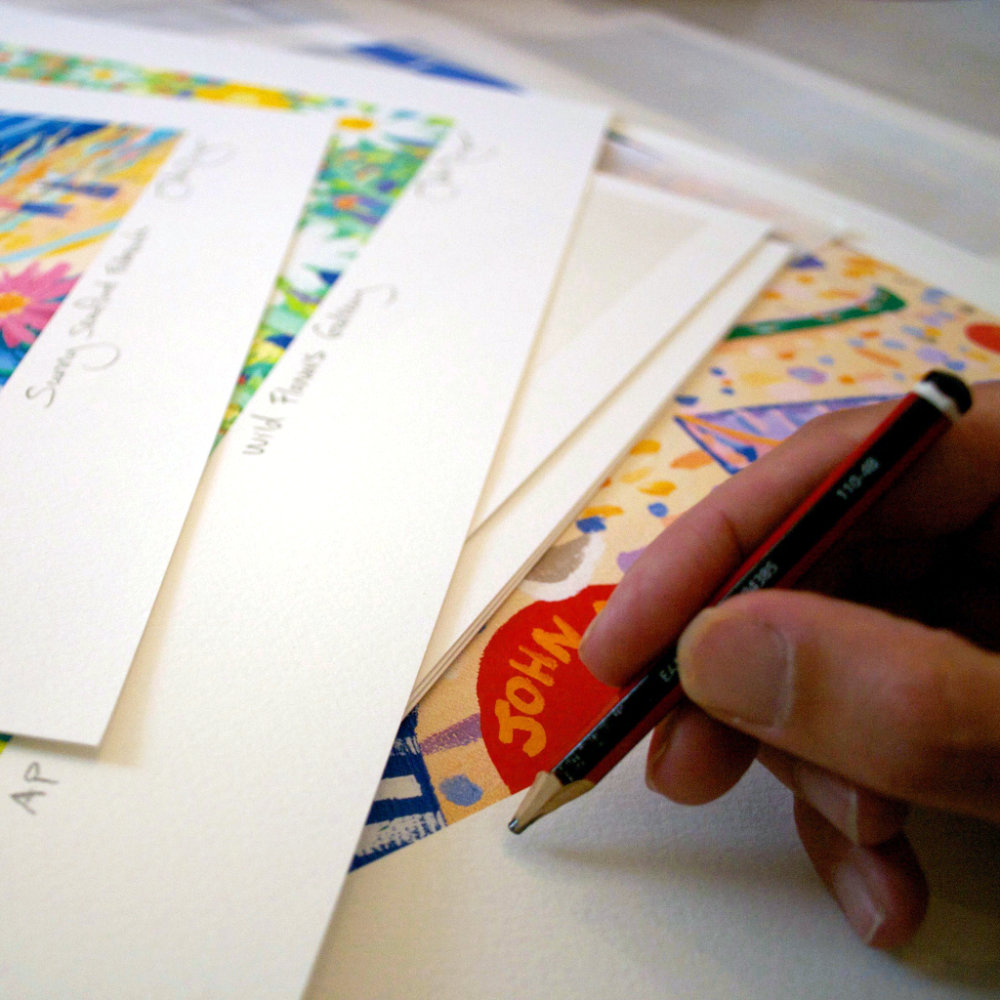
Limited edition prints provide affordable alternatives, starting from £90 and reaching up to £1,000 or more depending on the artist’s reputation, edition size, and printing quality. These pieces offer excellent entry points for new collectors whilst maintaining potential for appreciation as artists’ careers develop.
The gallery’s focus on contemporary Cornish artists positions collectors to benefit from the growing recognition of regional artistic movements. As these artists gain broader exposure through exhibitions and critical acclaim, early collectors often see significant appreciation in their collections’ value.
Market Performance Indicators
Several factors influence fine artwork’s investment performance:
-
Artist exhibition history and museum acquisitions
-
Critical reception and art world recognition
-
Rarity and edition sizes for prints
-
Condition and provenance documentation
-
Market demand for specific themes or styles
Collectors benefit from galleries that provide comprehensive market insights and ongoing artist career updates, ensuring their collections remain well-positioned for future appreciation.
Insurance and Risk Management
Insuring Your Collection
Protecting your fine art collection is an essential part of responsible collecting, whether you’re just beginning your journey or have built an extensive portfolio of artworks. Insuring your collection safeguards your investment against unexpected events such as damage, loss, or theft, allowing you to enjoy your art with peace of mind.
Specialist insurance providers understand the unique requirements of art collectors, offering tailored policies that cover a wide range of risks. These policies often include coverage for artworks in transit, on display, or in storage, and can be customized to suit collections of any size or value. In the UK, Netherlands, and Belgium, collectors have access to reputable insurers who specialize in fine art, ensuring that every work in your collection is protected according to its true worth.
By choosing the right insurance, you can focus on discovering new pieces and enjoying your collection, knowing that your artworks are secure no matter what the future holds. This essential step in risk management allows collectors to fully appreciate the beauty and value of their art, confident that their investment is well protected.
Popular Fine Art Themes and Styles
Landscape and Coastal Themes

Above: British landscape painting reflecting coastal beauty and heritage,'Swimming on the High Tide, Portloe', 18x24 inches acrylic on canvas. Coastal Painting of Cornwall by Cornish Artist John Dyer
Contemporary fine artwork encompasses numerous themes and styles, each appealing to different collector preferences and interior design requirements. Displaying fine artwork on your walls can transform and personalize your space, adding sophistication and character to any room’s decor. Understanding these categories helps collectors identify pieces that resonate personally whilst complementing their living or working spaces.
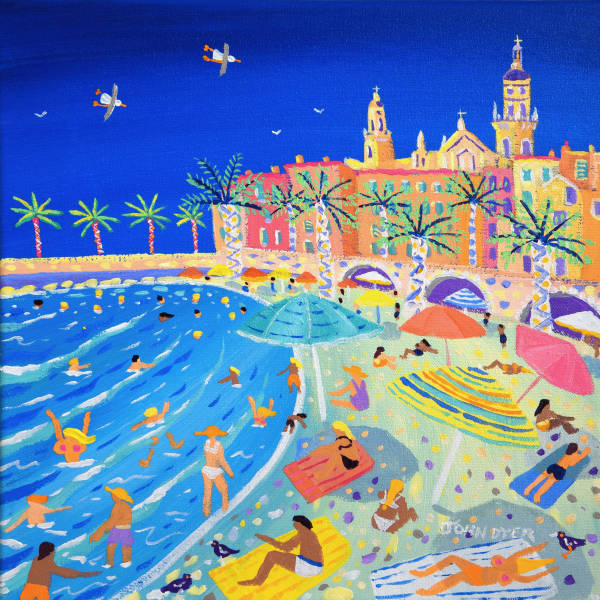
British landscape paintings maintain enduring appeal amongst collectors, particularly works capturing the dramatic coastlines and countryside that define the national character. Cornwall’s unique light and rugged beauty have inspired generations of artists, creating a rich tradition that continues today through contemporary practitioners.
The John Dyer Gallery’s specialisation in Cornish landscapes reflects this tradition whilst embracing contemporary approaches to colour and composition. These works appeal to collectors seeking connections to place and heritage, whether they’re Cornwall residents or admirers of British coastal beauty.
Museum-Quality Historical Reproductions

Above: 'Water Lilies and Japanese Bridge' by Claude Monet. Giverny Garden. Open Edition Fine Art Print. Historic Art
Museum-quality reproductions from Impressionist and Post-Impressionist masters provide collectors access to iconic works that would otherwise remain beyond reach. These prints, produced using advanced archival techniques, capture the subtlety and brilliance of original masterpieces whilst offering long-term stability and colour retention.
The availability of such reproductions through galleries like The John Dyer Gallery democratises access to art history’s greatest achievements, allowing collectors to study and enjoy these works in intimate settings whilst supporting ongoing museum preservation efforts.
Choosing Art for Your Interior
Selecting fine artwork for interior spaces requires balancing personal preference with practical considerations:
Room Size and Lighting: Large oils command attention in spacious rooms with good natural light, whilst smaller watercolours and prints work beautifully in intimate spaces or areas with limited illumination.
Style Harmony: Contemporary pieces can complement classical works when carefully curated, creating dynamic wall displays that reflect both historical appreciation and current tastes.
Colour Relationships: Consider how artwork colours interact with existing décor, ensuring pieces enhance rather than compete with their surroundings.
Quality Framing: Museum-standard materials ensure longevity and proper presentation, protecting investments whilst maintaining aesthetic appeal.
Care and Preservation of Fine Artwork
Environmental Controls
Proper care ensures fine artwork maintains its beauty and value throughout generations of ownership. Understanding basic preservation principles protects investments whilst ensuring continued enjoyment of these cultural treasures.
Maintaining stable temperature and humidity levels prevents canvas expansion and paint cracking that can permanently damage original works. Ideal conditions include:
-
Temperature: 18-21°C (65-70°F)
-
Relative humidity: 45-55%
-
Minimal fluctuation in either measurement
Position artwork away from direct sunlight and heat sources, which can fade colours and accelerate deterioration. UV-protective glass and archival matting for framed pieces provide additional protection against light damage whilst maintaining visual clarity.
Professional Maintenance
Schedule professional conservation assessments every 5-10 years for valuable pieces, ensuring any deterioration is identified and addressed before becoming serious. Professional conservators can clean works safely, repair minor damage, and provide condition reports that maintain documentation for insurance and resale purposes.
Document all provenance and condition changes meticulously, maintaining comprehensive records that enhance value and facilitate future transactions. This documentation becomes increasingly important as collections mature and artists’ reputations develop.
Handling and Display
Proper handling techniques prevent accidental damage during cleaning or rearrangement. Always lift framed works by their frames rather than touching artwork surfaces, and ensure hanging systems can support the weight safely.
Regular gentle dusting of frames and glass maintains presentation quality without risking damage to the artwork itself. For unframed works on paper, professional handling and storage become even more critical to prevent tears, creases, or staining.
Building Your Fine Art Collection
Starting Your Journey

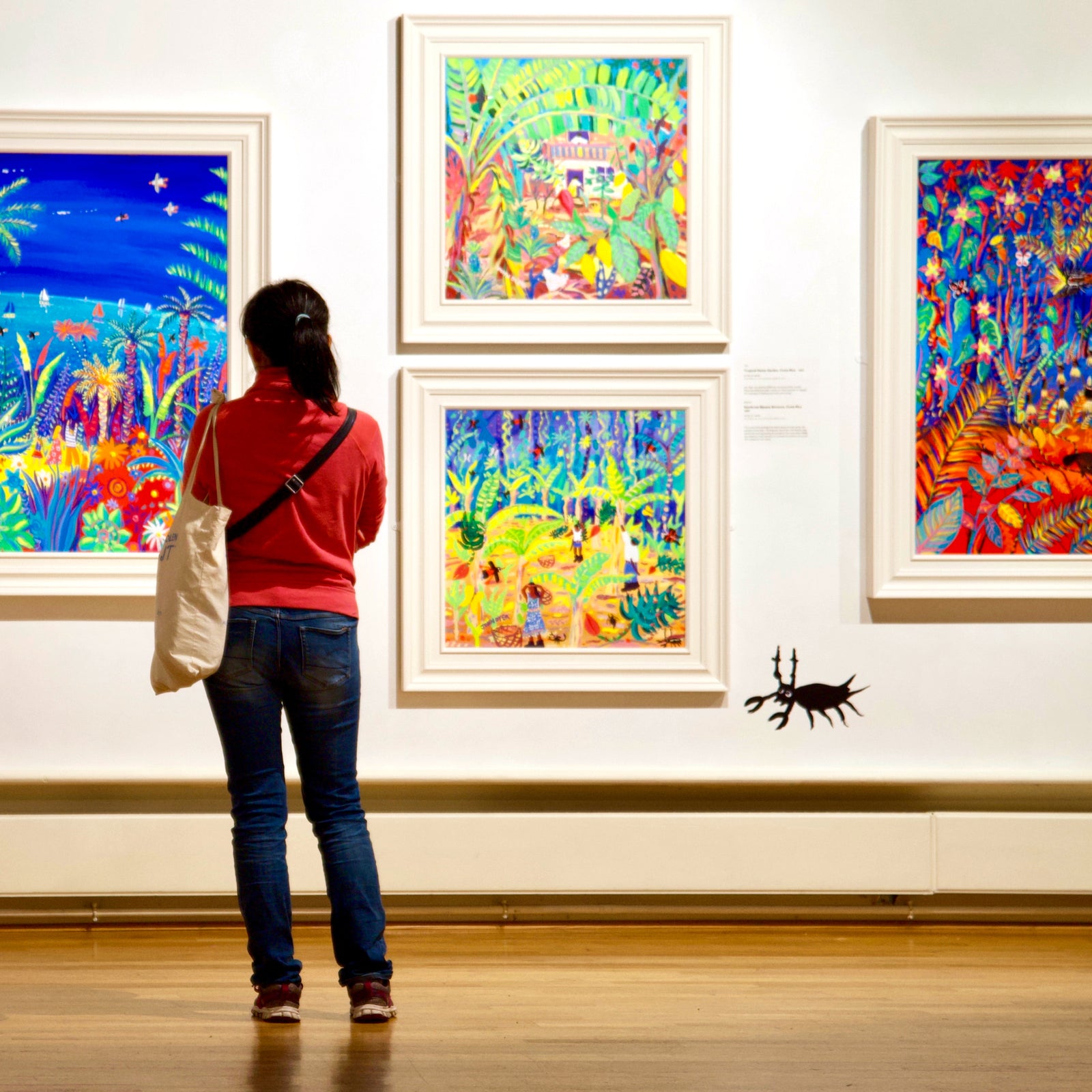
Above: Collectors exploring fine artwork at a John Dyer gallery exhibition in St Ives, Cornwall in the Porthmeor Studios overlooking Porthmeor Beach in Cornwall.
Successful collecting requires balancing personal passion with strategic thinking, ensuring each acquisition contributes to a cohesive whole whilst providing lasting satisfaction and potential financial benefit. Many collectors love the process of discovering and exploring new artwork, developing a deep emotional connection with the pieces they choose. Collectors are often happy with their acquisitions, expressing satisfaction and confidence in their choices. We hope that your collecting journey will be rewarding and that our platform aspires to provide a valuable and trustworthy experience for every collector.
Begin with pieces that resonate personally before considering investment potential exclusively. This approach ensures genuine enjoyment regardless of market performance whilst building knowledge and confidence for future acquisitions.
Research artists’ exhibition history, critical reception, and market performance through gallery resources and art publications. Understanding an artist’s career trajectory helps identify promising emerging talents and established masters whose work may appreciate over time.
Developing Relationships
Establish relationships with reputable dealers like those at The John Dyer Gallery for access to exceptional pieces and expert guidance. Gallery professionals often provide early access to new works, exhibition previews, and exclusive opportunities that enhance collecting experiences.
Attend gallery openings and artist talks to deepen understanding of contemporary movements and meet fellow collectors. This community aspect enriches the collecting experience whilst providing insights into market trends and emerging opportunities.
Strategic Considerations
Consider storage and display requirements as collections grow, ensuring adequate space and proper environmental controls. Plan for professional framing, conservation, and insurance costs when budgeting for acquisitions.
Diversify acquisitions across mediums, styles, and price points to create balanced collections that provide both immediate enjoyment and long-term value. This approach spreads risk whilst ensuring collections remain interesting and dynamic over time.
Mix contemporary pieces with classical works to create engaging dialogues between historical and current artistic movements. Such combinations reflect sophisticated collecting sensibilities whilst providing educational opportunities for family members and guests.
Conclusion

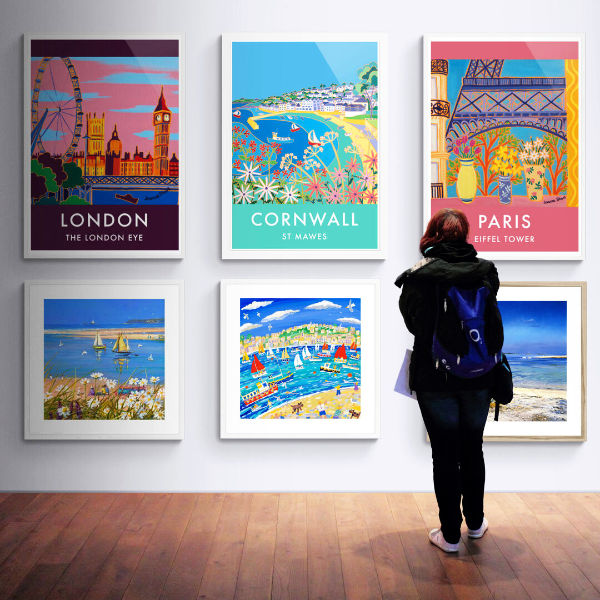
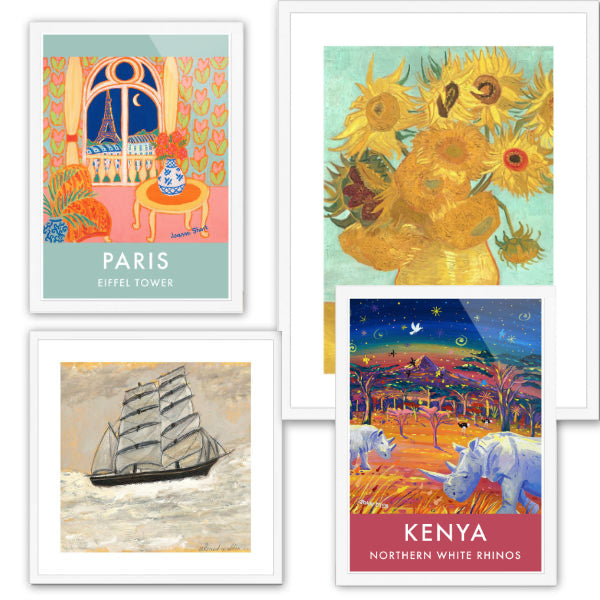
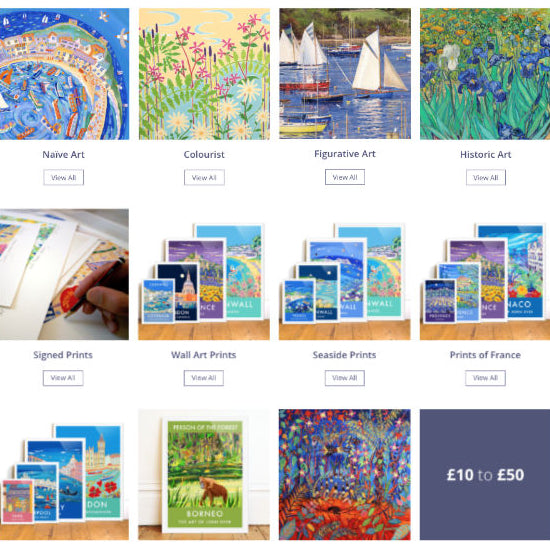
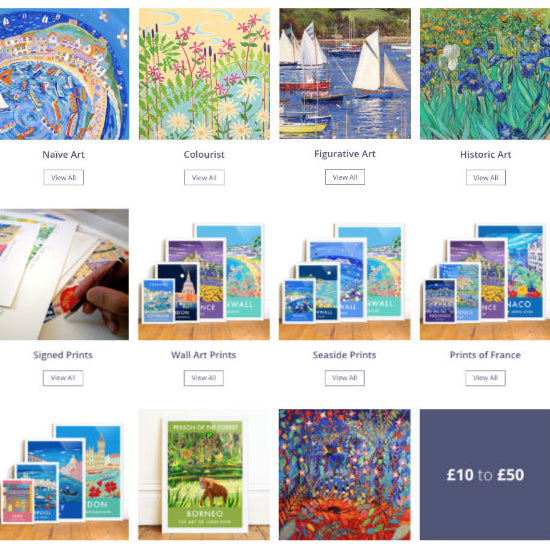
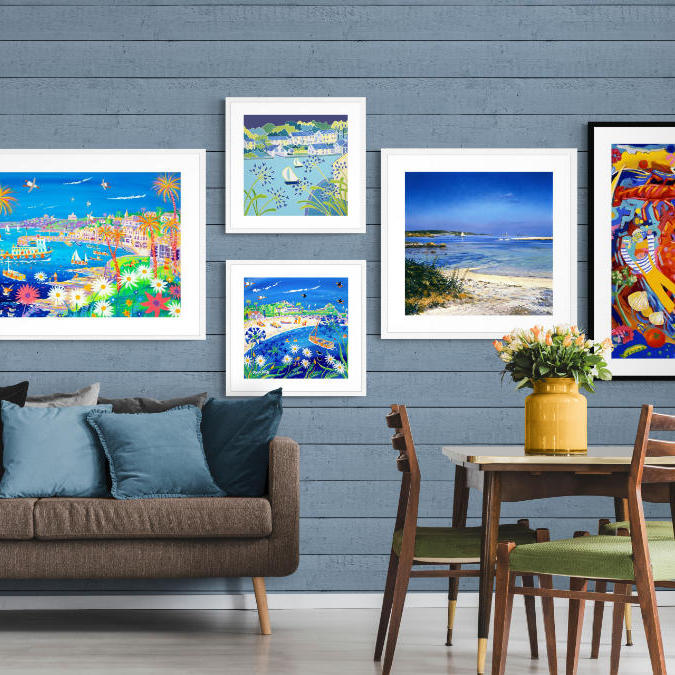
Above: Diverse fine artwork collection enriching living spaces and cultural heritage.
Fine artwork does more than decorate your walls – it enriches your life, connects you to cultural traditions, and creates a legacy of beauty and meaning for future generations.
Success in fine artwork collecting comes from combining passion with knowledge, working with reputable galleries that prioritise authenticity and customer service, and maintaining proper care standards that protect these investments over time. The rewards extend far beyond financial considerations, encompassing the daily joy of living with beautiful objects that connect us to artistic traditions spanning centuries.
Begin your fine artwork journey today by exploring curated collections from established galleries like John Dyer Gallery, where expertise, authenticity, and customer satisfaction combine to make investing in art and collecting both accessible and rewarding. Whether you’re seeking your first piece or expanding an existing collection, the perfect artwork awaits your discovery.
Explore our curated collection at The John Dyer Gallery, featuring original paintings and museum-quality prints by our acclaimed artists. Find a piece of art that transforms your space and becomes part of your story.
Frequently Asked Questions (FAQ)
What defines fine artwork?
Fine artwork refers to original paintings, sculptures, prints, and drawings created primarily for aesthetic and intellectual engagement rather than practical use. These works are valued for their originality, craftsmanship, and cultural significance.
How can I be sure the artwork I buy is authentic?
Purchasing from reputable galleries that provide detailed provenance, artist biographies, condition reports, and clear pricing helps ensure authenticity. Established galleries like John Dyer Gallery maintain high standards of documentation and customer support.
What types of fine artwork are available to collectors?
Collectors can choose from original paintings (oil, acrylic, watercolor), limited edition fine art prints, sculptures, and mixed media pieces. Each category offers unique aesthetic qualities and investment potential.
How do I care for my fine artwork?
Maintain stable temperature and humidity, avoid direct sunlight, use UV-protective framing. Proper handling and regular dusting also help preserve your collection.
Where can I buy fine artwork online?
Established online galleries with strong reputations and comprehensive collections, such as John Dyer Gallery, offer a convenient and trustworthy way to purchase fine artwork worldwide.
What should I consider when selecting artwork for my home?
Consider room size, lighting, style harmony, colour relationships, and quality framing to ensure the artwork complements your space and enhances your interior design.
Can fine artwork be a good investment?
Yes, many fine artworks appreciate over time, especially pieces by emerging artists with strong exhibition histories or limited edition prints from renowned artists. Research and expert guidance are key to making informed investment choices. However, if you are new to collecting art, your priority is the enjoyment you will get from the artwork rather than the potential investment.
How do I start building a fine art collection?
Begin with pieces that resonate personally, research artists and market trends, develop relationships with reputable galleries, and diversify your collection across mediums and styles for balance and long-term enjoyment.