





















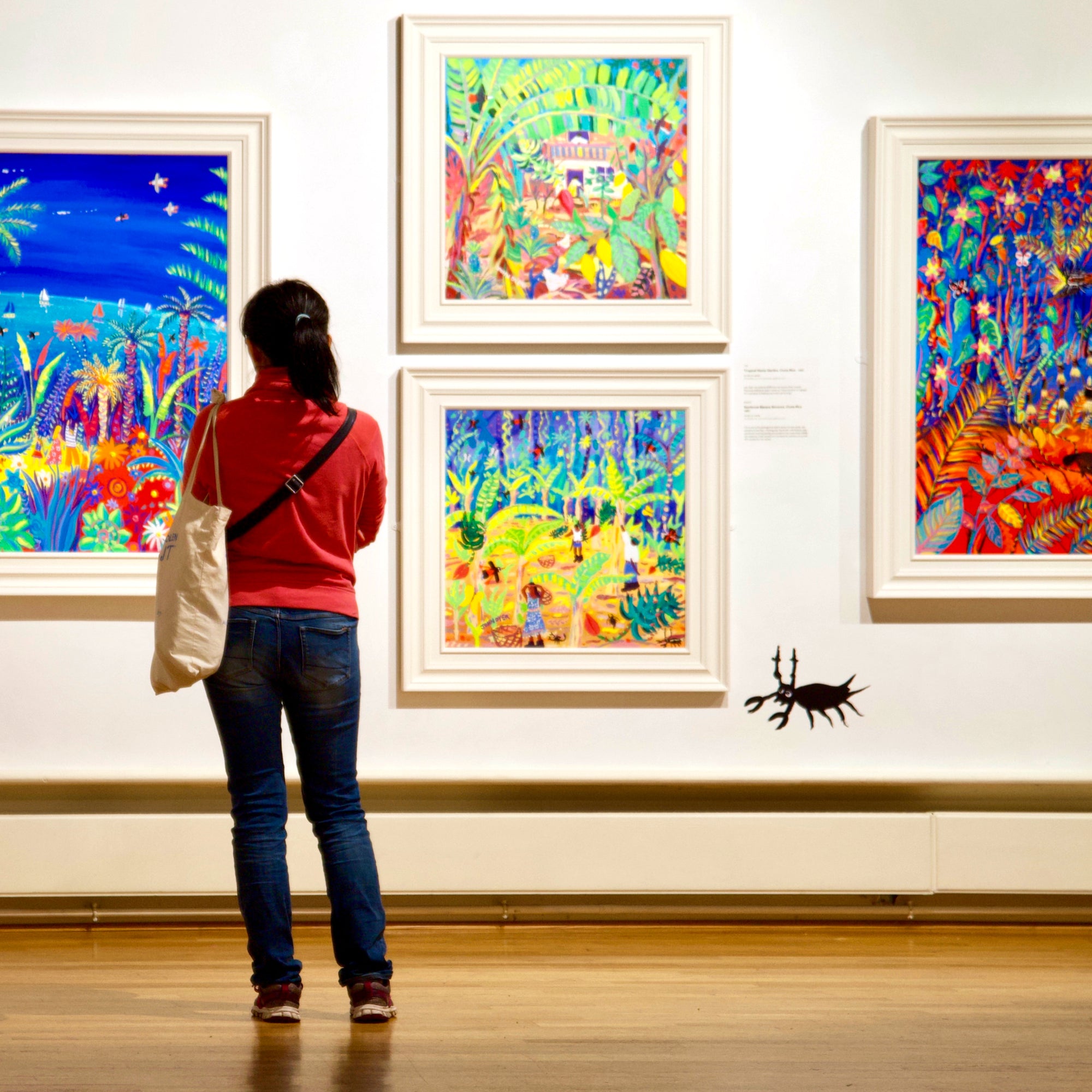
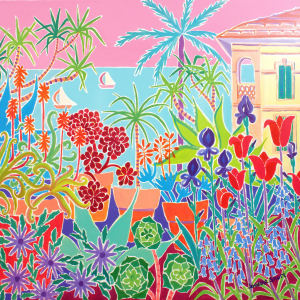
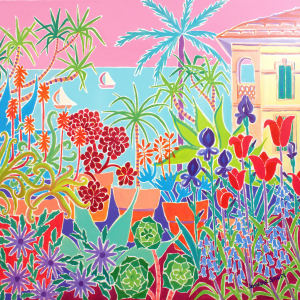
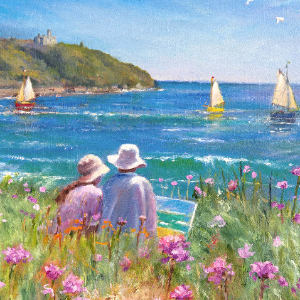
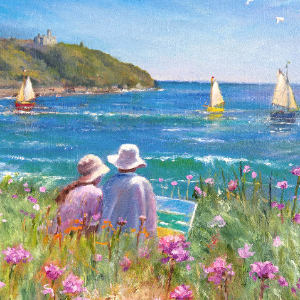
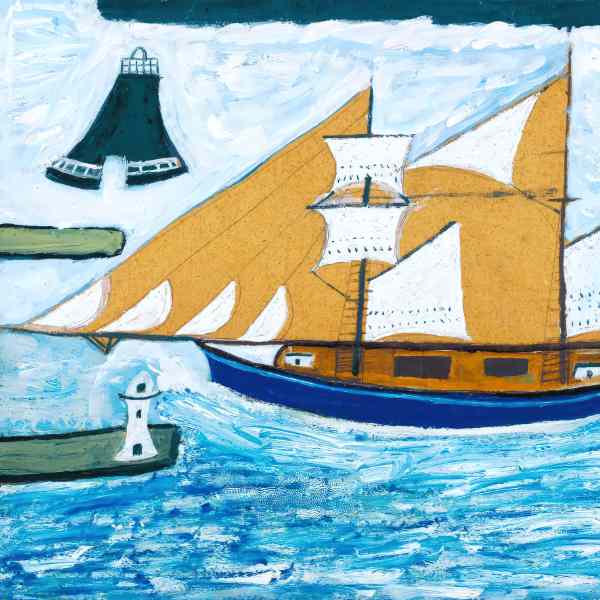







When you think of French landscape paintings, what comes to mind? Perhaps prints of the Eiffel Tower in Paris or picturesque villages nestled in the countryside. While these are certainly iconic images of France, they don’t tell the whole story. There is a side of France that is just as beautiful. Discover the unique art and culture of Provence, where every corner invites exploration and inspiration. Take the opportunity to explore the art, culture, and hidden gems that Provence has to offer.
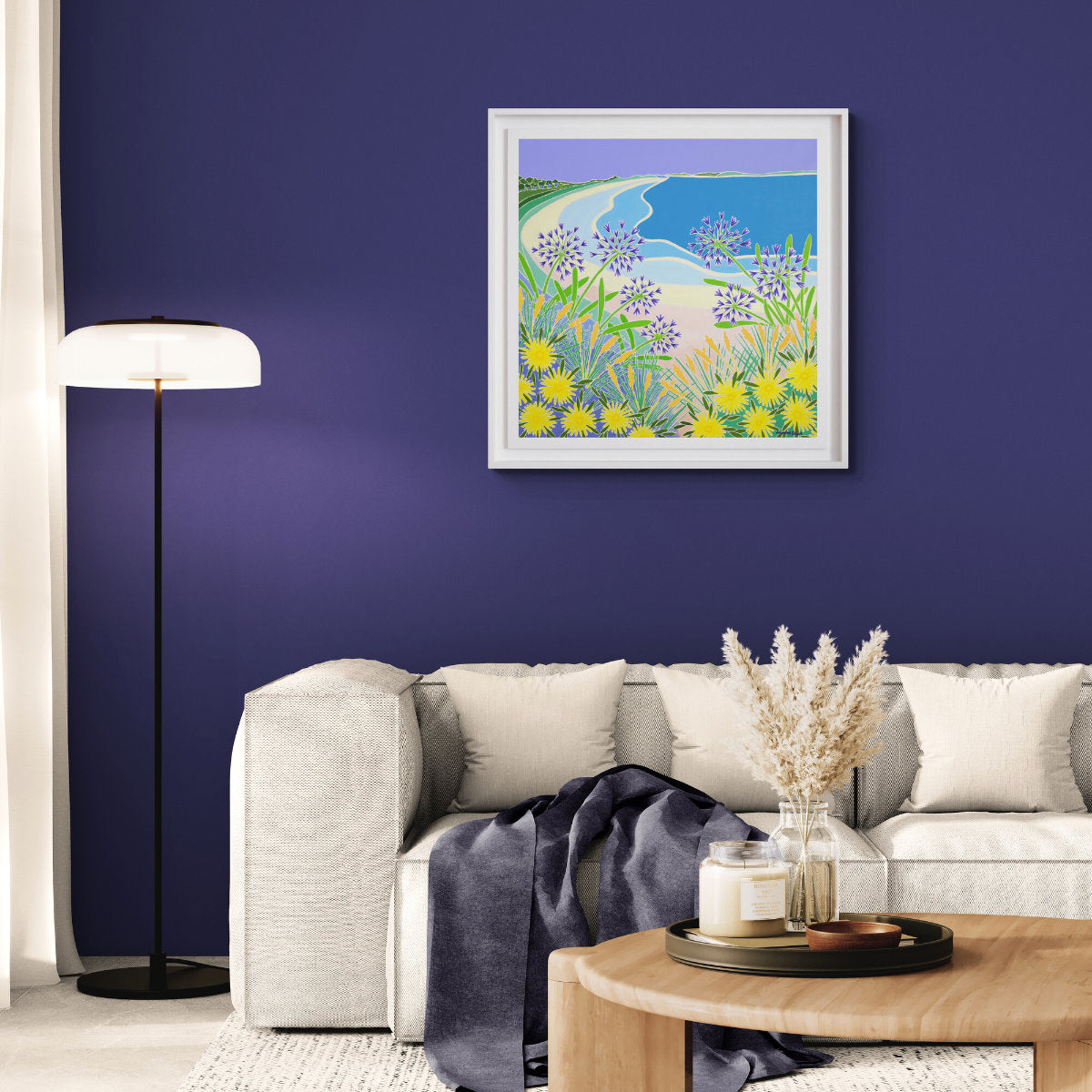
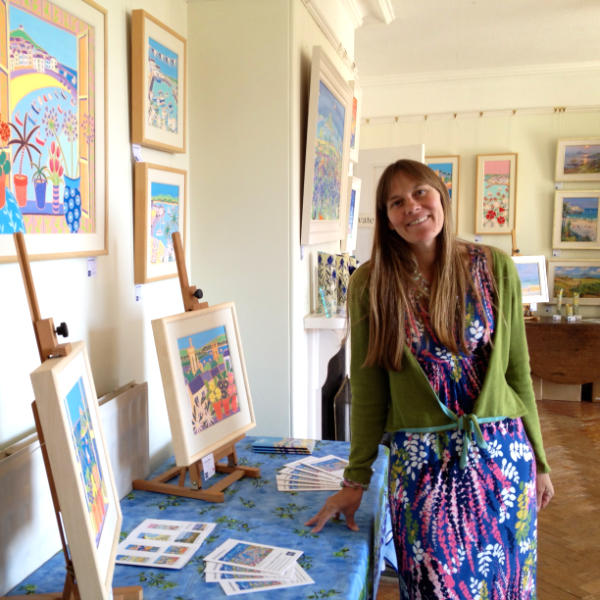
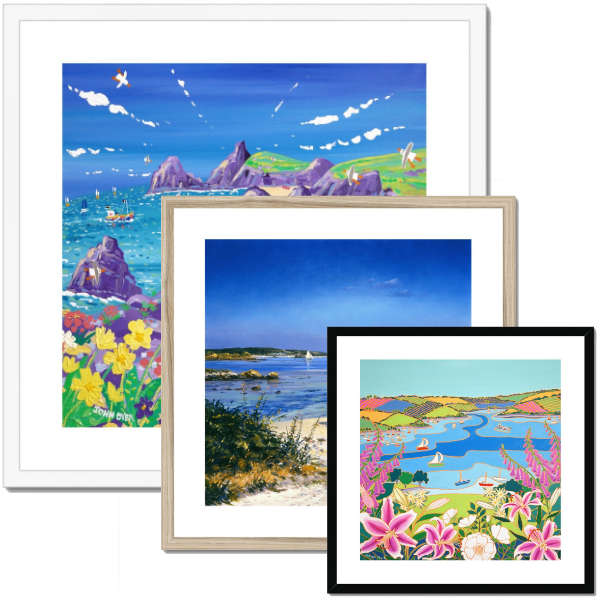
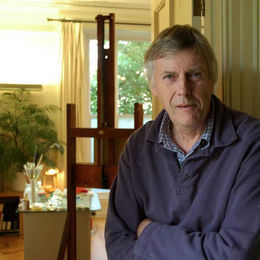
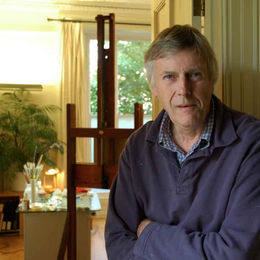
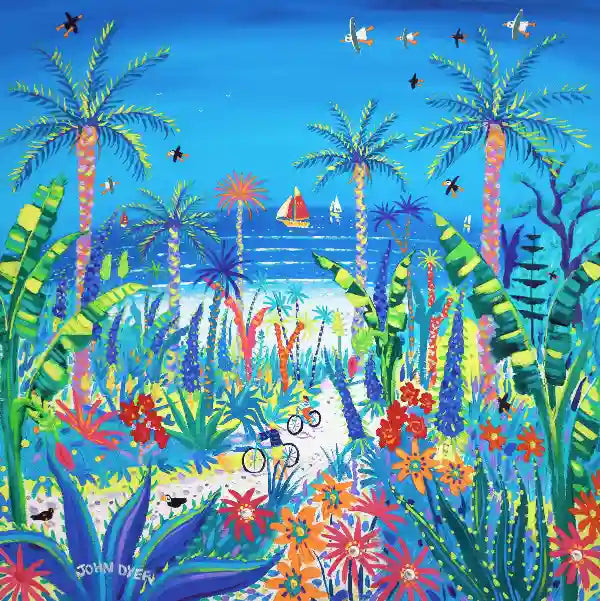
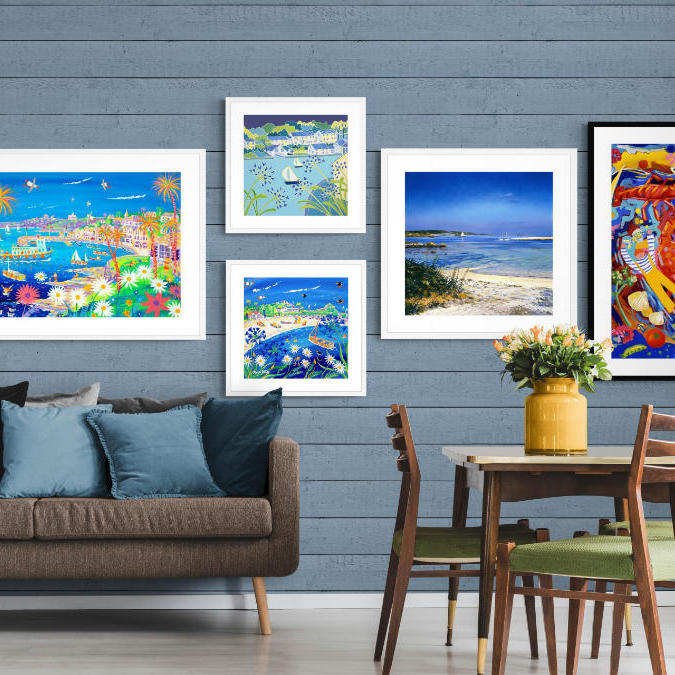
Southern France is home to artists who paint scenes of rolling hills blanketed in lavendersun-drenched vineyards, and ancient olive groves, all set against the ever-changing sky. The vibrant sky and natural light of Provence have long inspired artists, enhancing the colors and atmosphere of the region. If you’re looking for a taste of Provence without leaving your home, take a look at some of the paintings by artists John Dyer and Joanne Short, painted while on several trips to Provence and the surrounding area, including during their honeymoon. In this blog artist Joanne Short talks about her experience of painting in the South of France
Our History of Painting in Provence
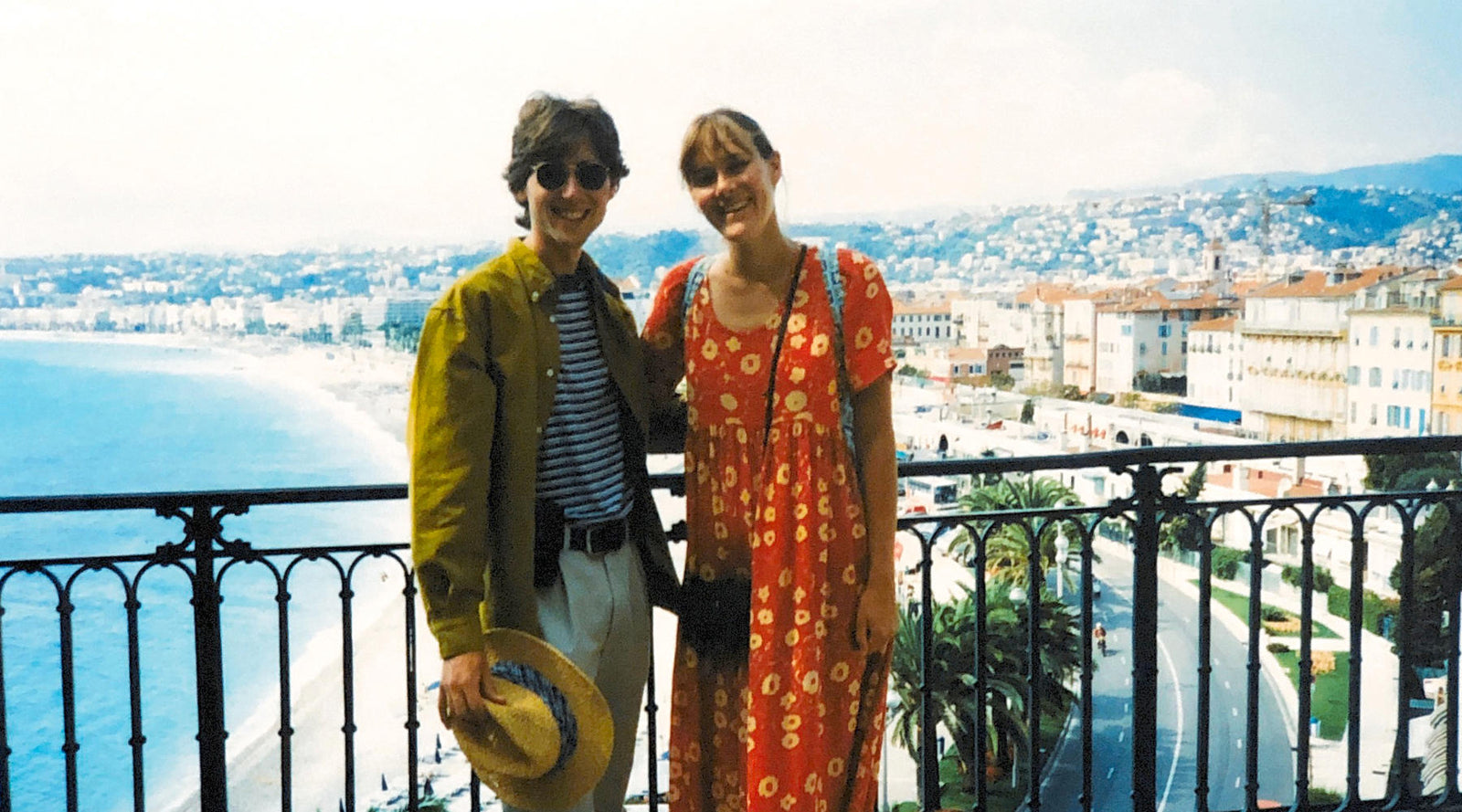
In 1997 John and I were married - that is a whole 28 years ago in September. Where did that time go? In our search to find a honeymoon to suit our budget, in the very early days of the internet, I hasten to add, our inspiration came from photographs, historical paintings and literature about the Côte d’Azur and Provence. What better place to go than Nice, inspired by the post-impressionists and great artists of the time such as Matisse, Chagall, Renoir, and Raoul Dufy, followed by a week in Provence, following in the footprints of great artists like Van Gogh, Paul Cézanne, and Signac. The style and genres of all these great artists had always been an inspiration to both of us. So our honeymoon destination was decided!
Looking back, our journey through Provence was not just a physical trip, but also a transformative voyage of discovery, exploring the region through the lens of art and the legacy of great artists.

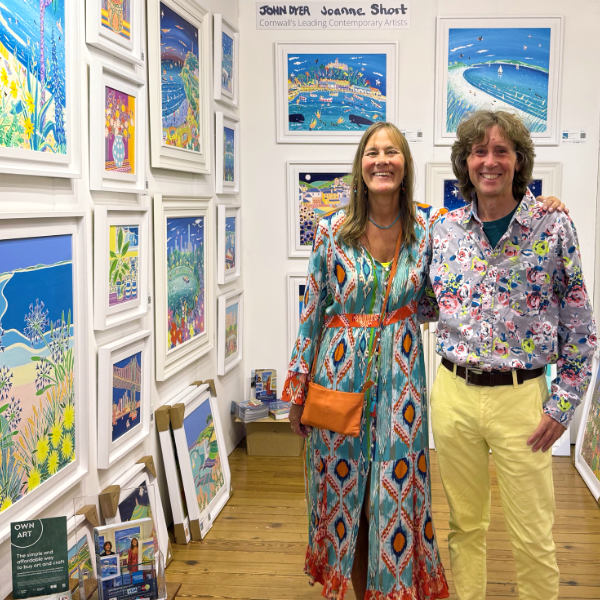
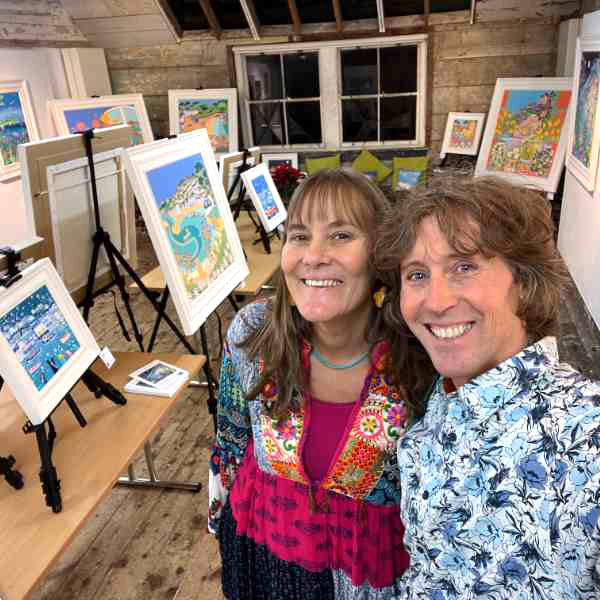
Joanne Short and John Dyer enjoying their honeymoon in Nice, the South of France, 1997
Towns and villages we visited
Nice
As we wandered around the narrow streets of old Nice, with its pastel-coloured houses and cafes, I could imagine myself in a painting by Matisse. We surrounded ourselves with French art, visiting the Chagall Museum, the Matisse Museum, and the Museum of Modern Art, where the vibrant contemporary art scene is evident in the display of modern works from renowned artists. The Musée des Beaux Arts is another established art institution in Nice, housing an eclectic collection of paintings, sculptures, and religious icons that highlight the city's rich cultural heritage. The influence of Jean Cocteau, with his artistic contributions to both visual art and film, can also be felt throughout the region's art venues. We ate socca and drank chilled rosé wine and drew and painted watercolours inspired by painters of the past who had no doubt done the same.

Watercolour painting of Nice in John Dyer's sketchbook
Nice is a city located in southern France on the Mediterranean Sea. The city has a rich history that is reflected in its art. The city was originally founded by the ancient Greeks and has been occupied by a number of different civilizations over the years, including the Romans, the Byzantines, and the French. This diversity is reflected in the city's art, which includes painting, sculpture, and architecture from a variety of different periods.
One of the most famous painters from Nice is Henri Matisse. Matisse was born in 1869, and he spent much of his life living and working in Nice. He is best known for his paintings and sculptures, which often feature bright colours and abstract shapes. Some of his most famous works include the painting 'La Danse' and from his gouaches découpées 'The Snail'.
Another famous painter from Nice is Raoul Dufy. Dufy was born in 1877, and he also spent much of his life living and working in the city. He is best known for his paintings of landscapes and seascapes, which often feature bright colours and loose brushstrokes.
Dufy has always been a favourite of John's and he has been influenced greatly by his paintings. I, on the other hand, have always loved Matisse's paintings, especially his interiors looking through windows, which have influenced a lot of my later work.

Above: Raoul Dufy, Baie des Anges, Nice. Available as a museum-quality fine-art print

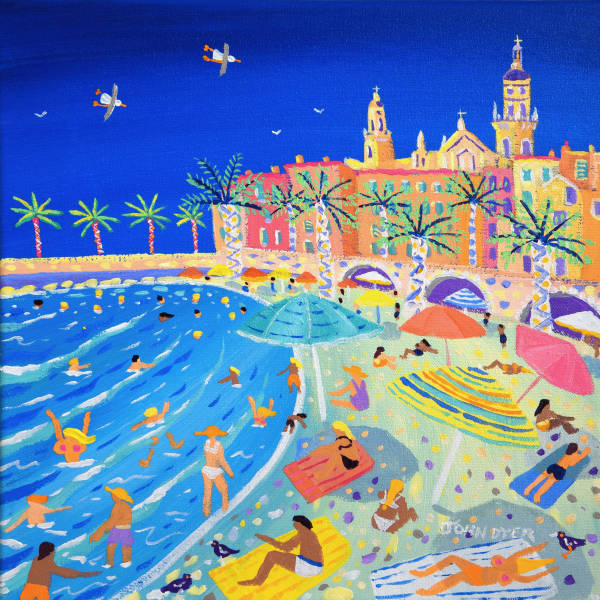
John Dyer, French Kiss, Nice
Both Matisse and Dufy were heavily influenced by the French landscape painting traditions of the eighteenth century and nineteenth century. These traditions were based on the idea that nature is a source of beauty, and that it can be a source of inspiration for artists.

Henri Matisse, Interior with Phonograph, Nice
Vence, St. Paul de Vence, Aix en Provence
We took the bus to St Paul de Vence, perched high on a hill above Cannes, where Chagall had his studio for many years. This village is full of french art and artists, and is also home to the renowned Fondation Maeght, an important art foundation that hosts major exhibitions and houses a significant collection of modern and contemporary works. Later we visited the Matisse Chapel in Vence, high on a hill overlooking the village below. This is a cool, quiet and relaxing space, away from the hustle and bustle of Nice and a place that will always remain close to our hearts. Vence is a medieval village in Provence, built on an outcrop overlooking the Mediterranean. The town of Vence was founded in Roman times and has impressive ramparts that surround it still today. We explored the narrow streets lined with ancient buildings, houses decorated with flower pots and shuttered windows. Many french artists have been inspired by the colour, light and architecture in this area of France, especially those working in the style of impressionism and post-impressionism. Traditional workshops can be found here, where skilled artisans create and restore chandeliers, lighting fixtures, and other crafts, offering a glimpse into the region's artistic heritage.
Aix-en-Provence, a city full of fountains and squares and home to Cézanne for most of his life, is well worth a visit. Cézanne's family home, Jas de Bouffan, just outside Aix-en-Provence, was a significant place where he lived and worked, deeply influencing his art. Wandering around its narrow streets surrounded by typical old french architecture you will be transported to the era of the impressionist painters. Sitting majestically behind is the Mountaine Sainte-Victoire, made famous by the oil paintings by Cezanne - he painted it over 80 times in his lifetime. In fact, landscape painting in this area plays an important part in the history of french art. Picasso also spent time in Provence and the French Riviera, leaving a lasting impact on the local art scene, with his works displayed in several regional museums.
If you want to visit the area where the Dutch painter Vincent Van Gogh lived, you should take a detour to Saint-Remy-de Provence and Arles where he cut off his ear after a disagreement with fellow artist and friend Paul Gauguin.
The colours and scenes of southern France have inspired artists for centuries, and their paintings remain some of the most iconic images of this beautiful region.
Provence - The Luberon and Vaucluse
We had heard so much about the beauty of Provence from friends who had visited before us and were not disappointed once we arrived. Peter Mayle’s books like A Year in Provence and his other novels were particularly inspiring.
The Luberon, a majestic mountain range overlooking the Vaucluse Valley, is famous for its picture-perfect villages nestled between vineyards and lavender fields. Taking a tour of the region’s art sites and charming villages is a wonderful way to experience its rich cultural heritage. The area is also renowned for its tradition of ceramics, with local artisans and museums showcasing pottery that reflects the artistic legacy of Provence. The French Impressionists painted this area extensively including Van Gogh who lived there. For those seeking unique destinations, consider a visit to the nearby island of Île de Porquerolles, celebrated for its natural beauty and artistic inspiration.
On Île de Porquerolles, the Fondation Carmignac stands out as a cultural highlight. Under the direction of Charles Carmignac, the foundation offers an immersive visitor experience, with a remarkable art collection that includes works by Roy Lichtenstein and Jean-Michel Basquiat. The exhibitions are thoughtfully curated to engage visitors with both contemporary and modern art in a stunning Mediterranean setting.
Additionally, Les Baux de Provence is renowned for its immersive digital art exhibitions held in a historic limestone quarry, providing a unique sensory experience that connects visitors with the region's artistic heritage.

Joanne Short Painting. Purple Iris, Gordes, Provence. France. 12 x 12 inches oil on canvas
We explored the countryside around Gordes, Bonnieux, and Rousillon by car and headed further north to the winemaking area of Vaucluse where we were to fall in love with the landscape and beauty of the provencal villages nestling into the Dentelles and the smell of grapes being crushed during this, the winemaking season.

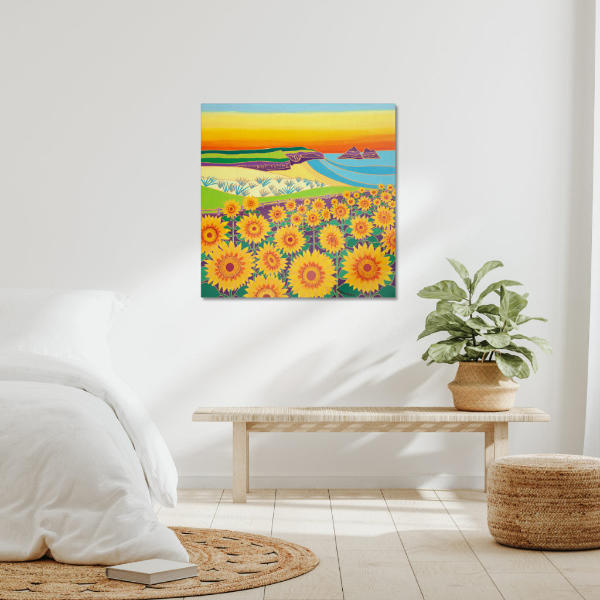
Limited Edition French Print by Joanne Short. View through the Sunflowers, Bonnieux, Provence
So much so that this has become our regular holiday destination; even after 25 years, we still visit this area and are always drawn to the same beautiful places.
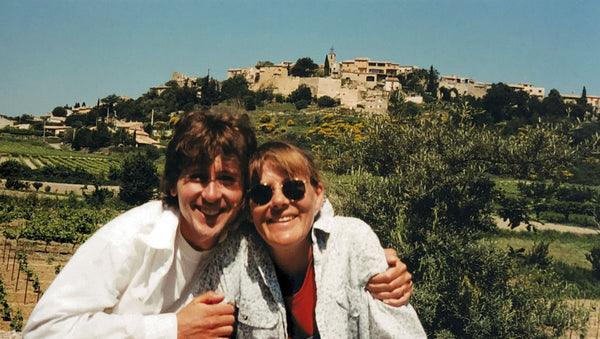
Artists John Dyer and Joanne Short in Provence, France, 1997
Gigondas, Seguret and Rasteau

French Limited Edition Print by John Dyer. Under the Shade of the Olive Trees, Gigondas, France
Gigondas, Seguret, and Rasteau are a few of our favourite villages where we love to wander around the narrow streets, browse in the local markets and sit outside one of the many cafes with a glass of wine and enjoy some wonderful French food. For many years we have sat painting and drawing this stunning scenery. A small church in a cobbled square, a narrow street, a tiny school tucked away and small hillside gardens with olive trees and colourful flowers spilling over walls - elements and details captured in our subsequent drawings and paintings.

Sketchbook drawing, in pen, of Rasteau, Provence, by artist Joanne Short, 1997

French Art Poster Print of Provence, France by John Dyer.'A Night of Shooting Stars, Grape Harvest, Rasteau
This area is famous for its Côtes du Rhone wine and it's not hard to find a winemaker who will let you taste their latest vintage. The area is peppered with wine chateaux, many of which are open to the public and some have their own restaurants. The landscape in this area is filled with grapevines as far as the eye can see, laden with ripe juicy grapes at the beginning of September, which is when we first visited. Small tractors can be seen chugging along the narrow roads in relays, transporting the grapes to be crushed at the local cave.

John Dyer sketchbook watercolour of Gigondas, France, 1997
Vaison la Romain

Artists Joanne Short and John Dyer painting at Vaison la Romain in Provence 1998
Vaison la Romain, with its Roman ruins and bridge, is also well worth a visit - as are the many other villages in this area. There is also a spectacular provencal weekly market filling the town with sumptuous fruit and vegetable stalls and artisan crafts and fabrics which is a feast to the eye. Even after all these years the colour and smell of the market evoke memories of our first trip all those years ago.
Nyons
Nyons is a small French town in the Drome region of Provence, located west of other notable towns such as Vaison-la-Romaine and Grignan. It is famous for its olives, olive oil, and truffles. It’s also known as ‘Little Rome’, because of its mild climate, hot summers, and its Roman ruins scattered around the hillside. The historic centre has many old buildings including the Chateau de Nyons, the old hospital, and a beautiful 12th century church. The town is built on the banks of the Rhone river which flows down to Avignon. For a relaxing experience, enjoy a swim in a local pool overlooking the landscape, then head west from Nyons to discover more art destinations in the region.

French Print of Cherry Pickers, Nyons, Provence, France. Vintage Style Travel Poster by John Dyer
We discovered that the landscape around Nyons differed from the wine-growing areas and enjoyed drawing and painting the olive trees with their blue green leaves, laden with fruit.
Avignon
Whilst in the Vaucluse area we were told not to miss Avignon, a town on the banks of the Rhone River. The Pope's Palace is well worth seeing, as are many other historic sites that are situated close by. Avignon is a city that has been an important place for many centuries.
Avignon hosts its own festival during the summer months and if you are lucky enough to visit at this time of year it is certainly worth seeing some of the shows on offer. The atmosphere in the town is electric with street performers on every corner.
Drawing and painting in Provence
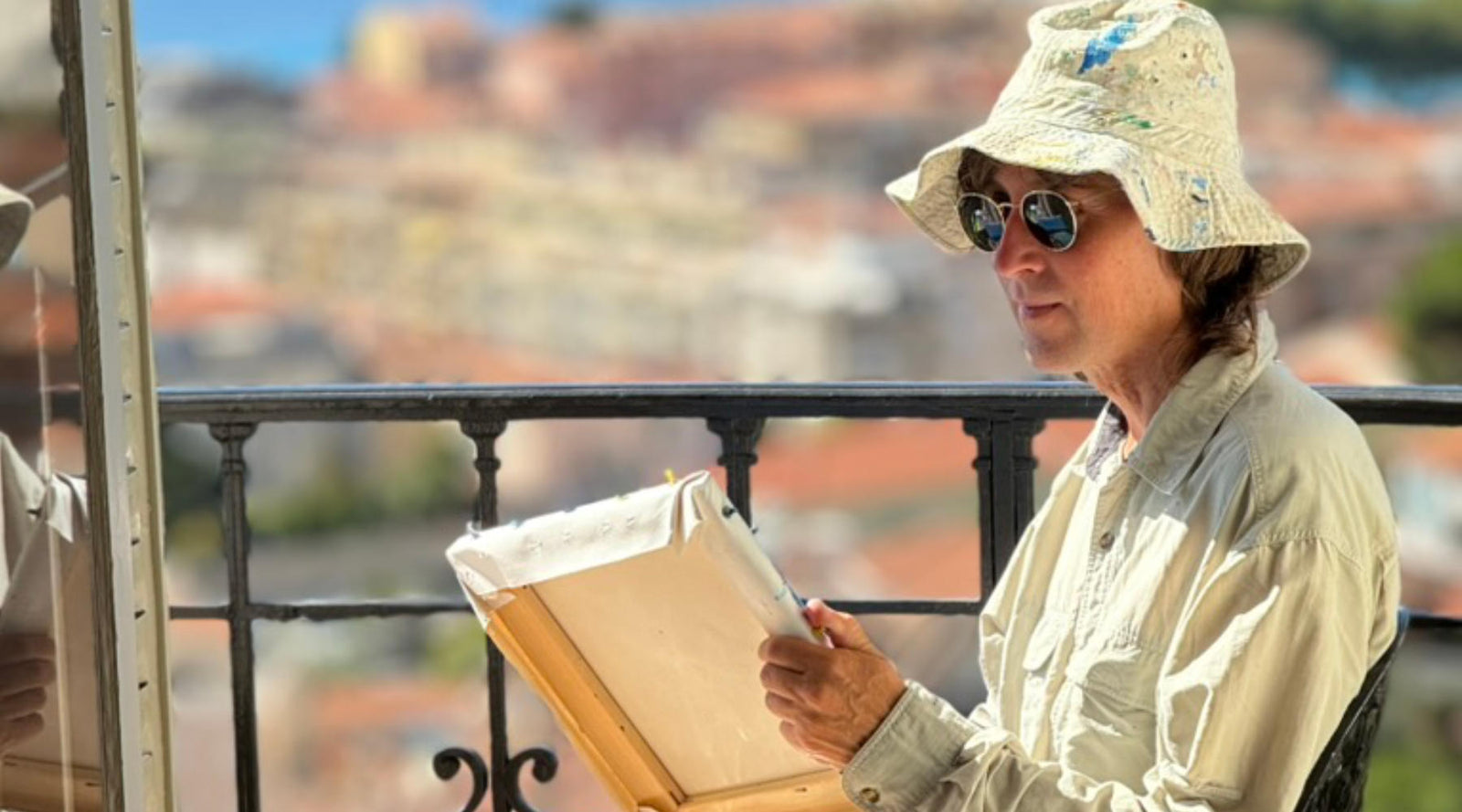
We soon became immersed in this beautiful french landscape and couldn't help but start drawing and painting. We both filled pages in our sketchbooks with pen drawings and watercolours and couldn't wait to get back to the area with our canvases, oils, and acrylics.

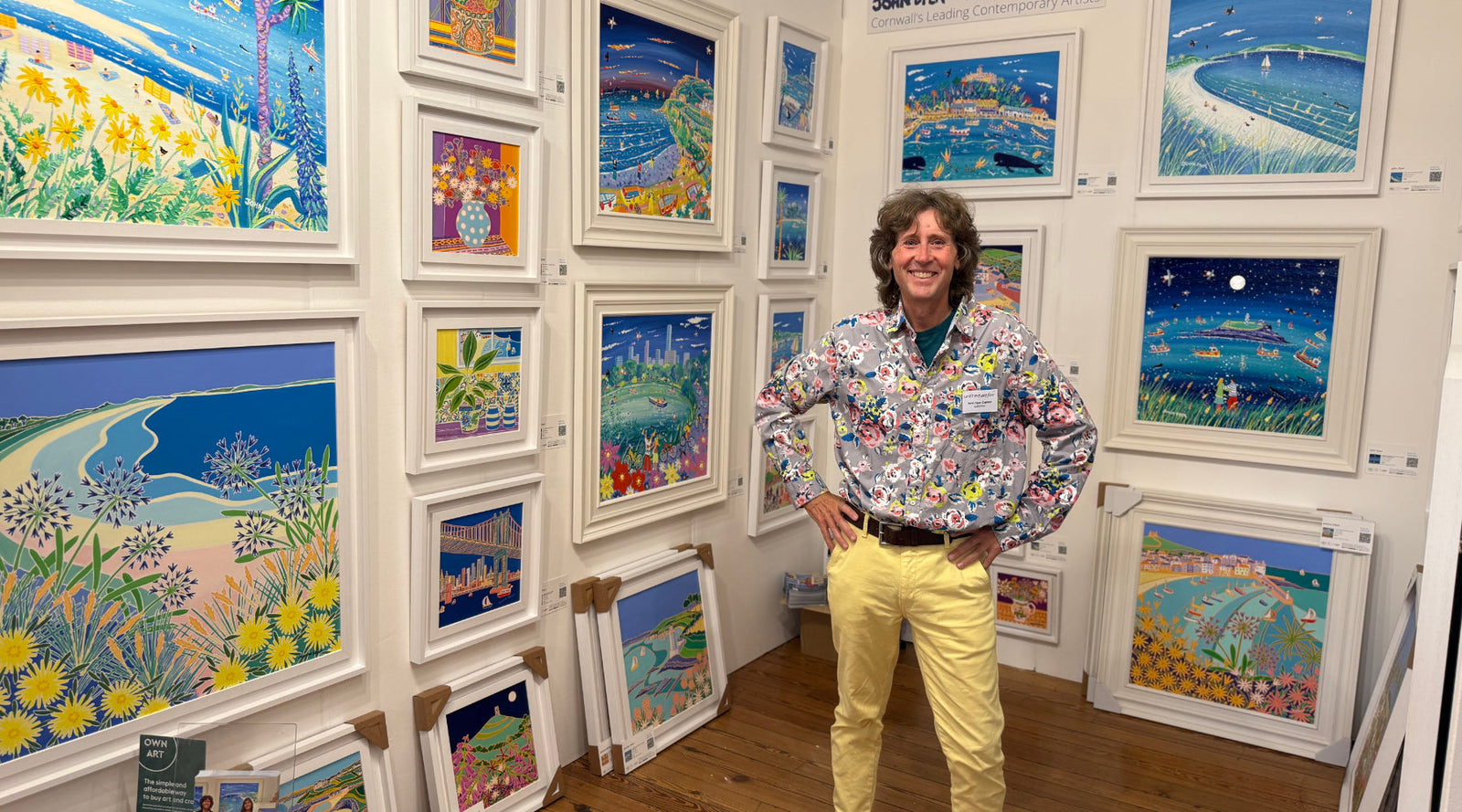
Artist John Dyer holding a painting of the French landscape by Joanne Short and one of his own paintings of Provence
The following year we set off by car with the boot fully loaded, ready for a french painting experience. There were plenty of other countries around the world we were wanting to visit but at that moment we were both excited to capture on canvas what we had seen on our first trip.

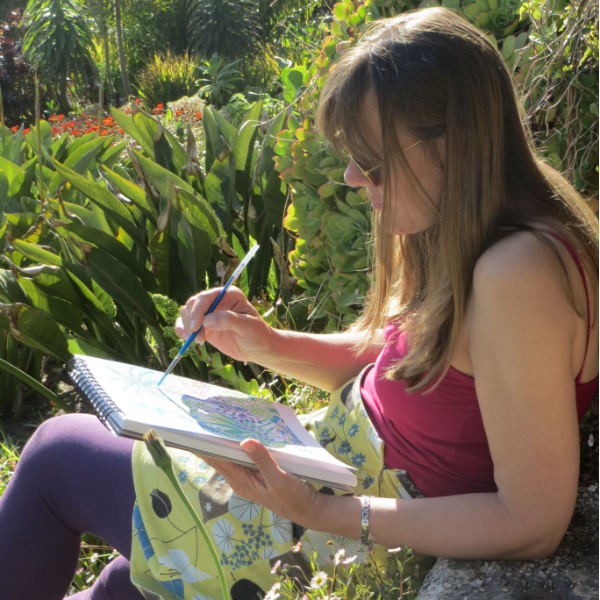
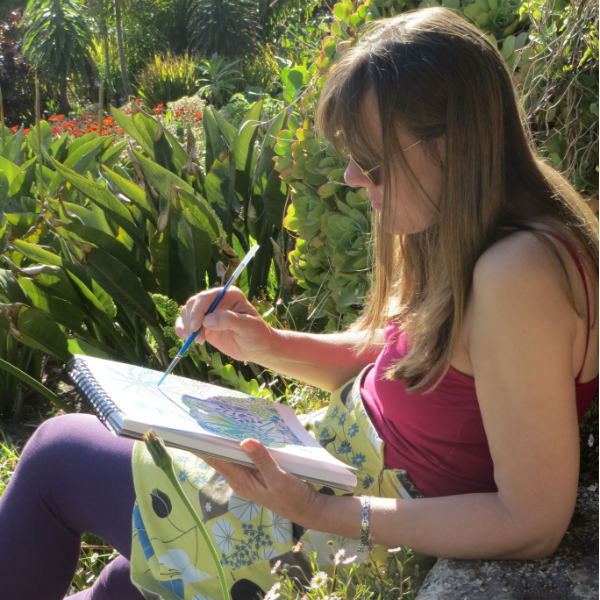
Artist Joanne Short painting in Provence, 1997
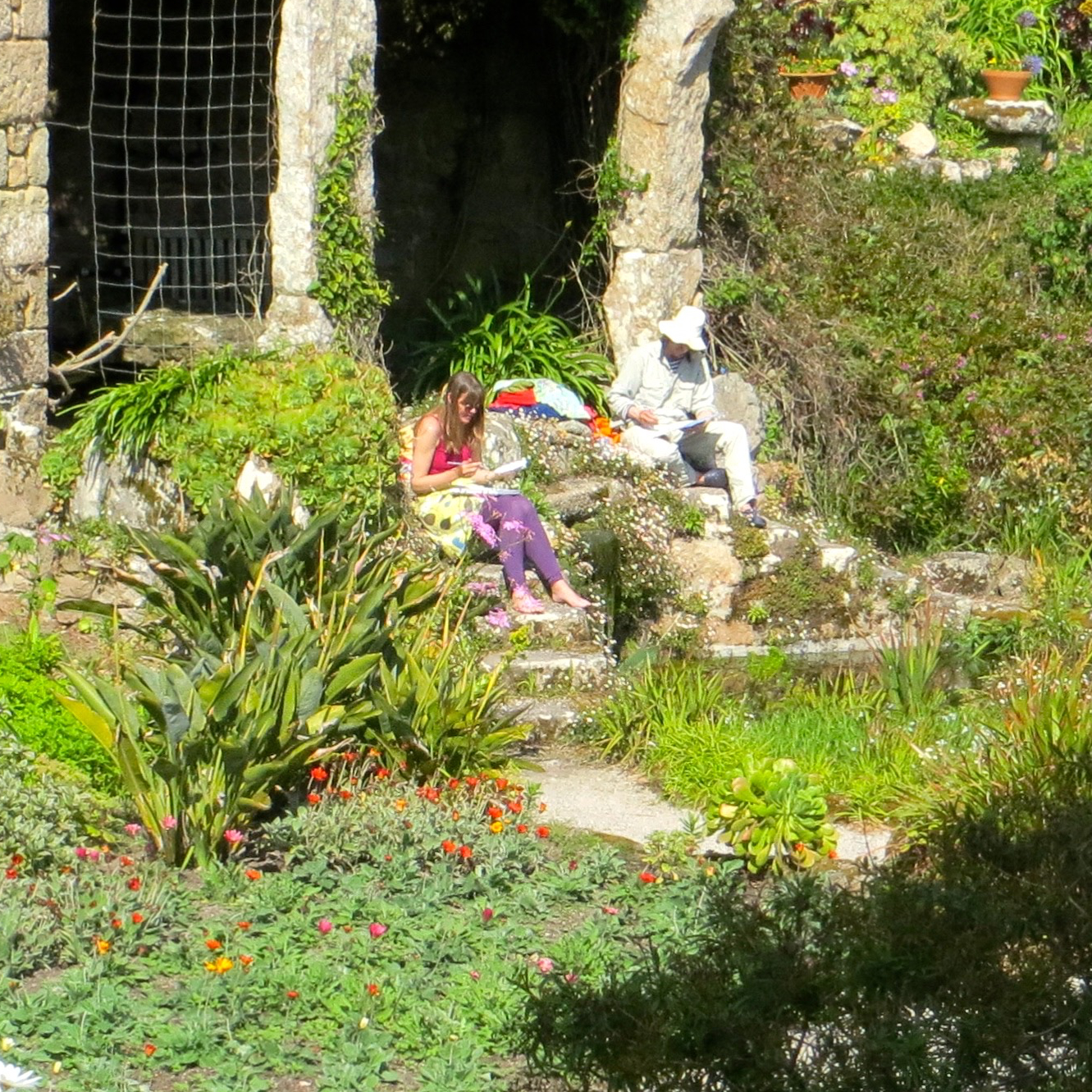
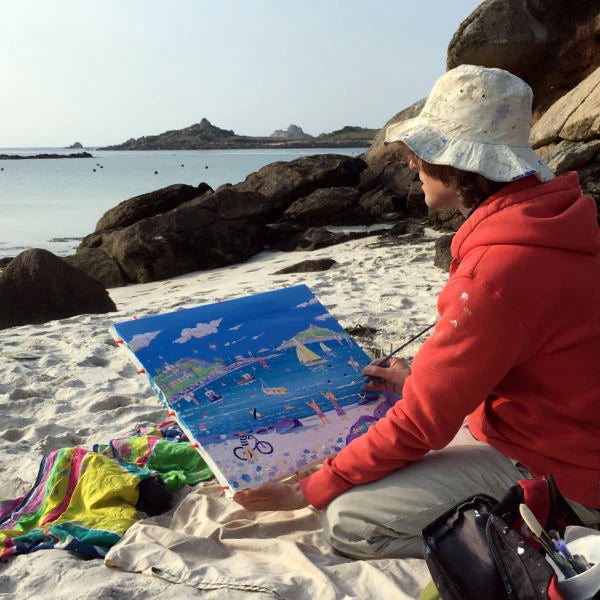
Although John and I both paint in bright, happy colours, our styles are very different. I paint in oils and John in acrylic. However, we both love to immerse ourselves in nature and found ourselves sitting amongst the vines and under the shade of olive trees. We were joined by dogs, ants, and cats, and painted some of the most beautiful and fun artwork of our lives so far!

Artist John Dyer at Ferme La Gariguette in Rasteau where the artists stayed and painted

Artists Joanne Short and John Dyer with an oil painting by Joanne, Provence, 1998
I feel that during this trip I flourished and the work I created, with an emphasis on pattern and light, was almost a turning point in my working method. It became easy to see how the impressionist artists developed and painted in their plein-air style, famous worldwide, with the warmth of the sun drying the paint efficiently and the light lending itself to mixing clear bright colours to capture the atmosphere and landscape.

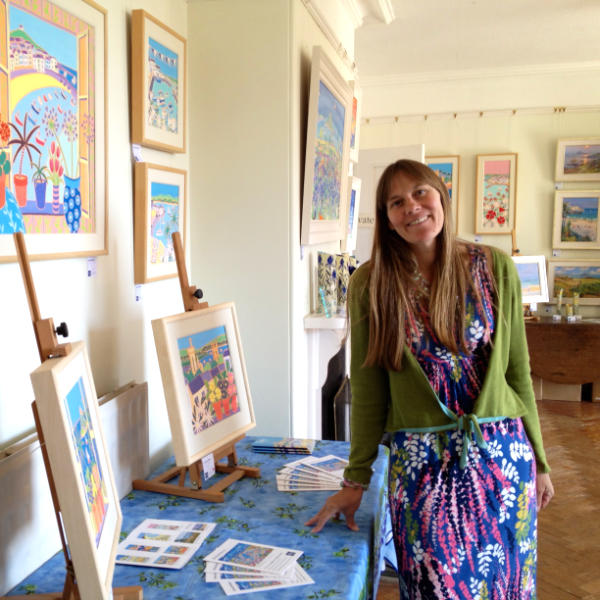
Artist Joanne Short (expecting her first child Martha-Lilly Dyer) with her collection of oil paintings of Provence in 1999
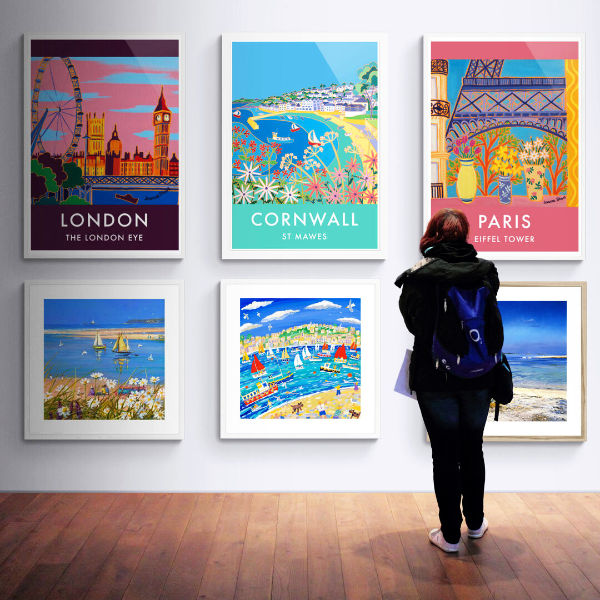
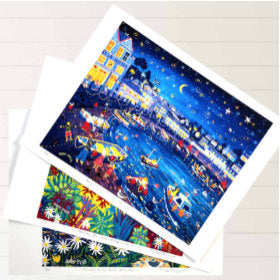
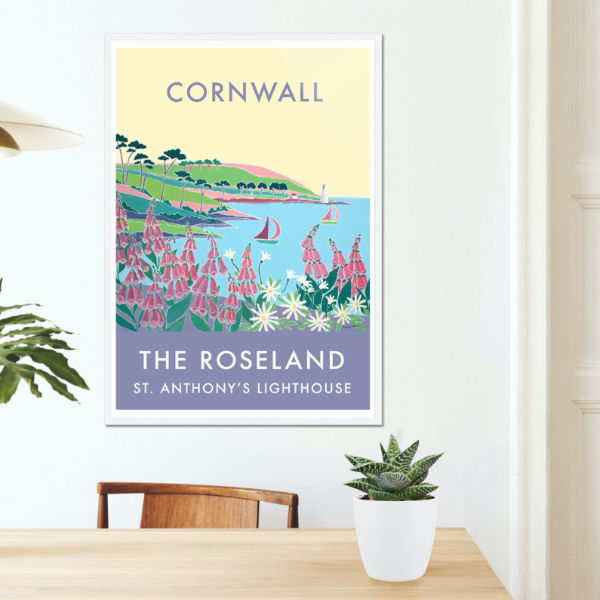
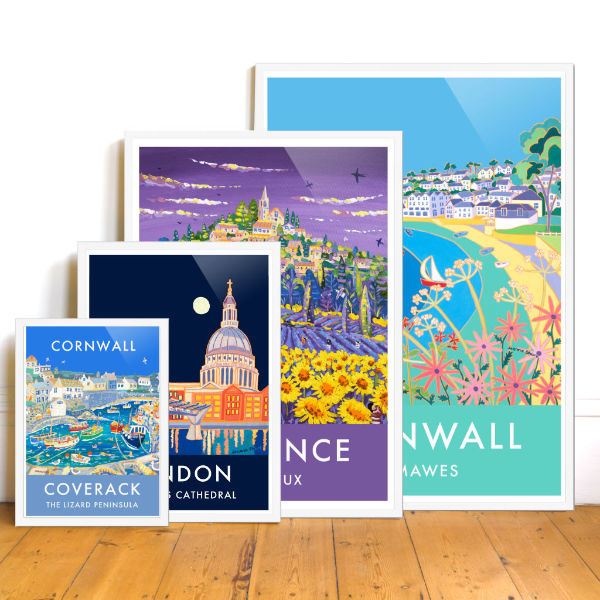
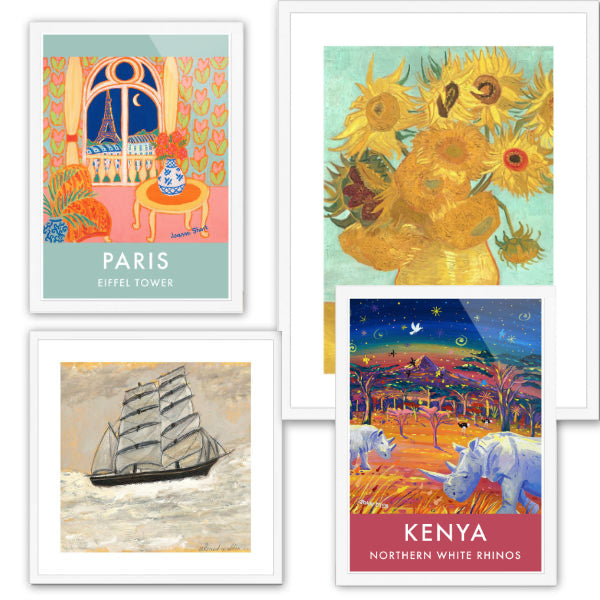
If you're looking for an escape to southern France through the eyes of an artist, take a look at our posters of France which showcase these iconic scenes. From Nice to Monaco and Bonnieux to Gigondas, we have a range of french posters and limited edition prints that will transport you right into the heart of this beautiful region.
We have many happy memories of our times spent painting in Provence and continue to be drawn back there every year - the colours, scents, and scenes are so evocative and always provide us with new inspiration. If you're looking for posters of France that showcase these beautiful scenes, look us up at johndyergallery.com where you will find paintings, limited edition prints, and a selection of art print posters available both framed and unframed.
Frequently Asked Questions
Which famous artists are associated with Provence?
Provence has inspired many renowned artists including Vincent van Gogh, who produced around 200 canvases while living in Arles; Paul Cézanne, closely linked to Aix-en-Provence and famous for painting Montagne Sainte-Victoire; Henri Matisse and Raoul Dufy, both of whom lived and worked in Nice; Pablo Picasso, who created over 4,000 ceramic pieces in Vallauris; and Jean Cocteau, known for his murals and museum in Menton. The region also attracted artists like Paul Signac, Amedeo Modigliani, and Fernand Léger.
What are some key art museums and foundations to visit in Provence?
Provence is home to many important art institutions such as the Fondation Maeght in Saint-Paul-de-Vence, showcasing modern and contemporary works; the Musée National Message Biblique Marc Chagall in Nice; the Musée des Beaux Arts in Nice; the MAMAC (Musée d'Art Moderne et d'Art Contemporain) in Nice; the Musée Picasso in Antibes; the Fondation Vasarely in Aix-en-Provence; the Fondation Carmignac on Île de Porquerolles; Villa Noailles in Hyères; the Musée Granet in Aix-en-Provence; the Musée Estrine in Saint-Rémy-de-Provence; and the Fondation Luma in Arles.
What unique art experiences can visitors enjoy in Provence?
Visitors can experience immersive digital art exhibitions at Les Carrières des Lumières in Les Baux-de-Provence, explore contemporary art installations at Château La Coste surrounded by olive trees and vineyards, and enjoy site-specific sculptures at the Fondation Carmignac on the island of Porquerolles. The region also hosts art festivals, such as the Festival of Lacoste, as well as fashion and photography events at Villa Noailles. Additionally, there are guided walks that trace Van Gogh’s footsteps in Arles and St-Rémy, as well as opportunities to visit artist studios and family homes, such as Cézanne’s atelier and Picasso’s studio.
How has the landscape of Provence influenced art?
The natural light, vivid skies, olive groves, vineyards, lavender fields, and historic villages of Provence have inspired generations of artists. The colours and atmosphere of the region enhance the vibrancy of paintings, as seen in the works of Impressionists and Post-Impressionists. The Montagne Sainte-Victoire was a particularly significant subject for Cézanne. The region’s rustic charm and Mediterranean environment continue to attract painters and sculptors seeking inspiration.
Are there any notable towns or villages in Provence known for their artistic heritage?
Yes, several towns and villages are key to Provence’s artistic legacy. Nice is known for its museums dedicated to Matisse, Chagall, and modern art. Saint-Paul-de-Vence is a historic artists’ village housing the Fondation Maeght. Aix-en-Provence is closely tied to Cézanne and hosts the Fondation Vasarely. Arles and Saint-Rémy-de-Provence are linked to Van Gogh’s life and work. Menton features Jean Cocteau’s murals and museum. Villages like Vence, Luberon, and Menerbes have vibrant artistic communities and workshops.
What role do olive groves and vineyards play in the art of Provence?
Olive groves and vineyards are iconic elements of the Provençal landscape and frequently appear in paintings and sculptures. They symbolise the region’s agricultural heritage and natural beauty, providing artists with textured subjects and rich colour palettes. Many artworks capture the interplay of sunlight on olive trees and grapevines, reflecting the unique Provençal light.
How can visitors learn more about the art history and artists of Provence?
Visitors can explore museums and foundations, participate in guided tours and walks (such as those following Van Gogh’s easel locations), attend exhibitions and festivals, and visit artist studios and family homes. Tourist offices in towns like Aix-en-Provence, Arles, and Nice provide maps, brochures, and information to help plan cultural visits. Workshops and artisan studios also offer hands-on experiences related to Provençal art traditions.
Are there opportunities to see contemporary art alongside historical works?
Absolutely. Provence hosts a thriving contemporary art scene with museums like MAMAC in Nice, Fondation Carmignac on Île de Porquerolles, Fondation Luma in Arles, and Château La Coste estate. These venues feature works by great names in modern and contemporary art, including Jean-Michel Basquiat, Roy Lichtenstein, and Yves Klein, blending historical appreciation with cutting-edge creativity.
What makes Provence a unique destination for art lovers?
Provence combines breathtaking natural landscapes, rich cultural heritage, and a remarkable legacy of great artists who lived and worked there. The interplay of light, color, and scenery has inspired centuries of masterpieces. Visitors can enjoy both historical art treasures and innovative contemporary exhibitions, all within charming towns, olive groves, and sun-drenched vineyards. The region’s festivals, workshops, and immersive experiences make it a dynamic and inspiring destination for art enthusiasts.