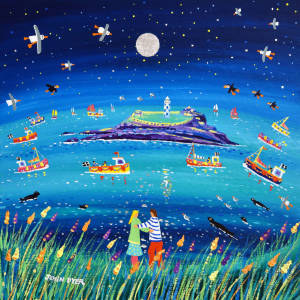
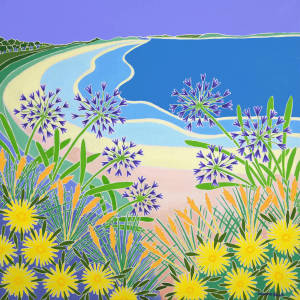
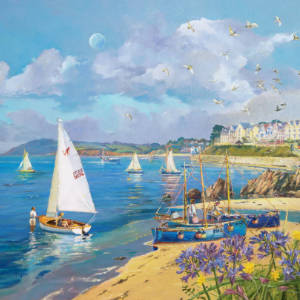
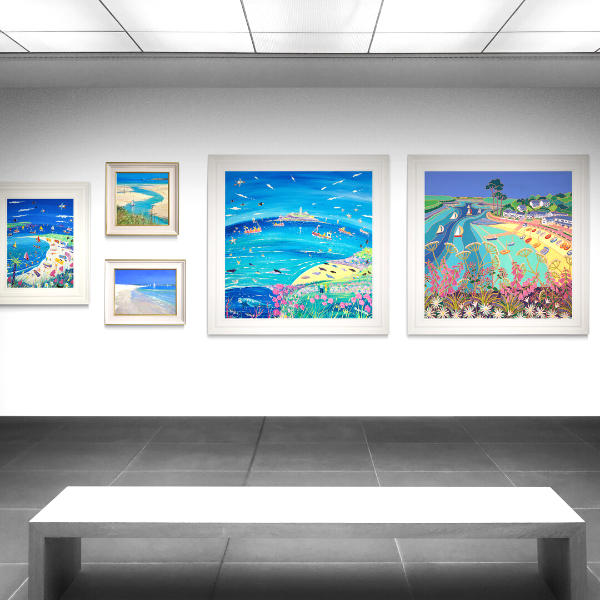
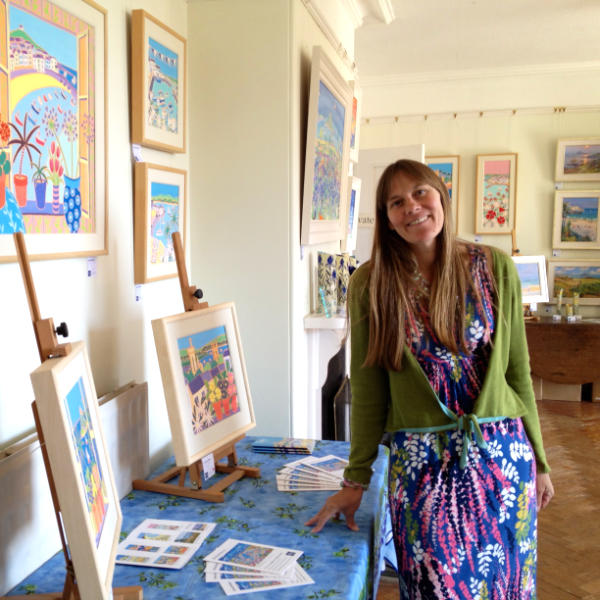
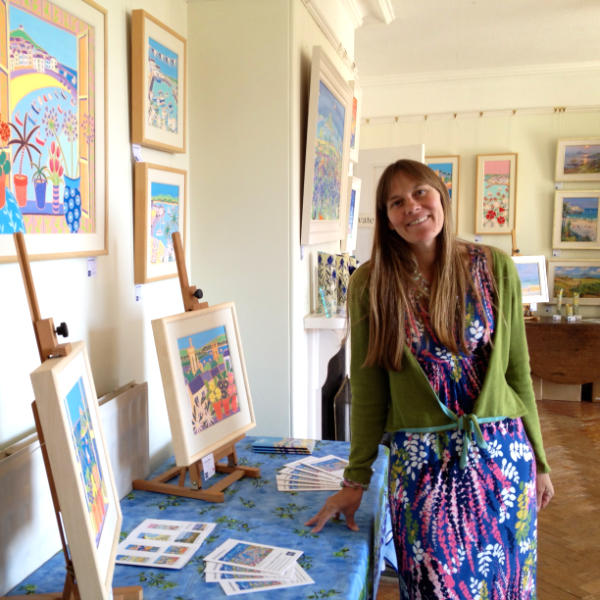
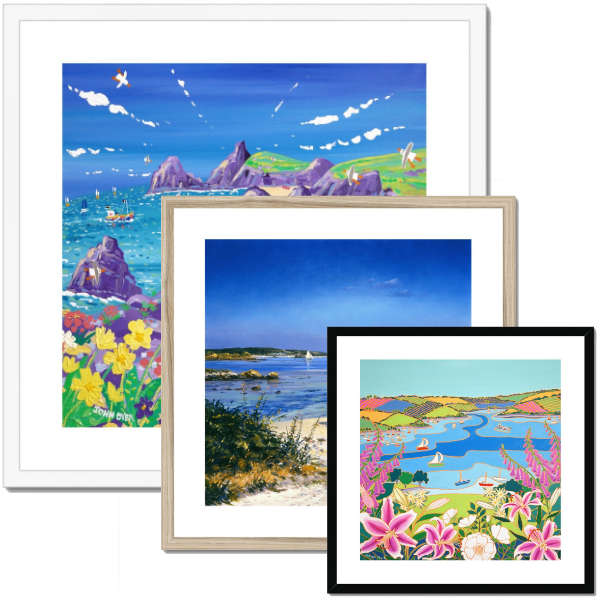
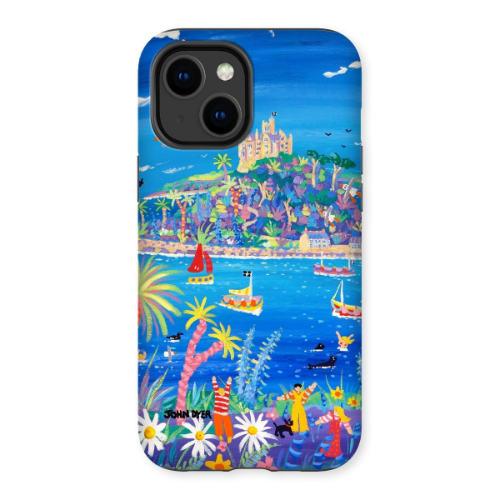
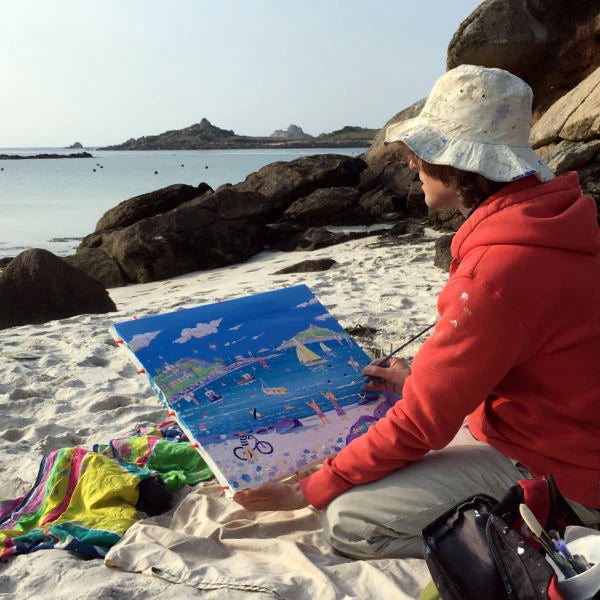
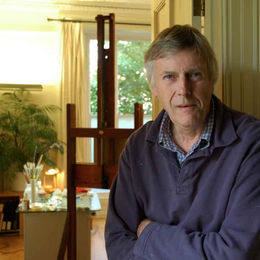
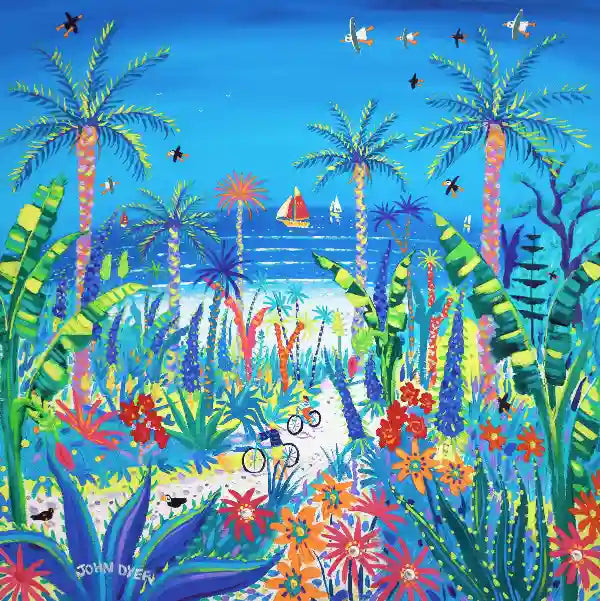
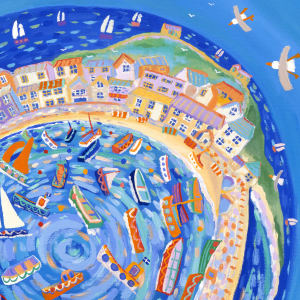
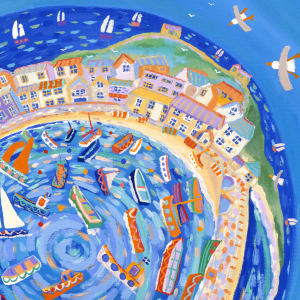
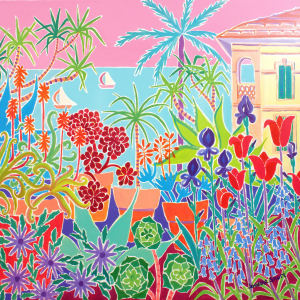
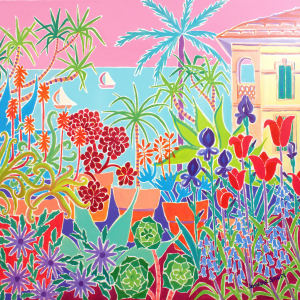
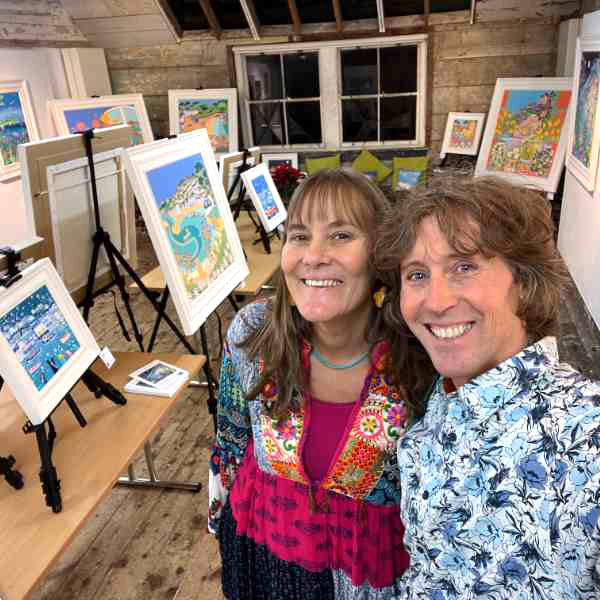
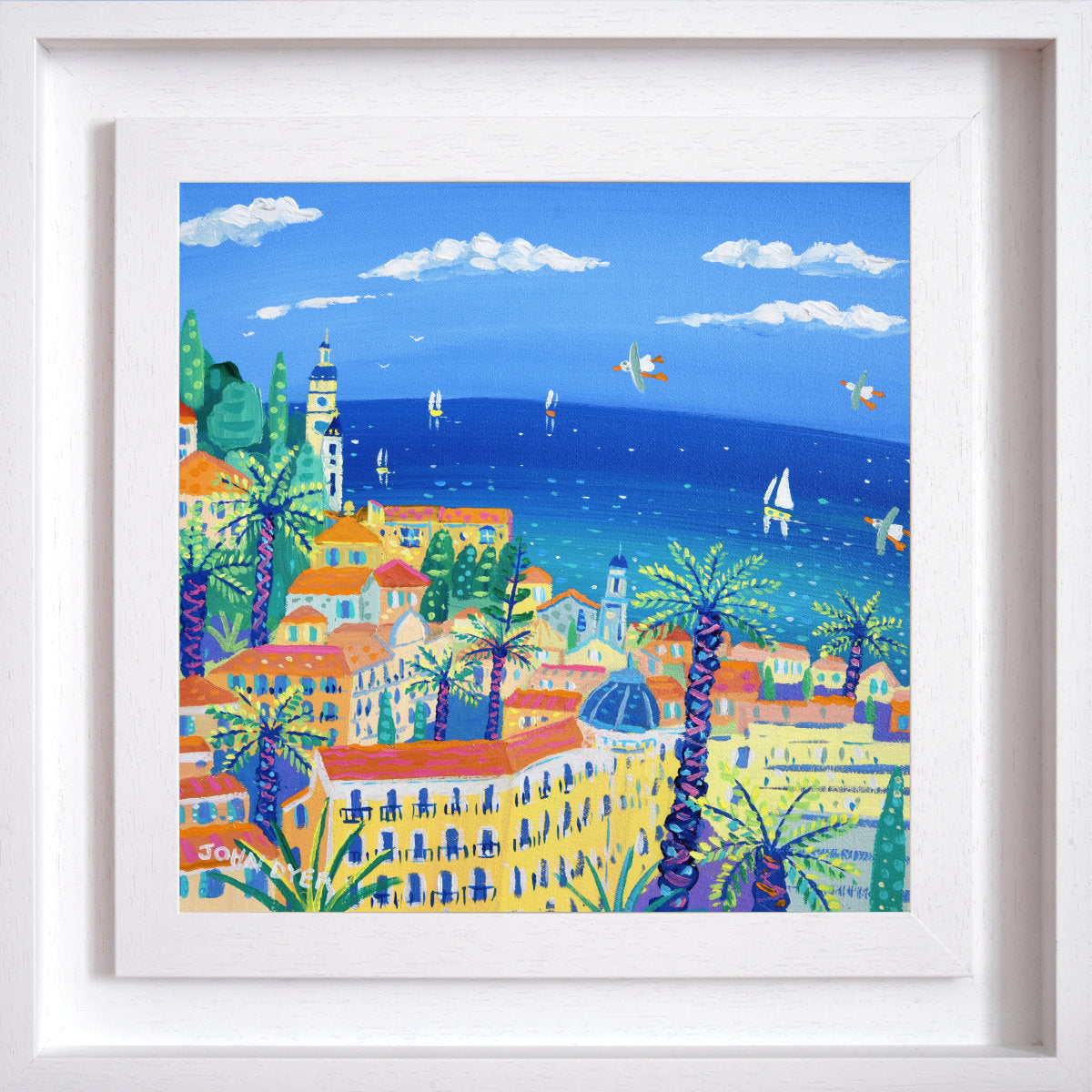
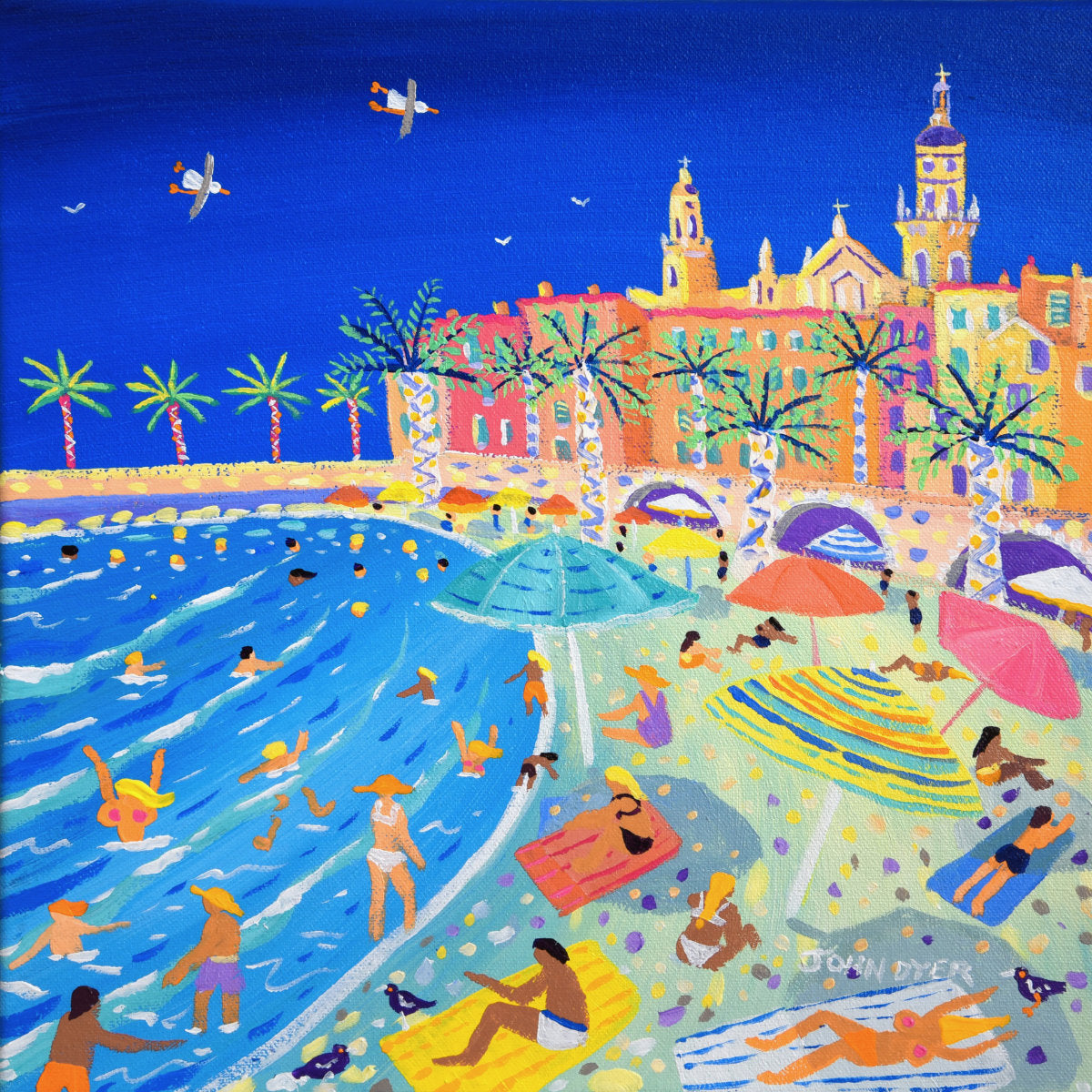
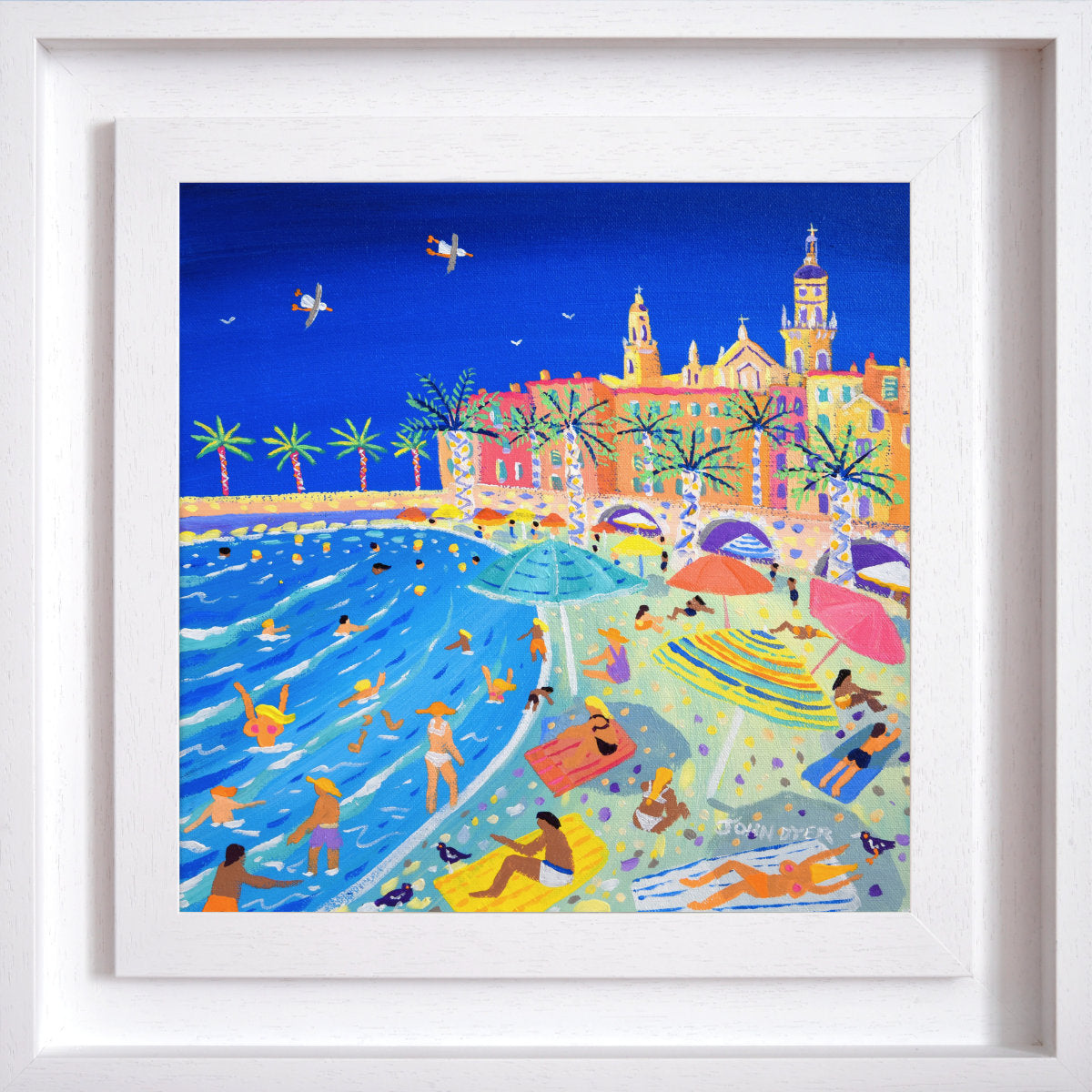
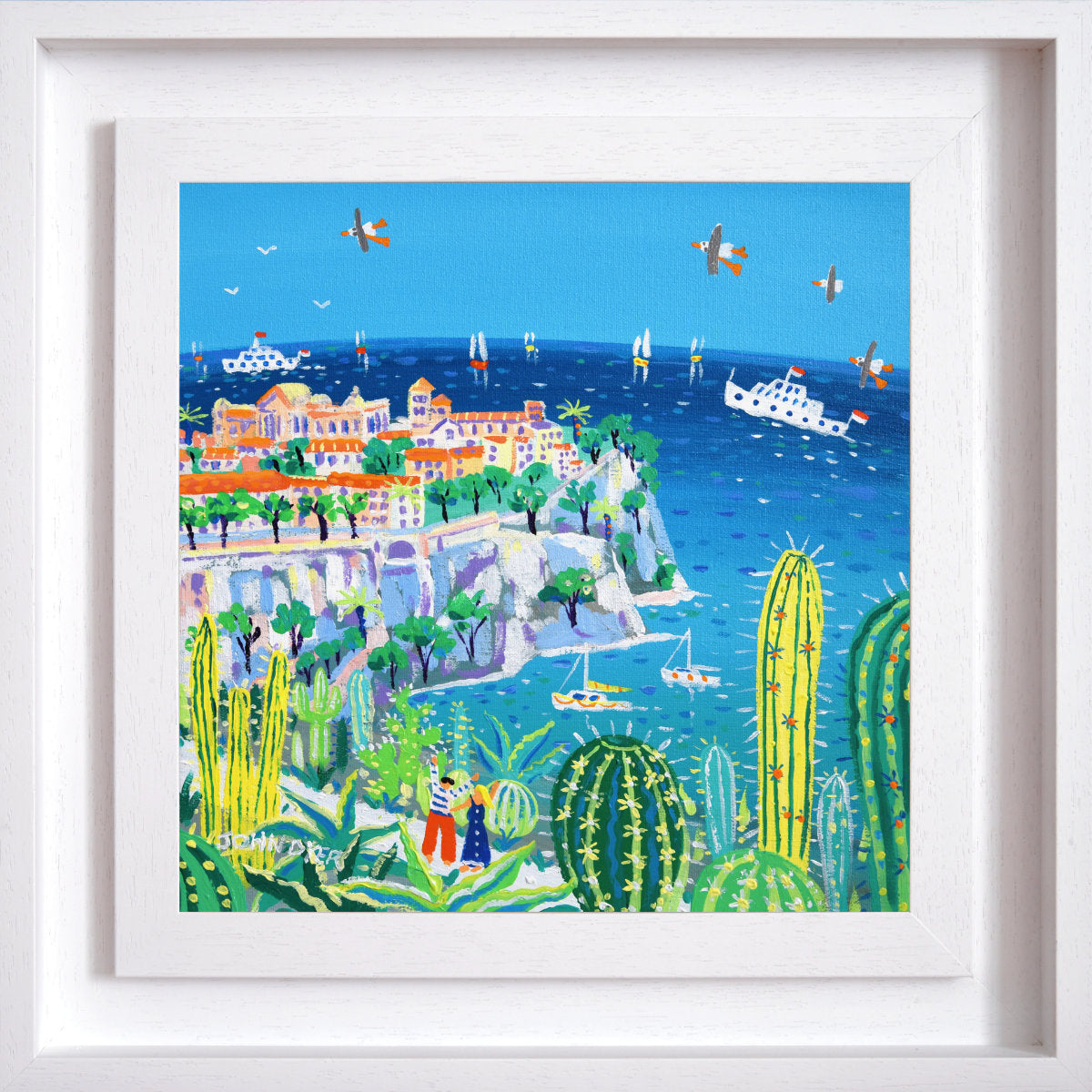
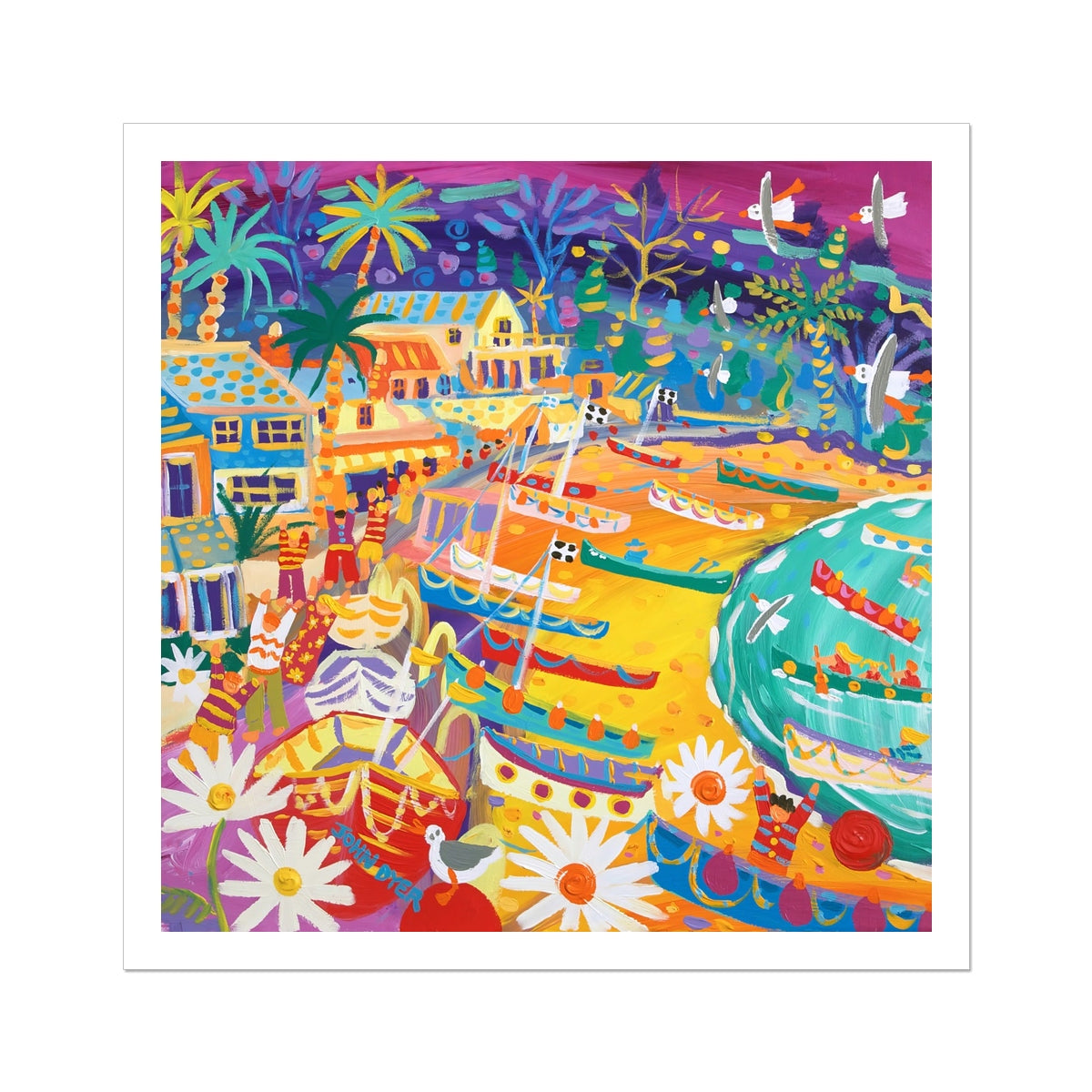
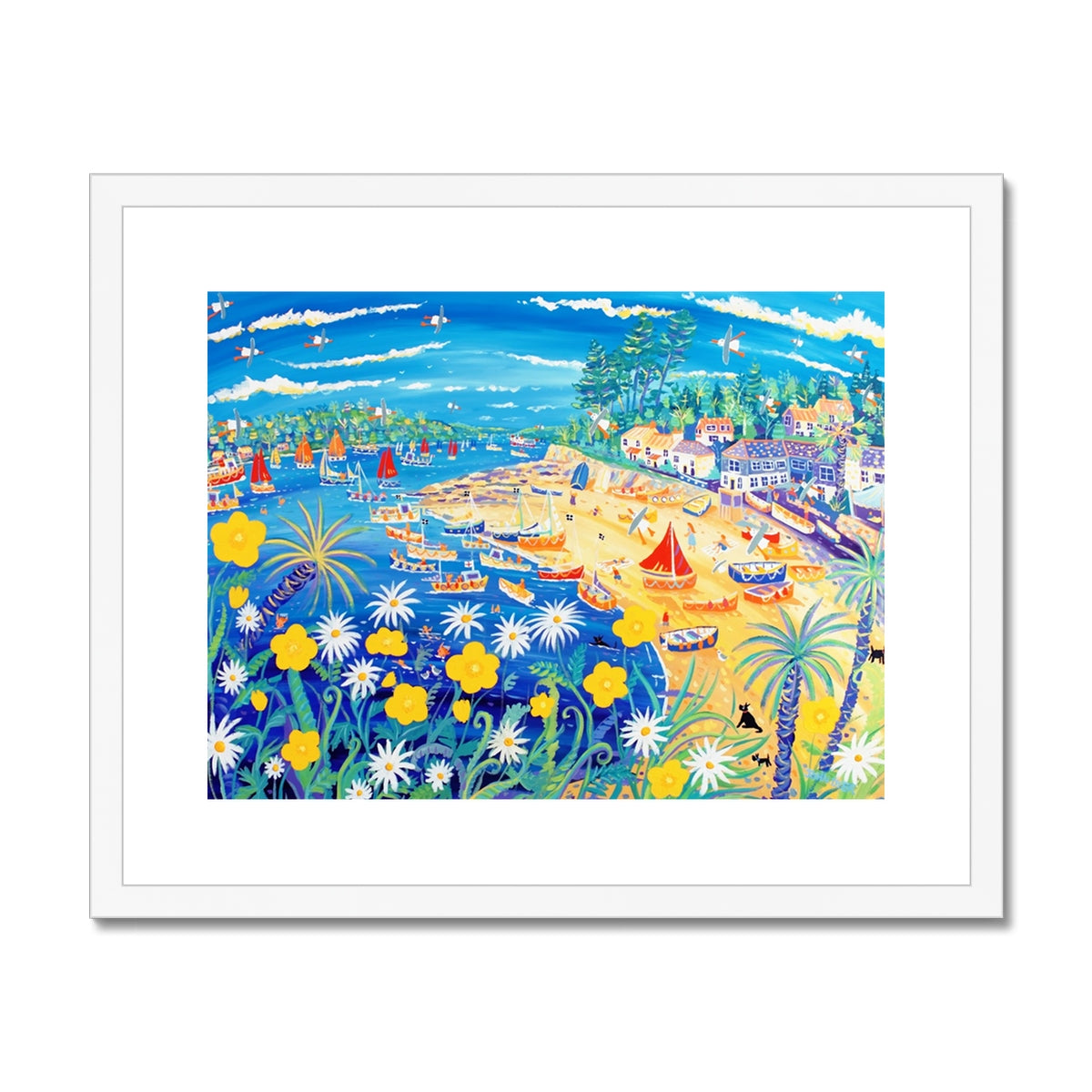
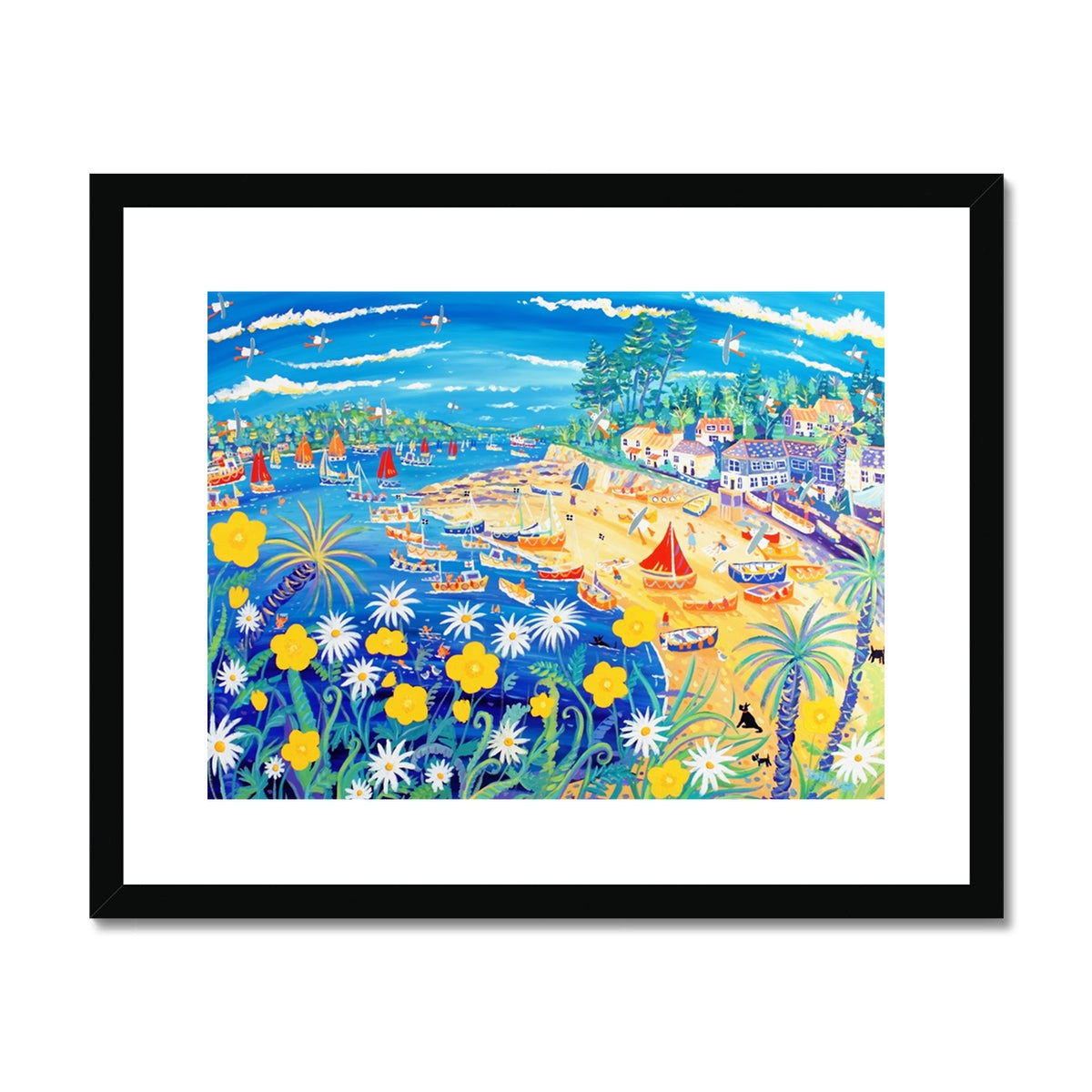
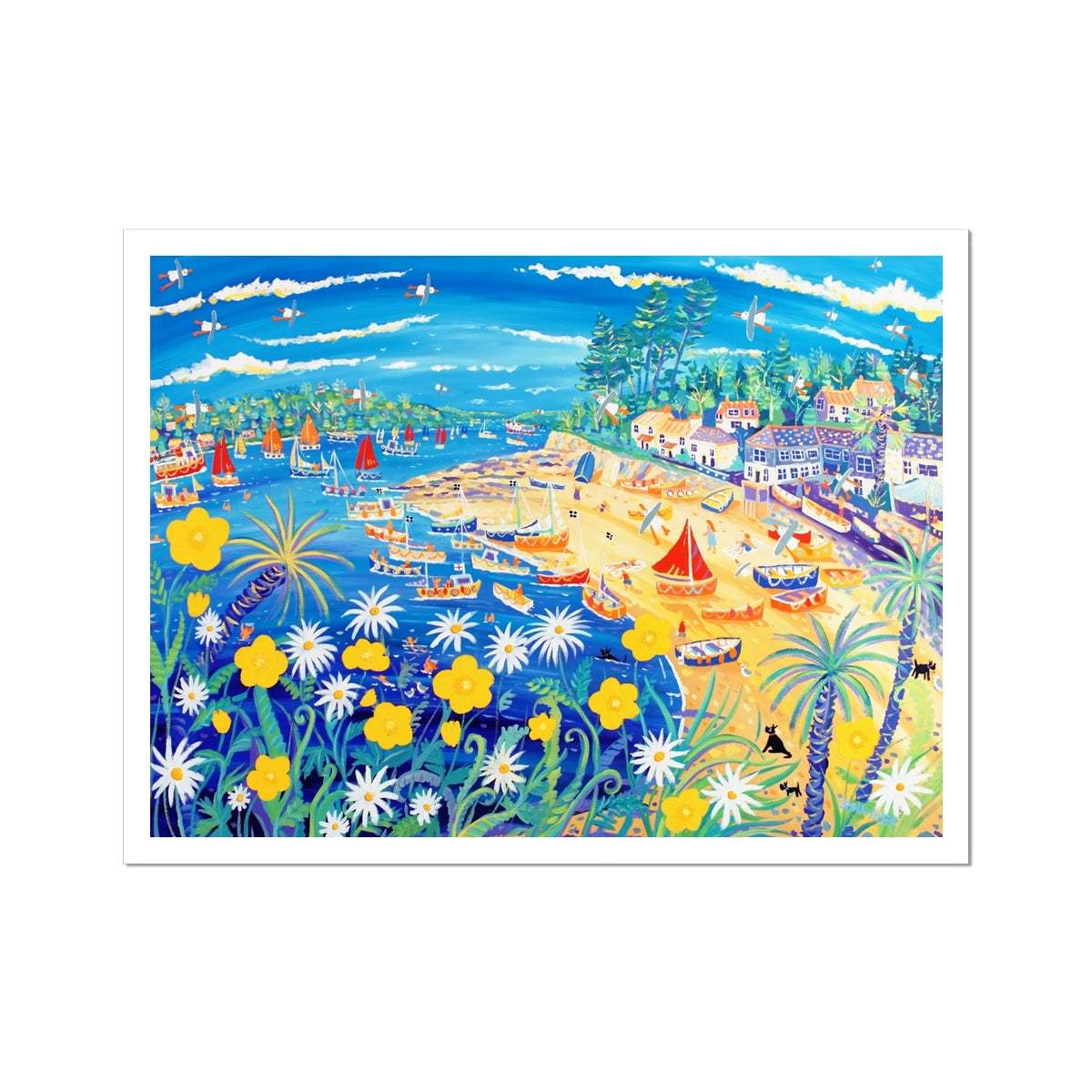
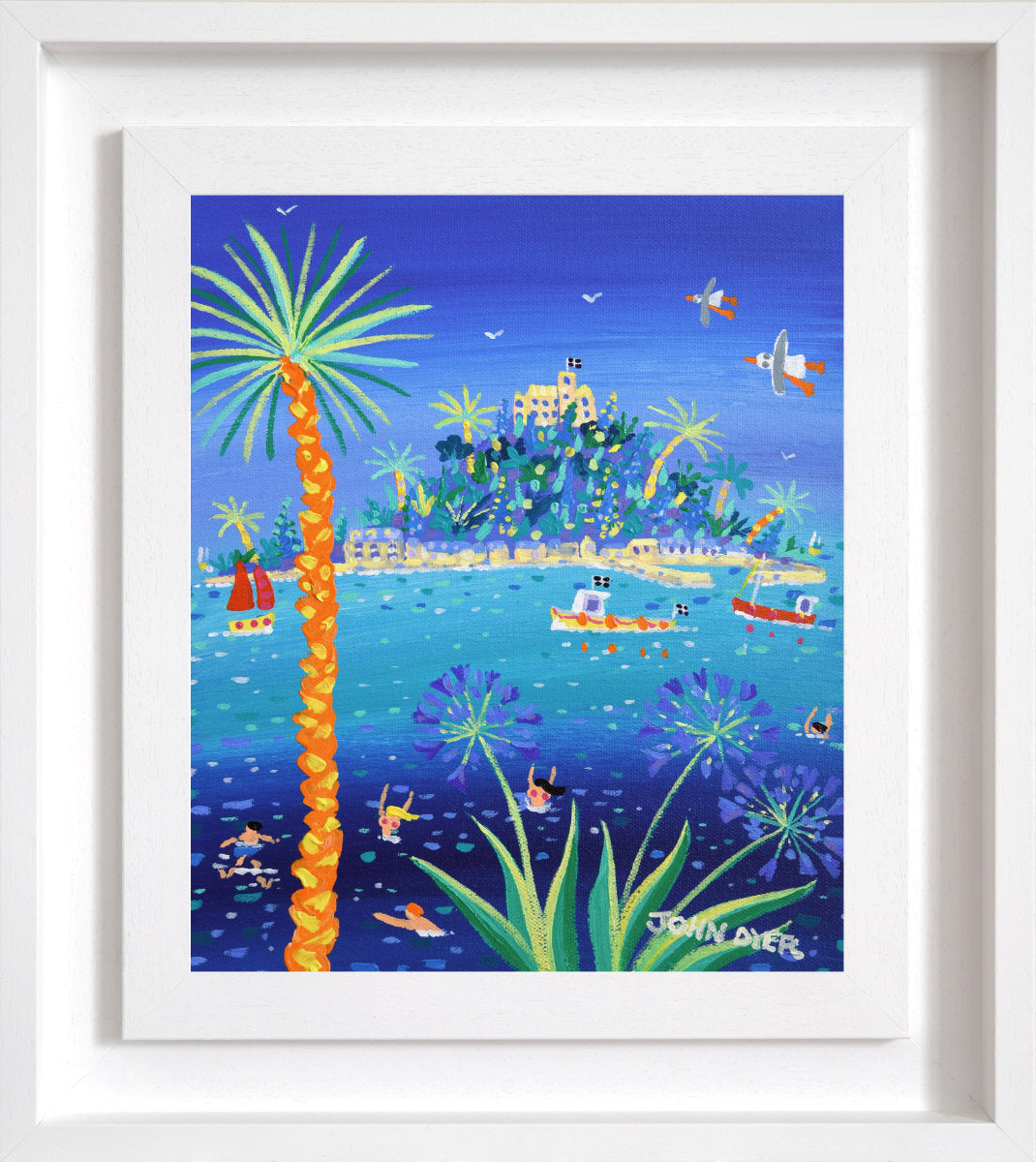
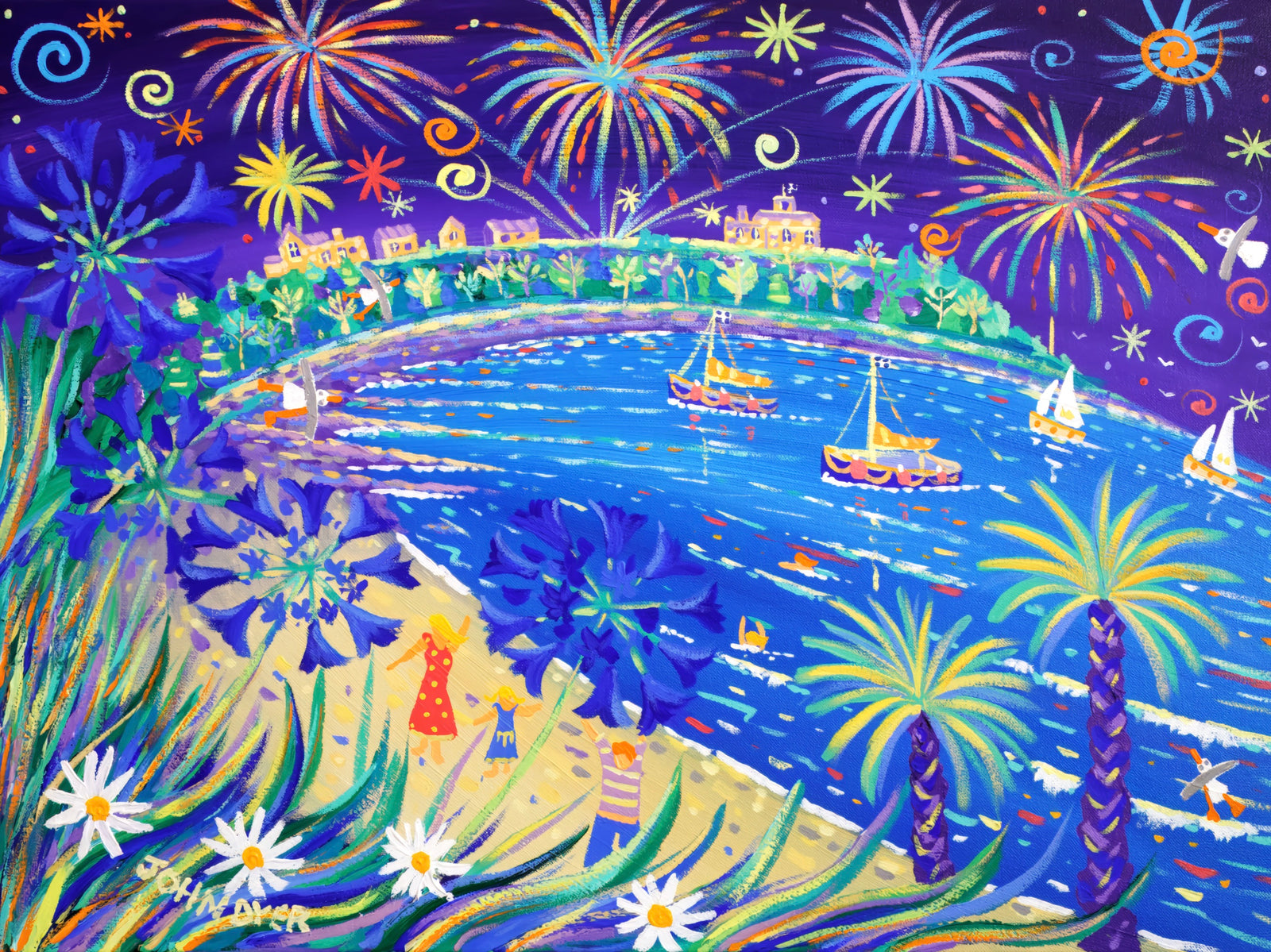
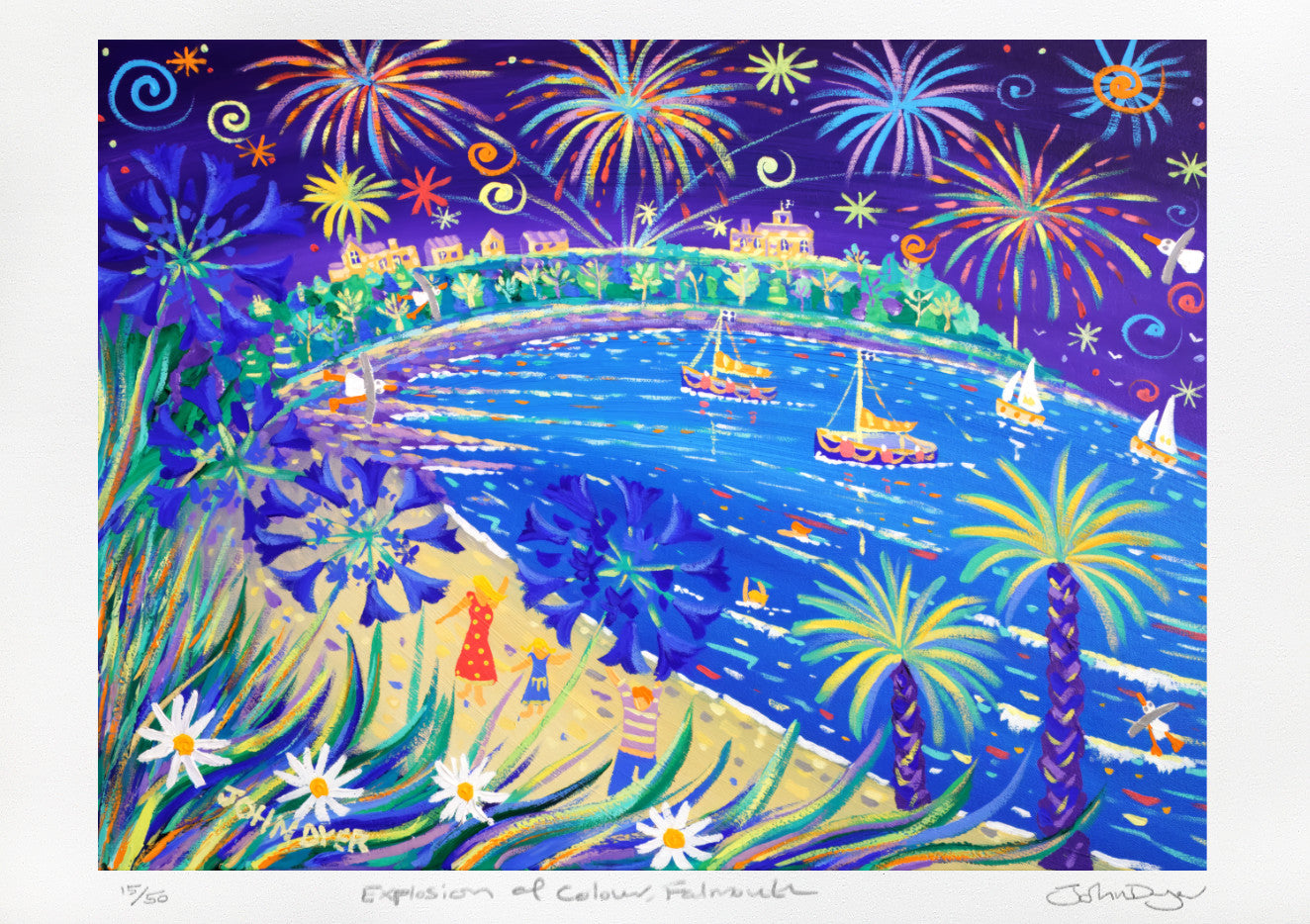
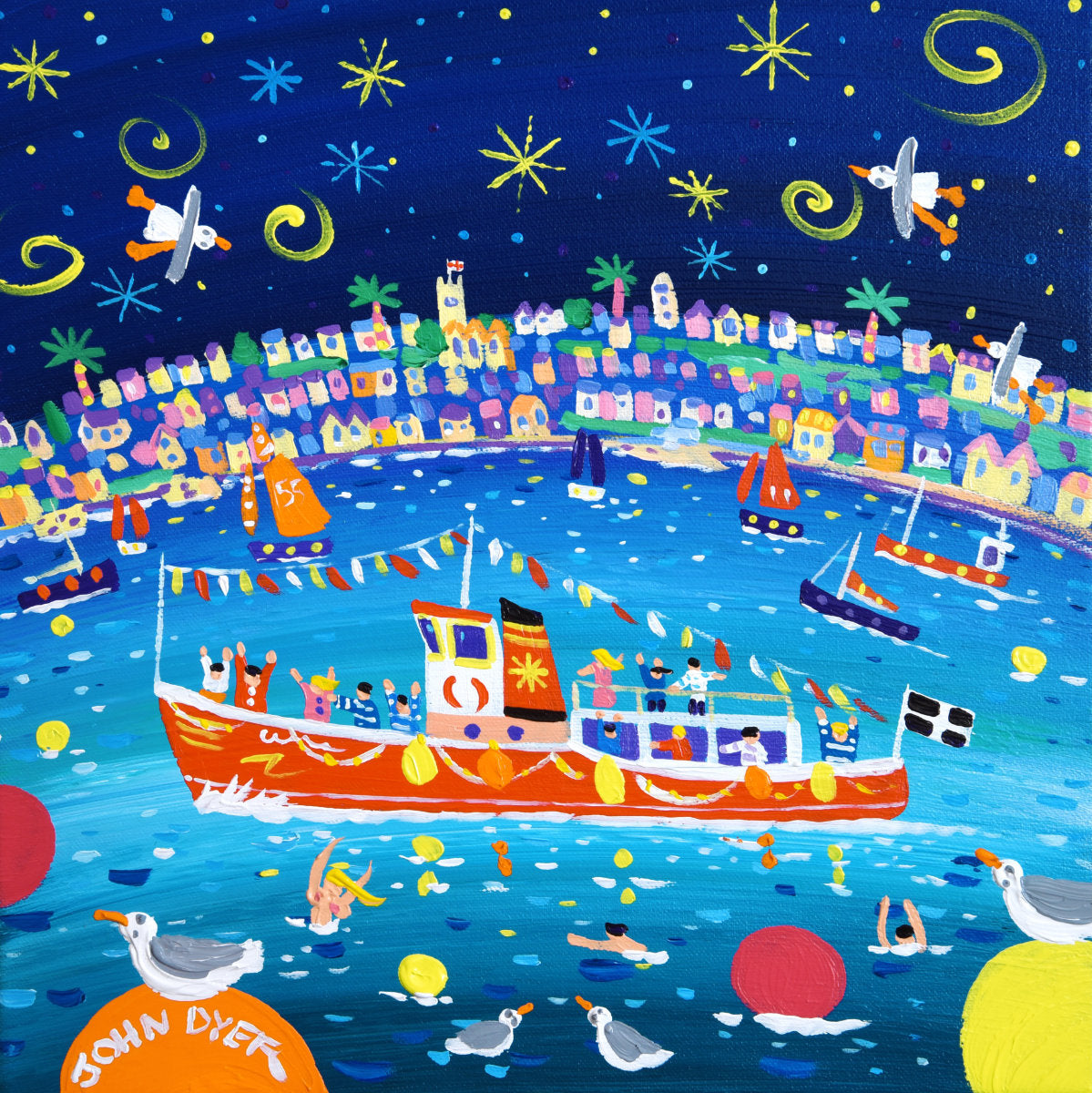
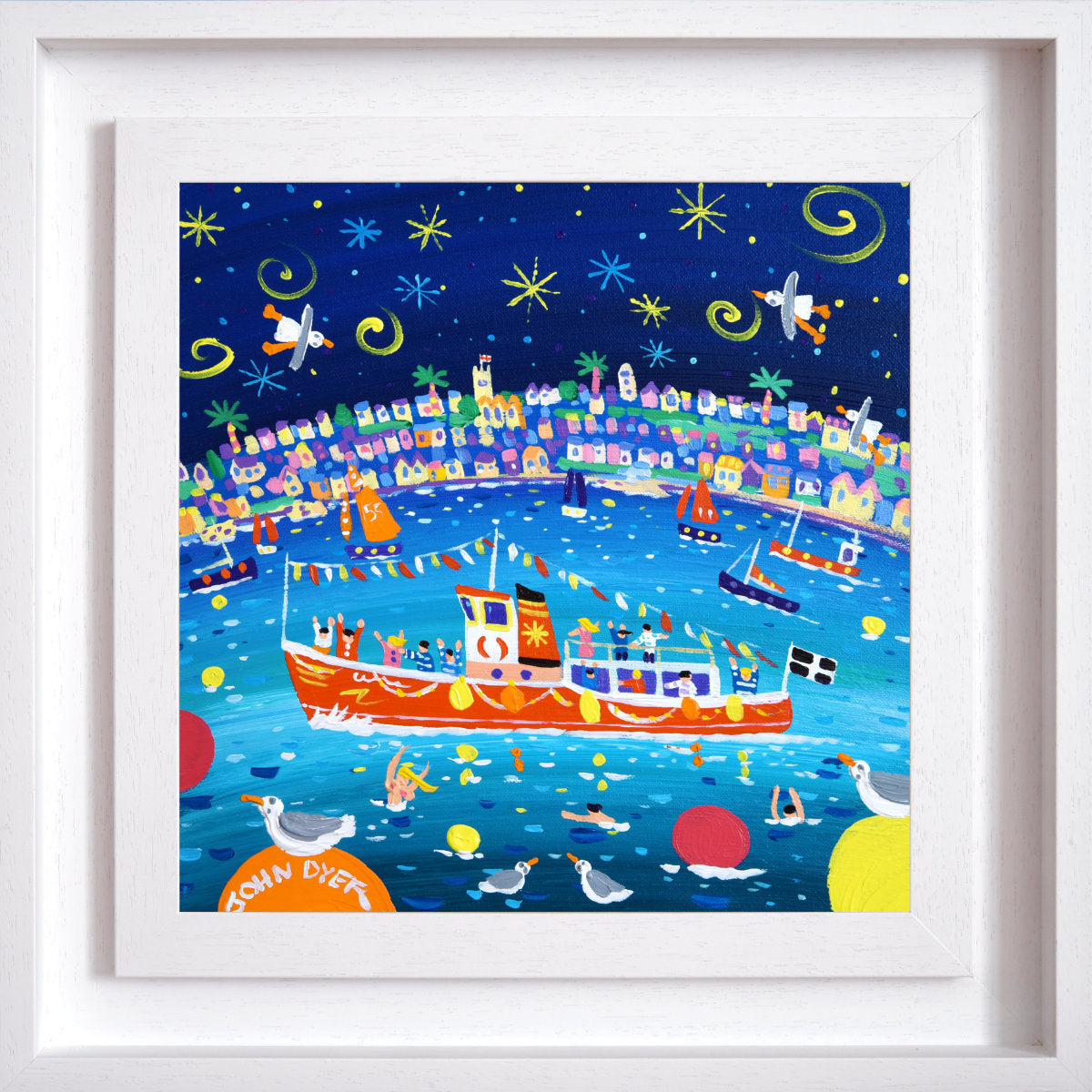
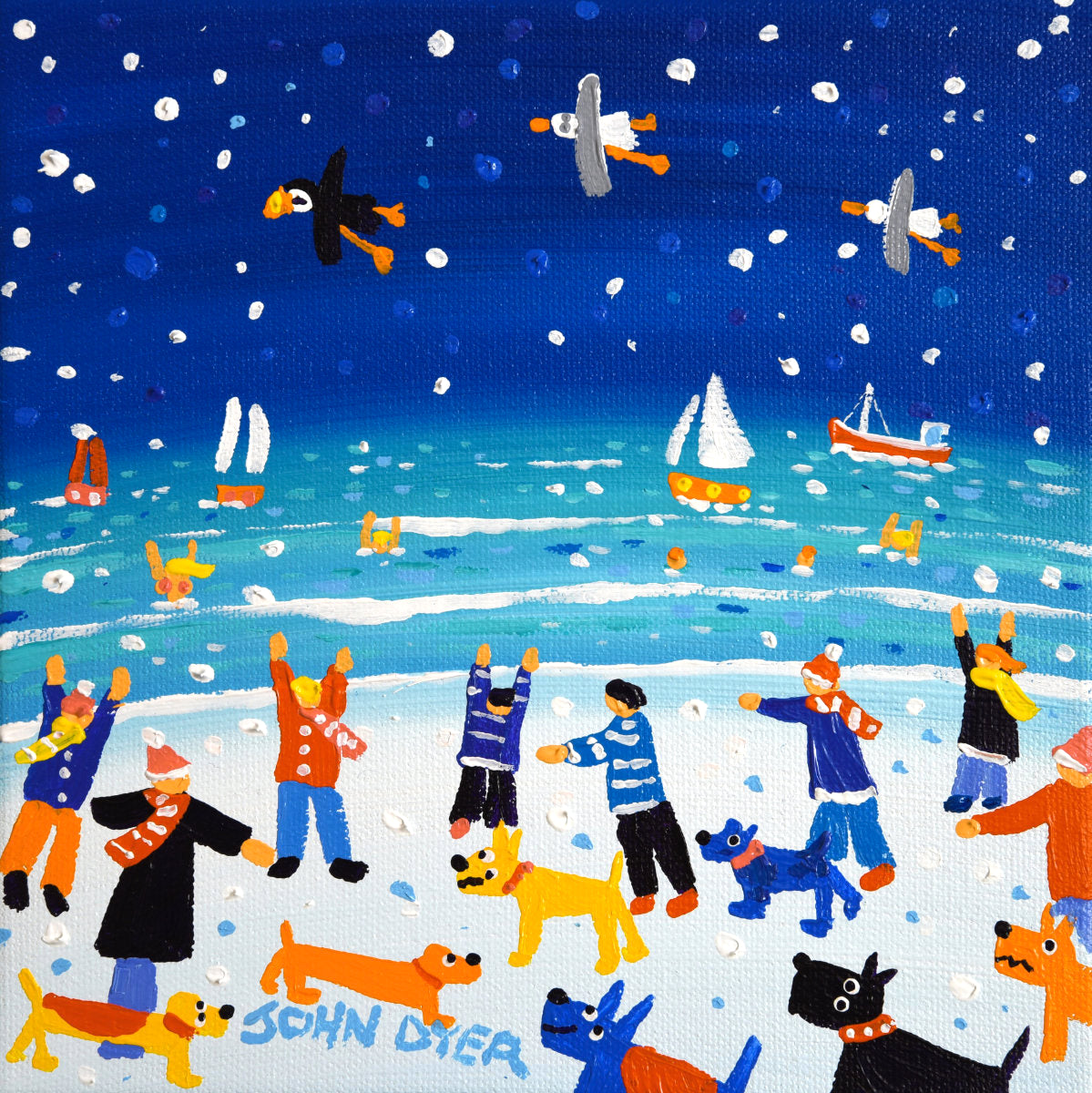
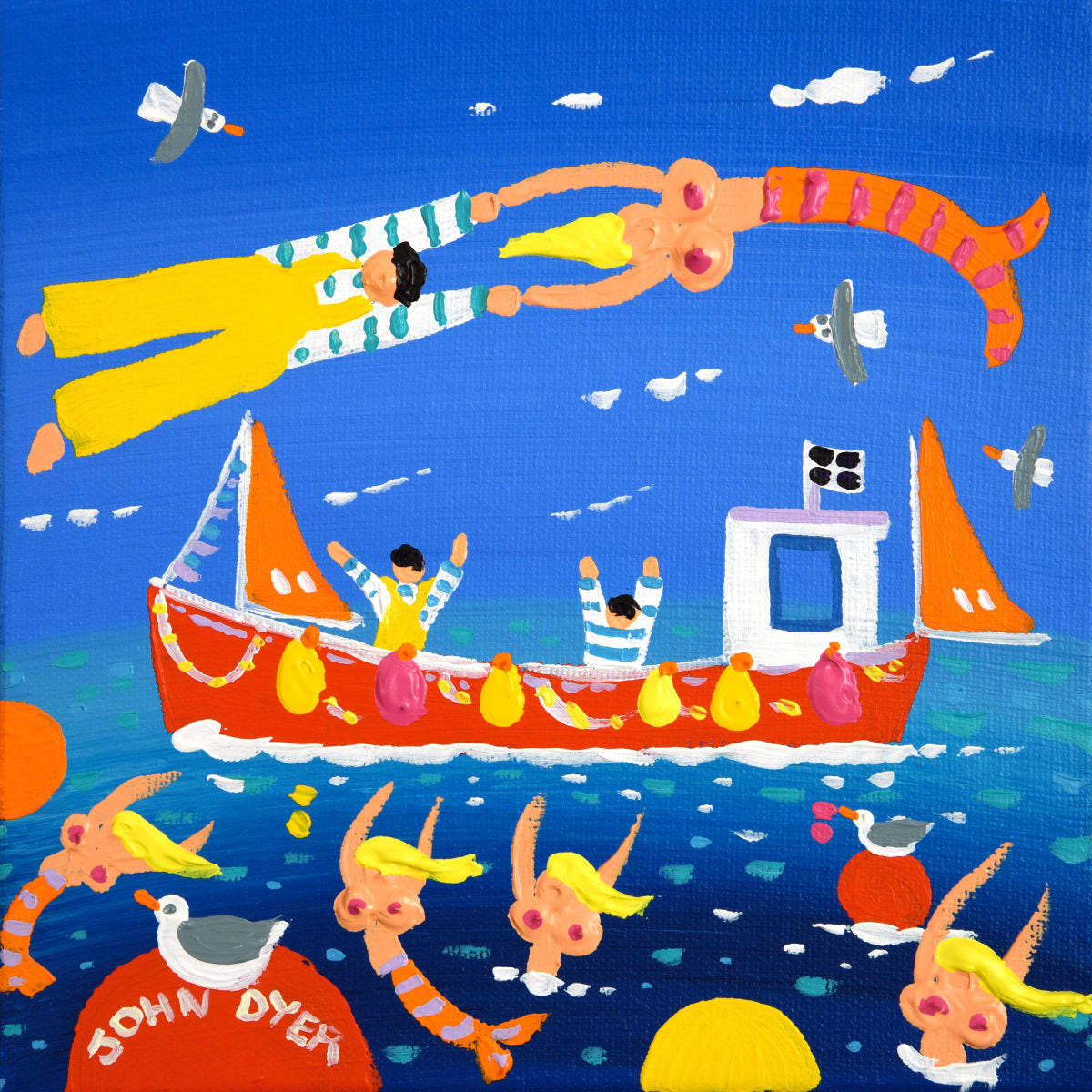
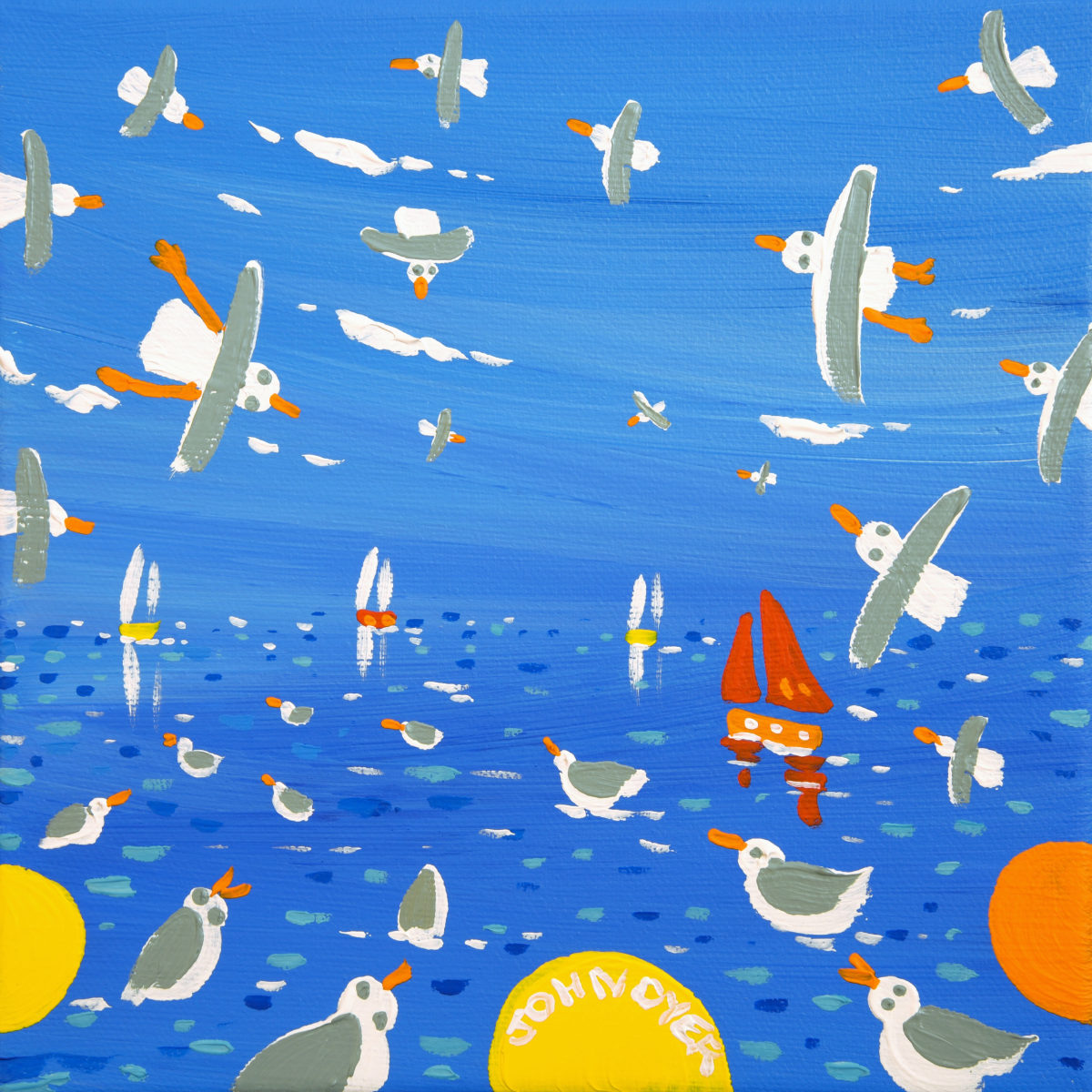
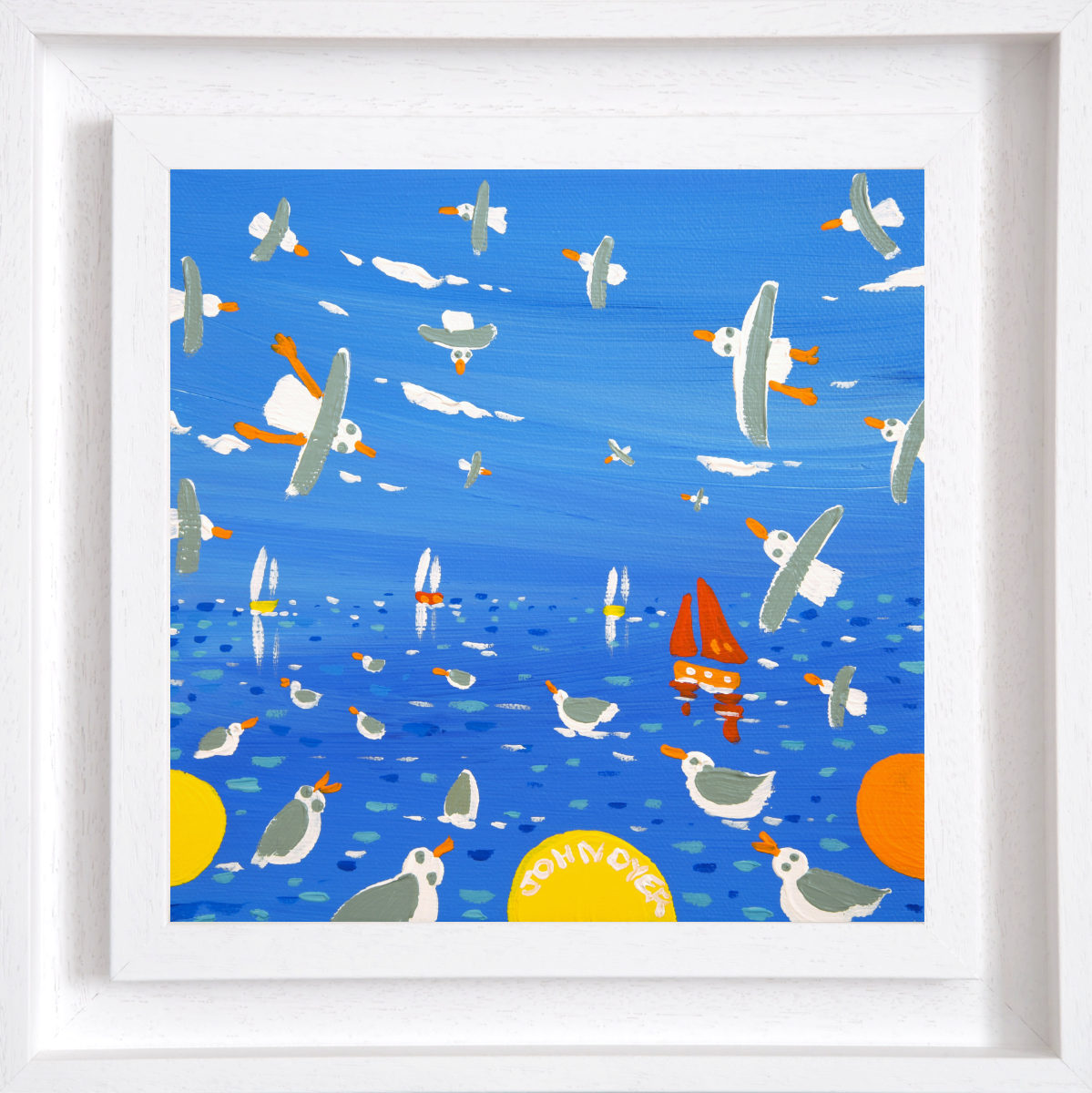
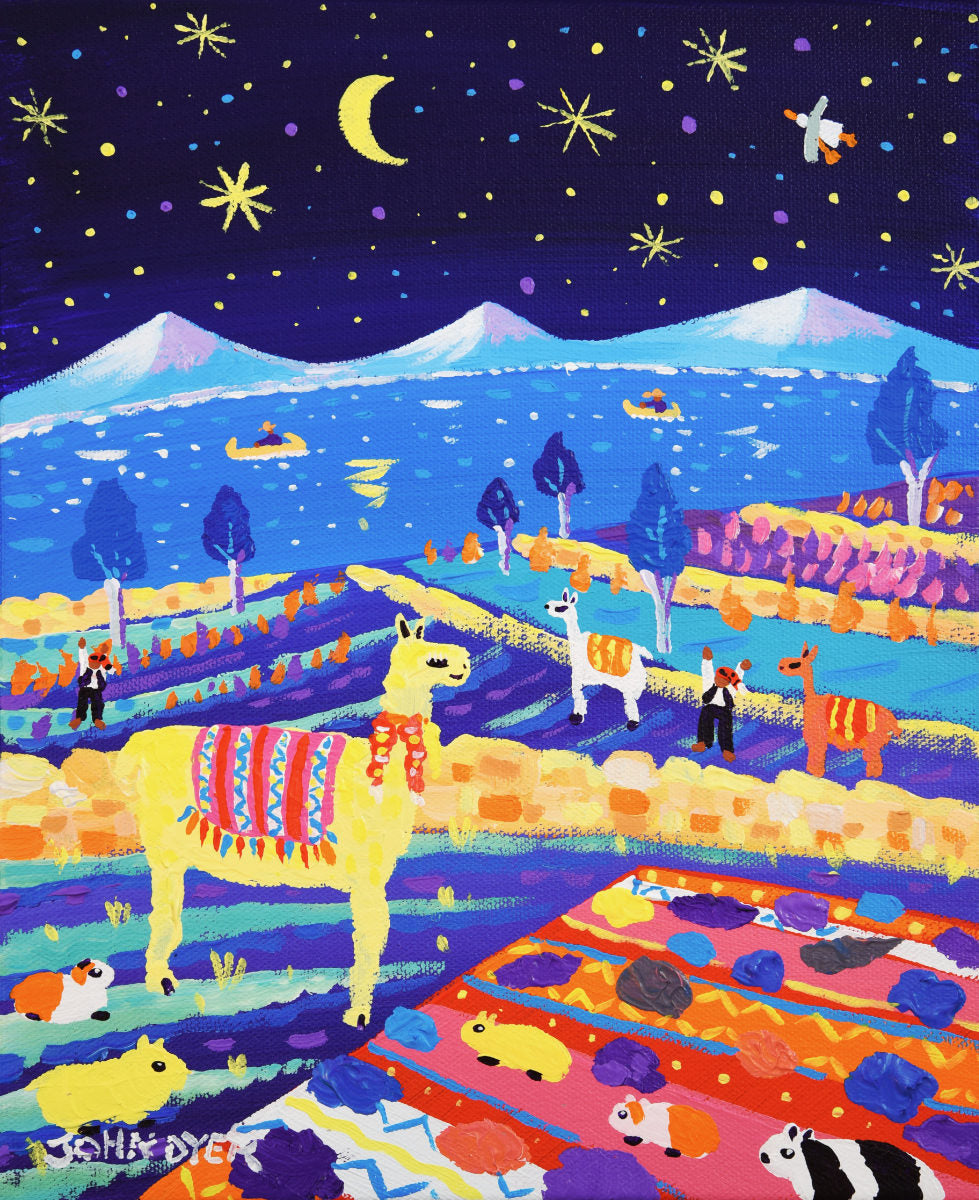
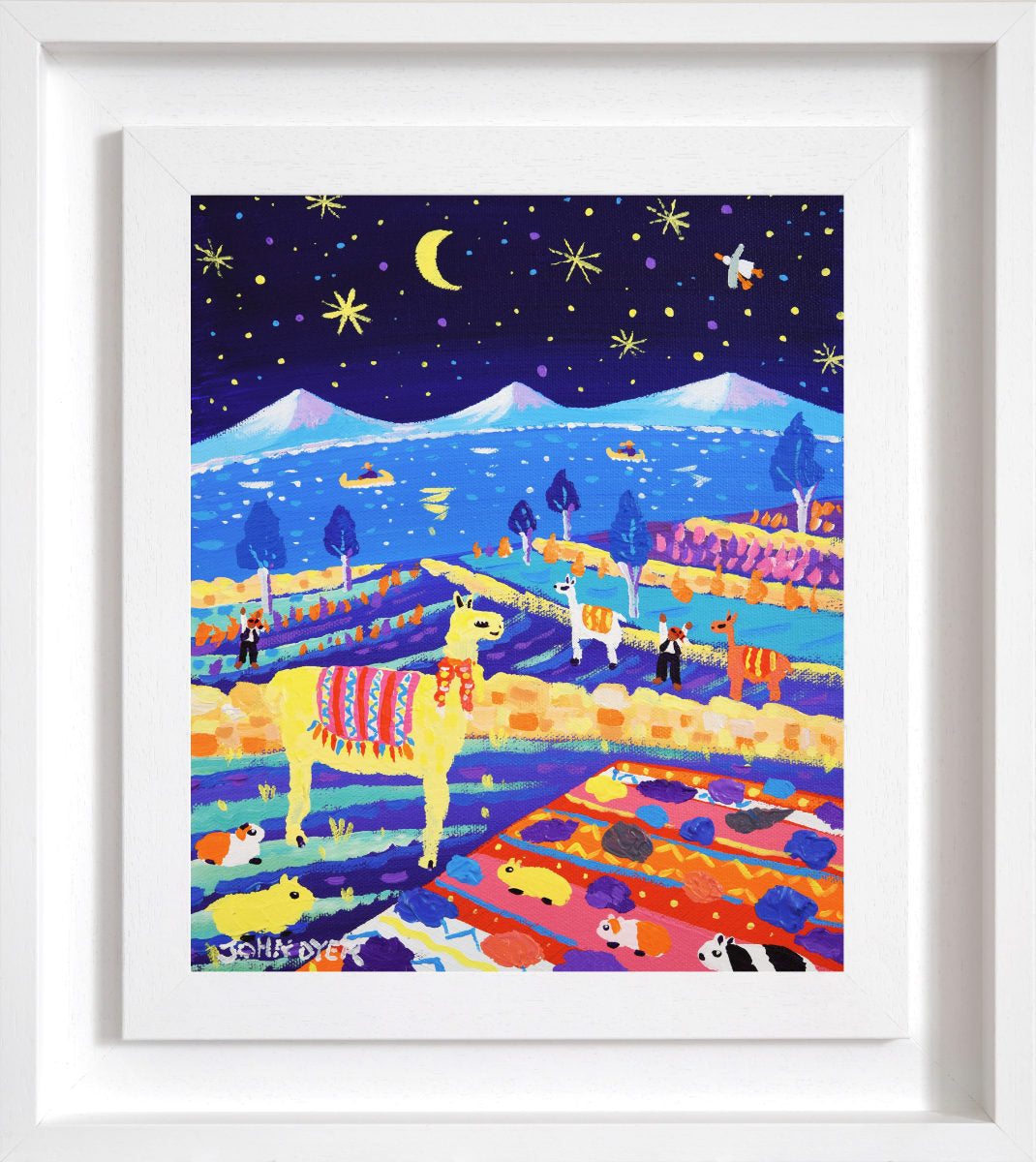
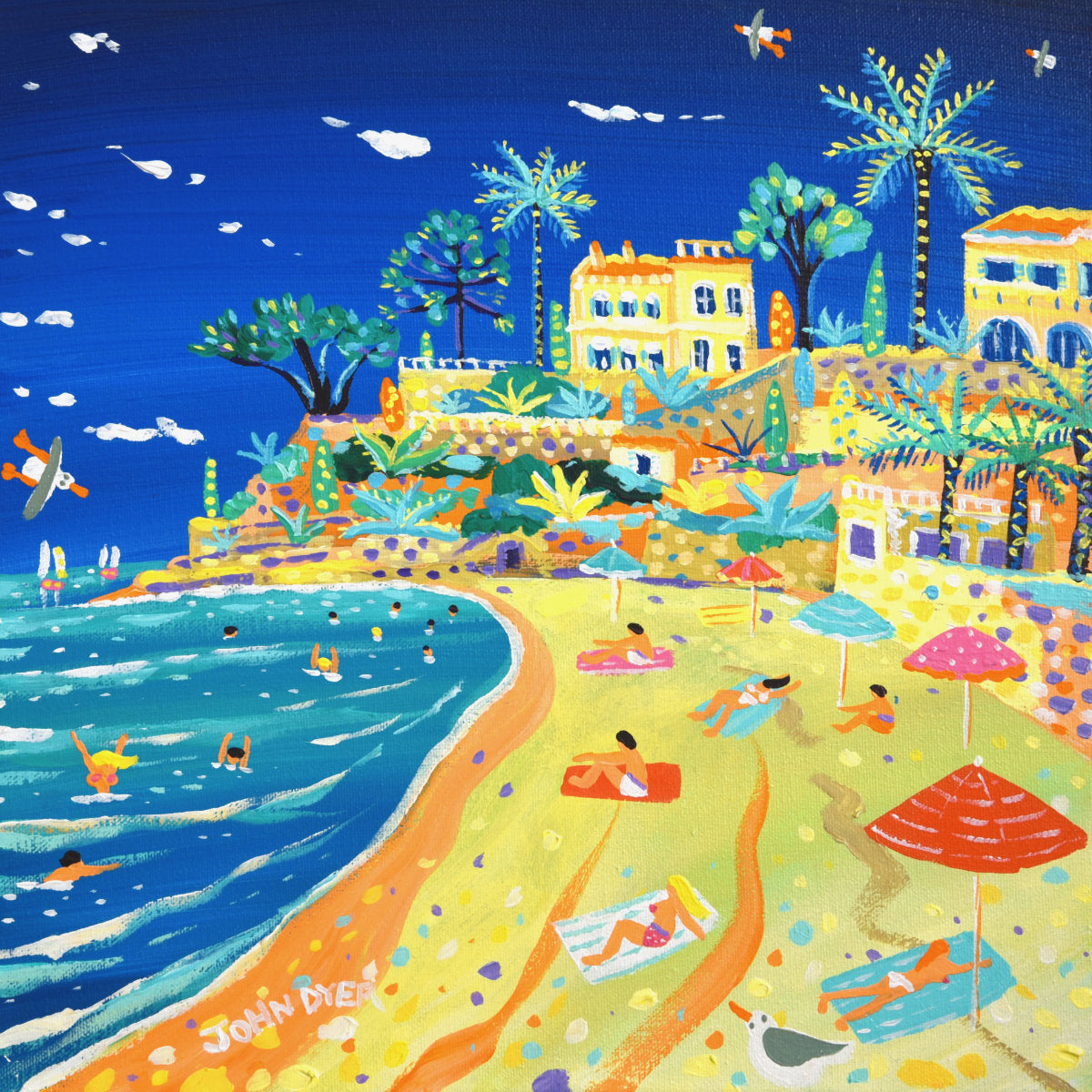
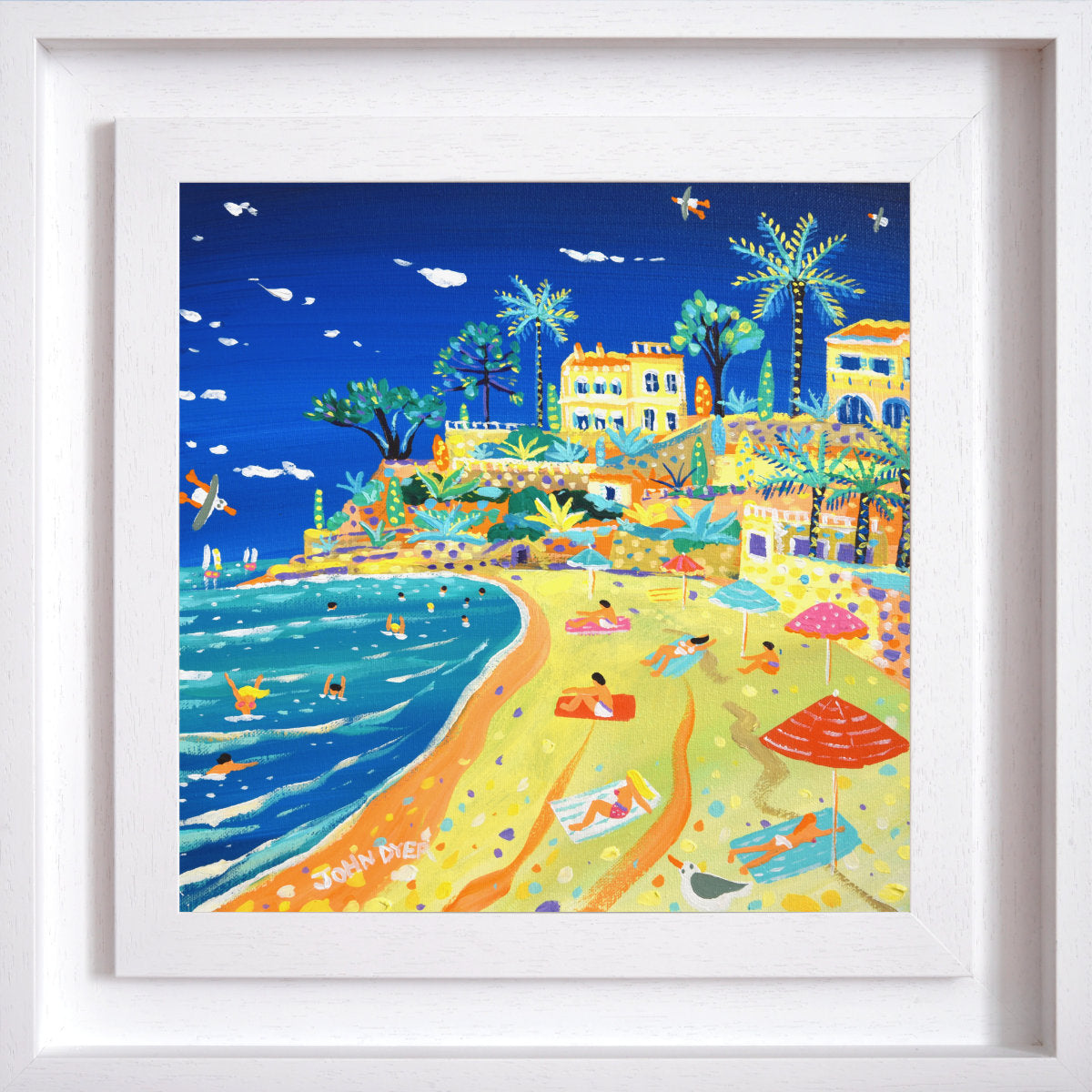
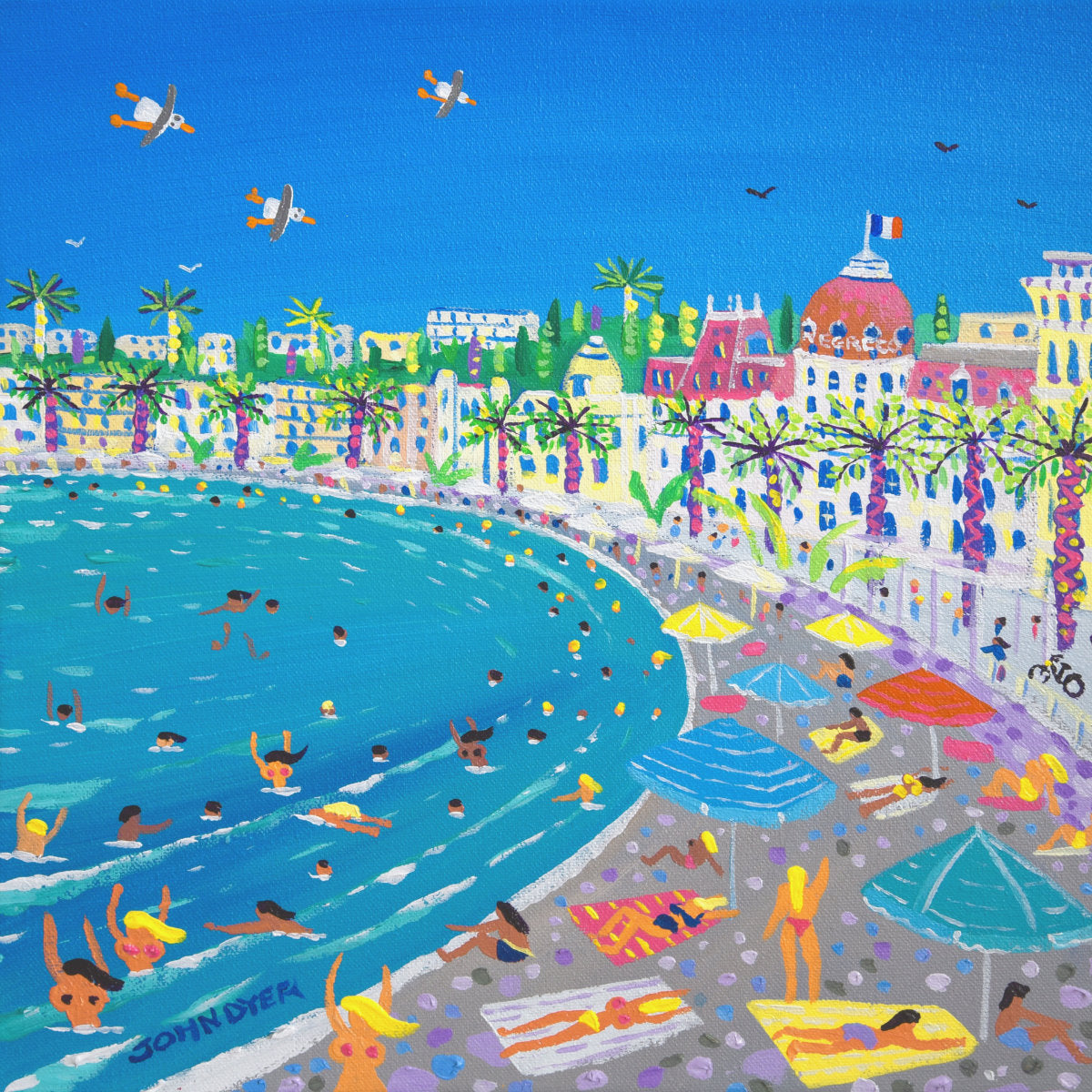
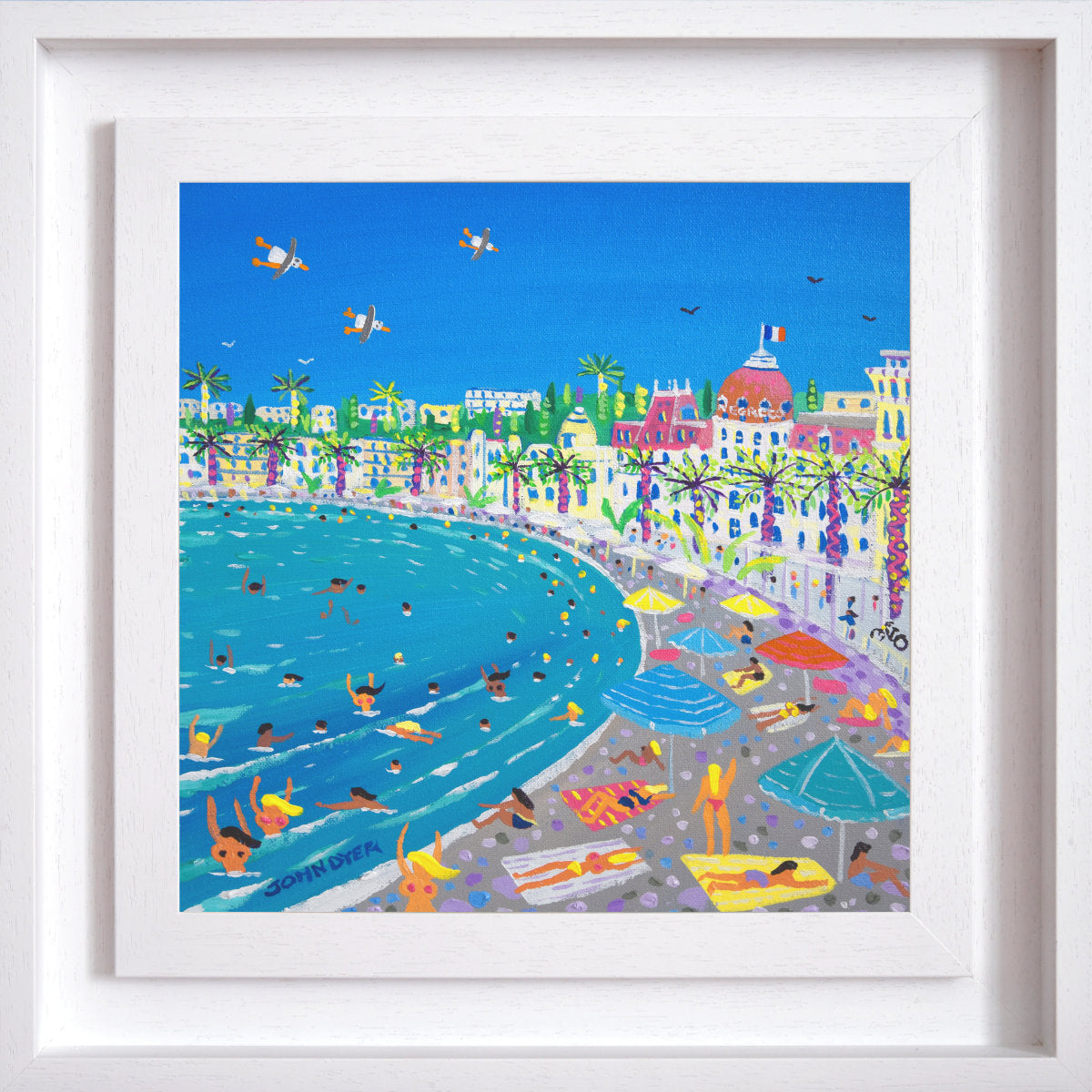
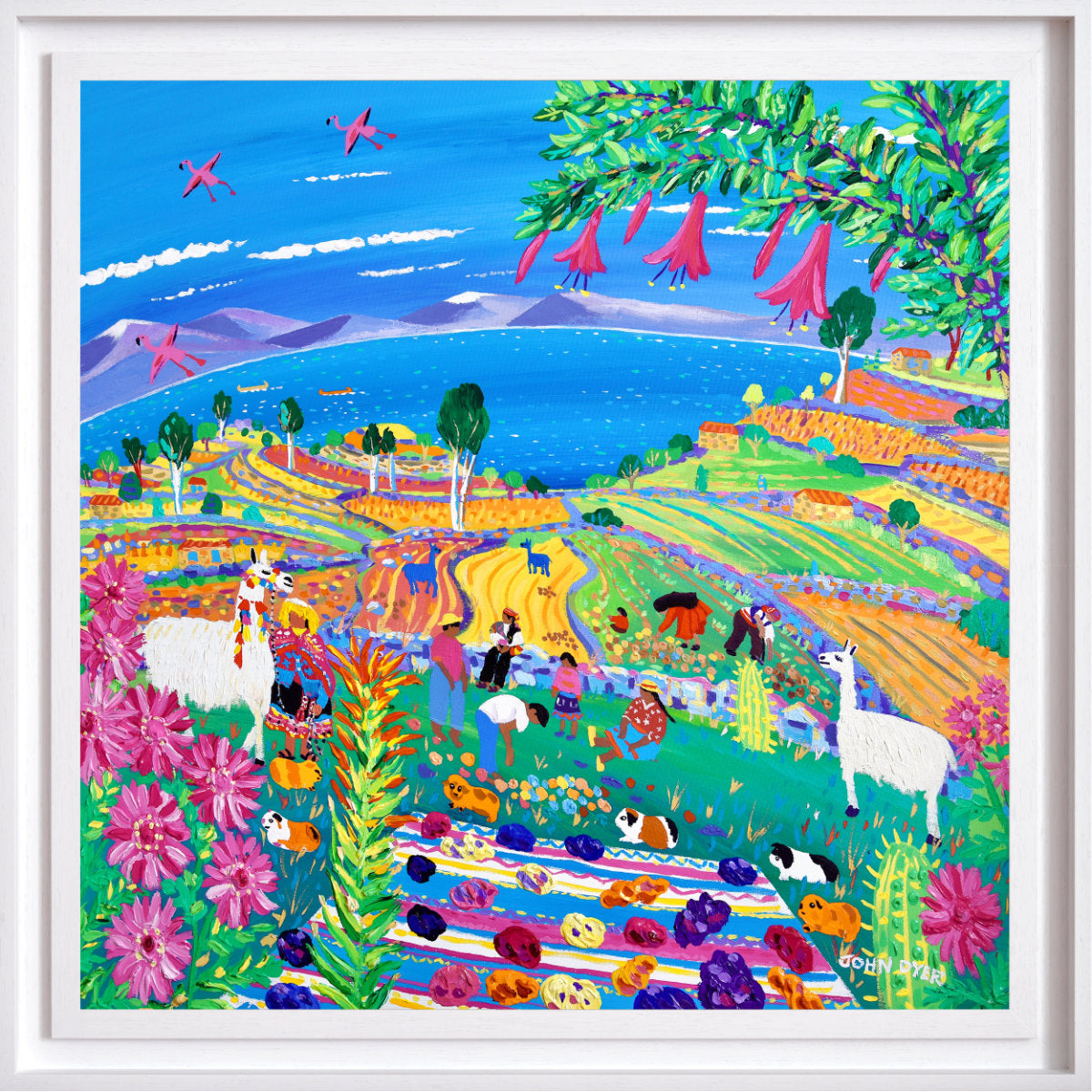
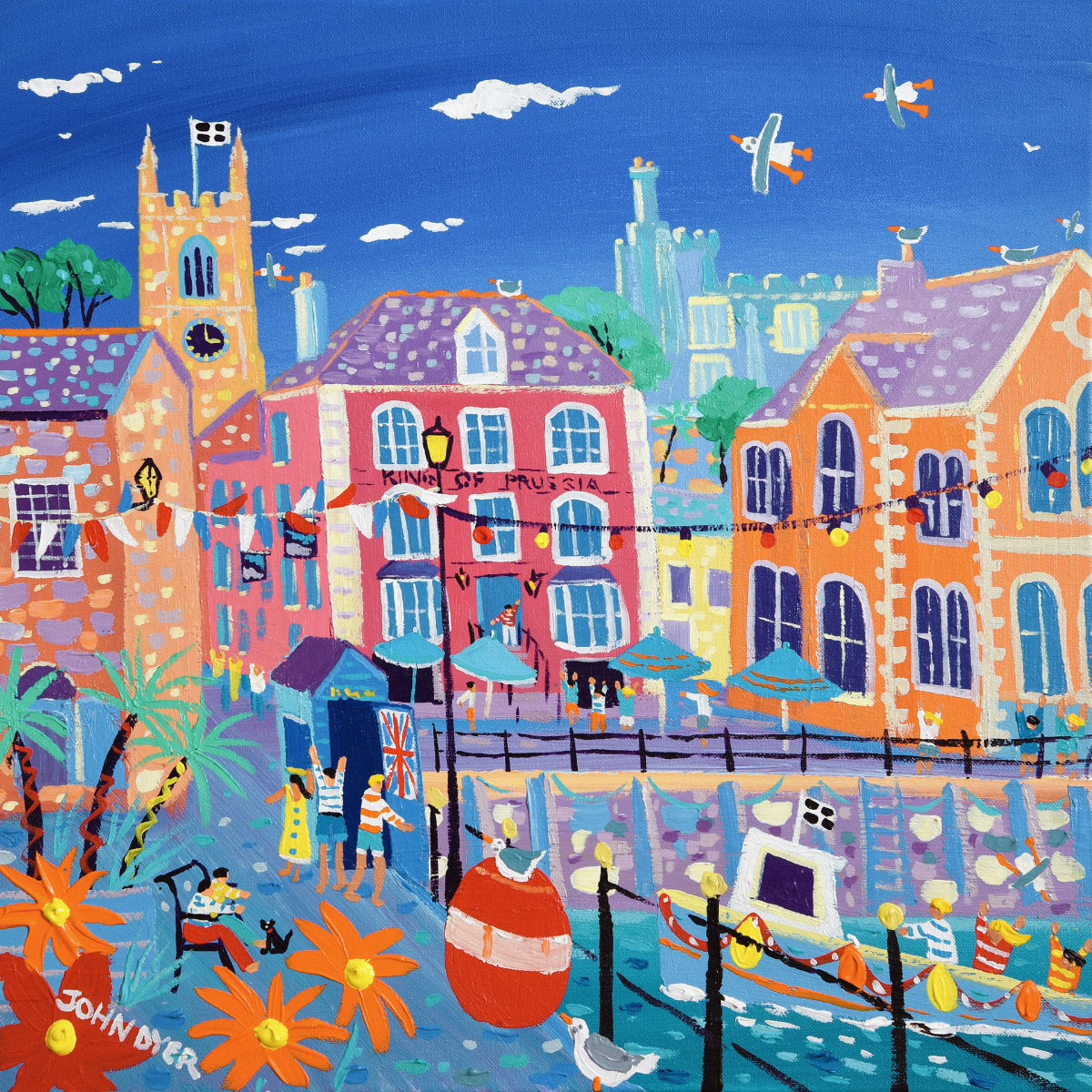
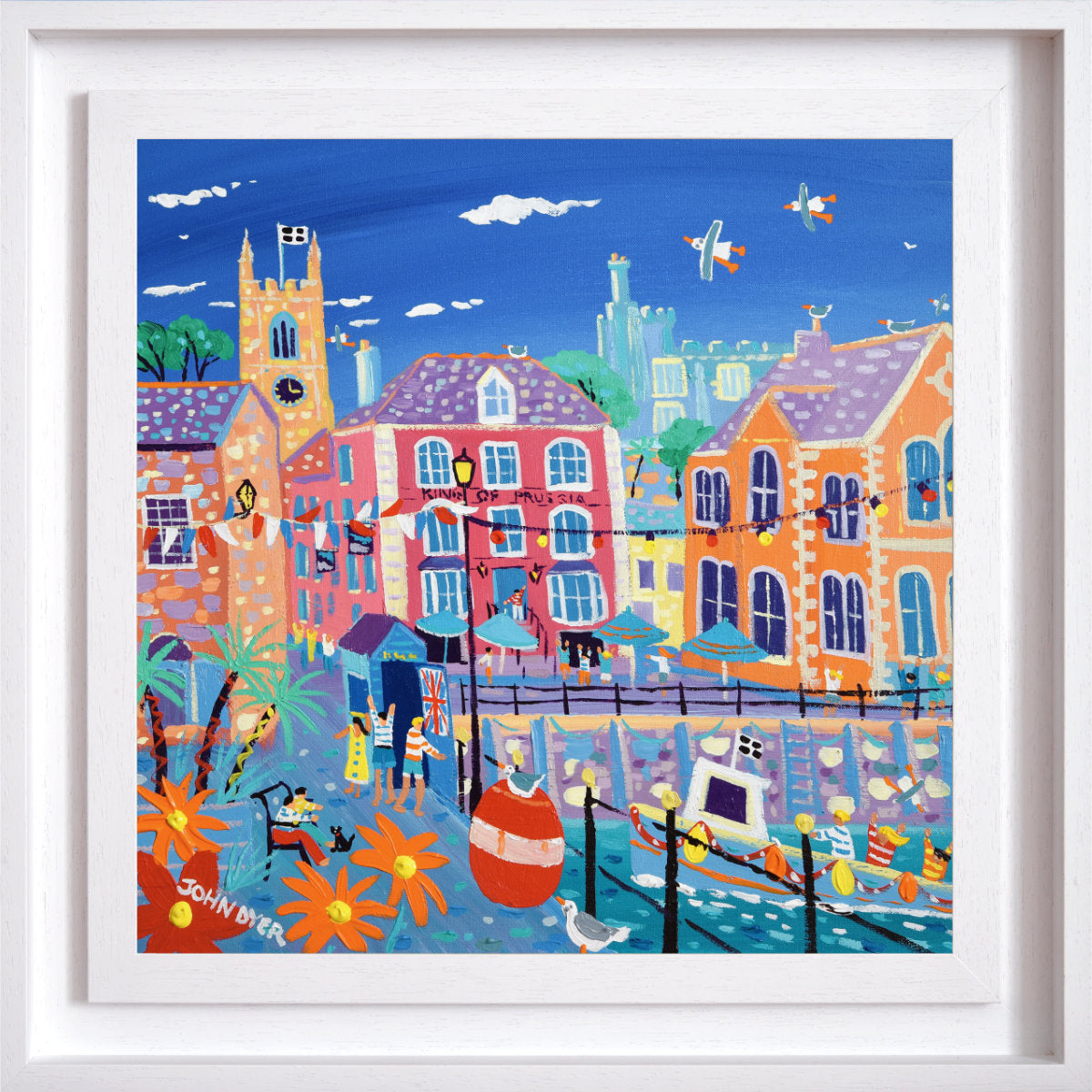
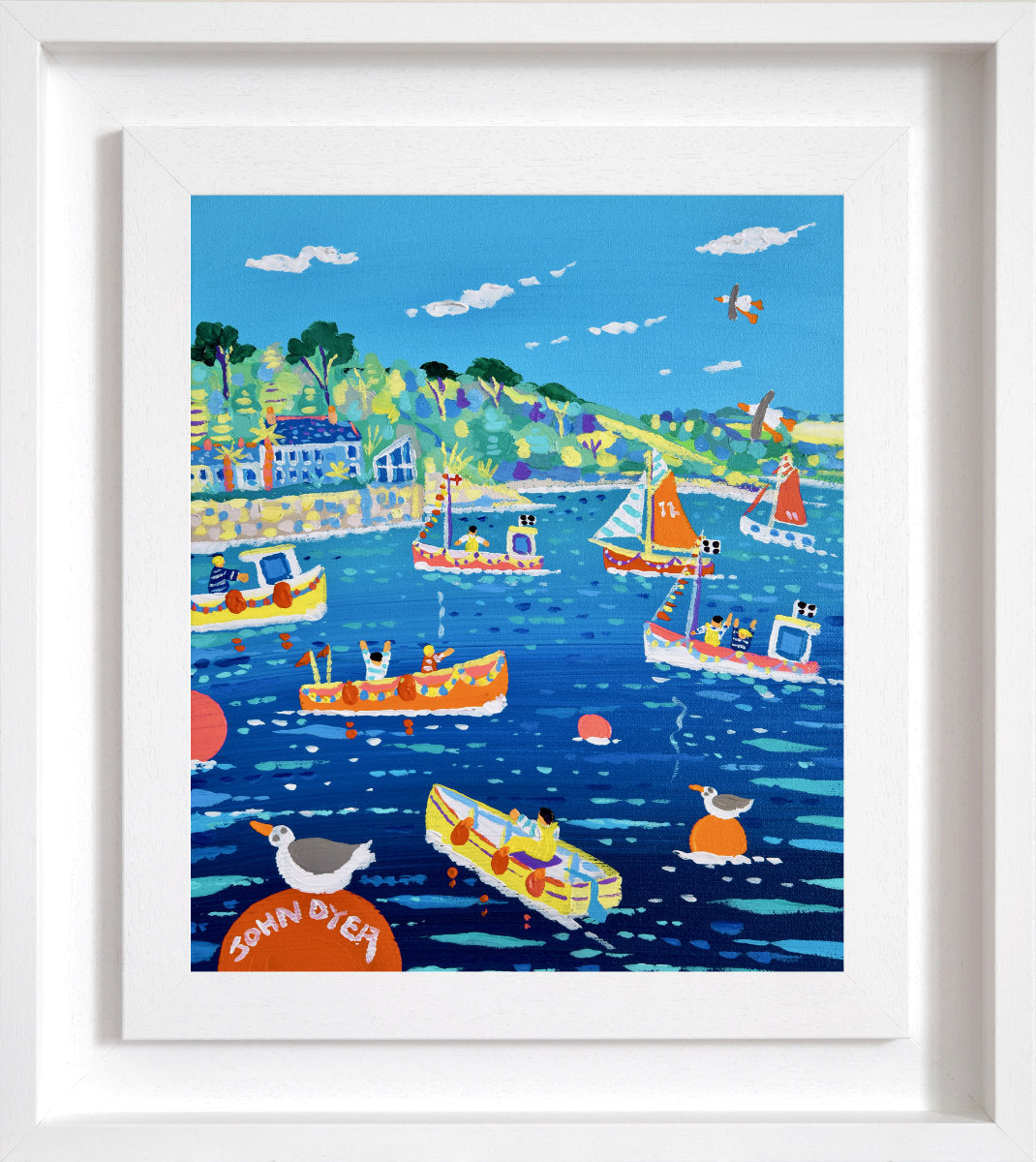
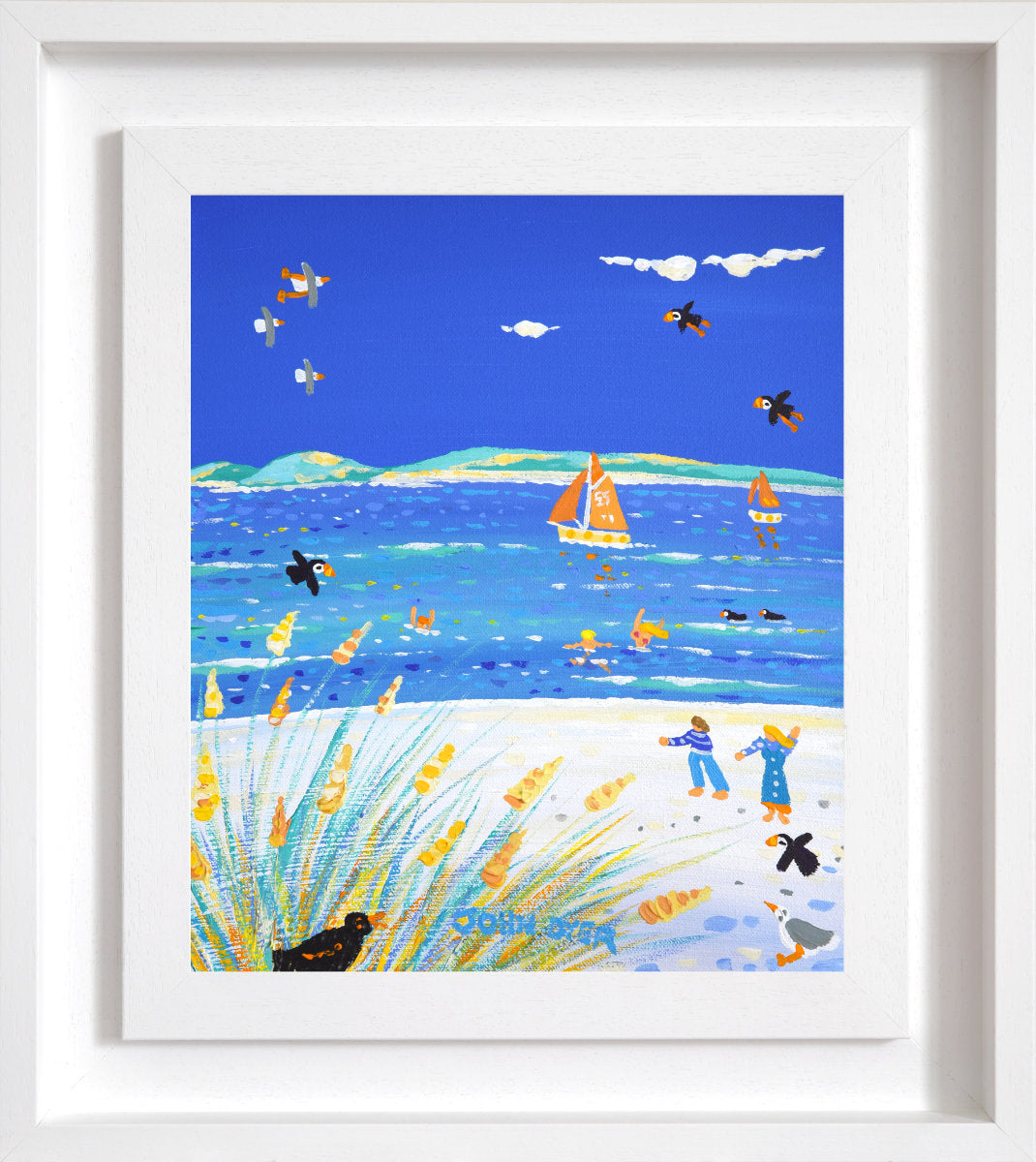
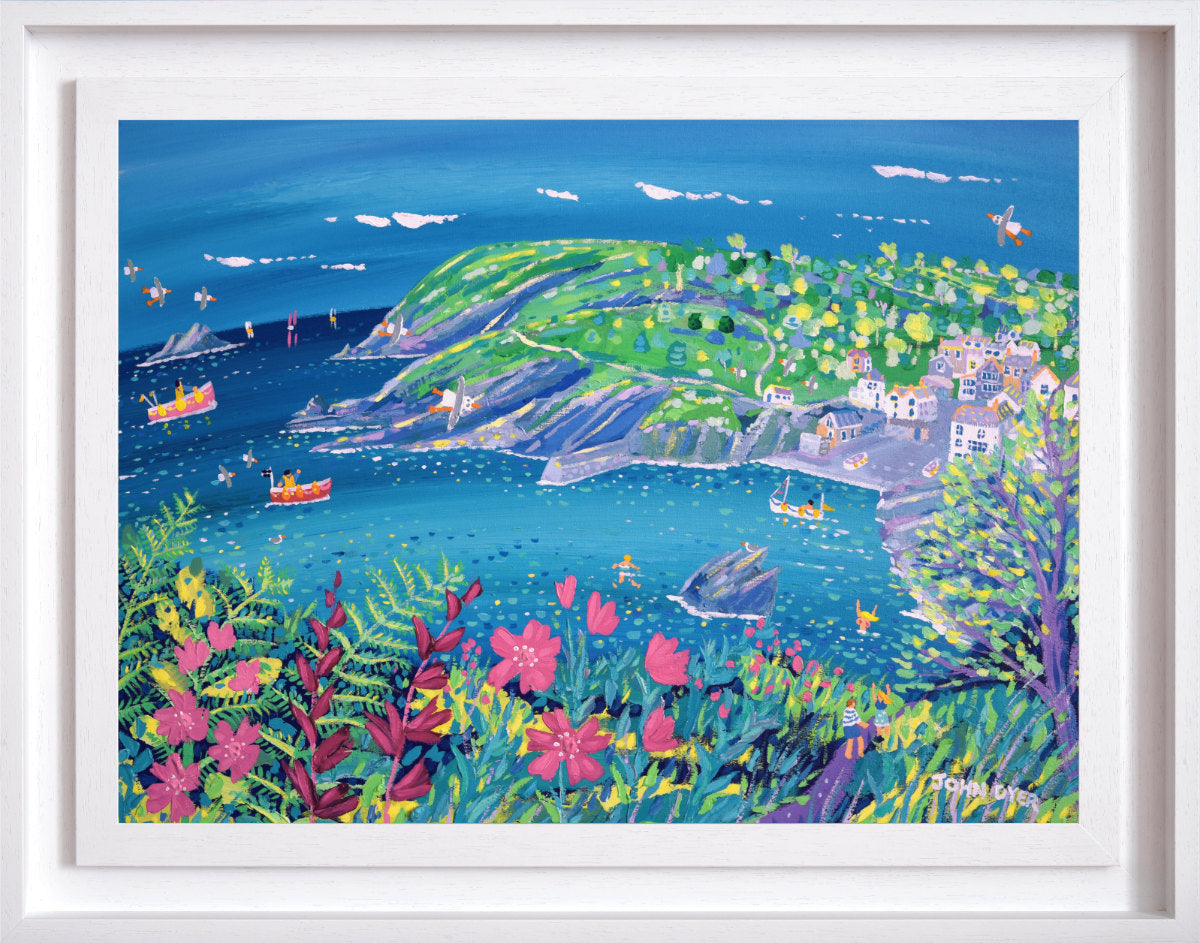
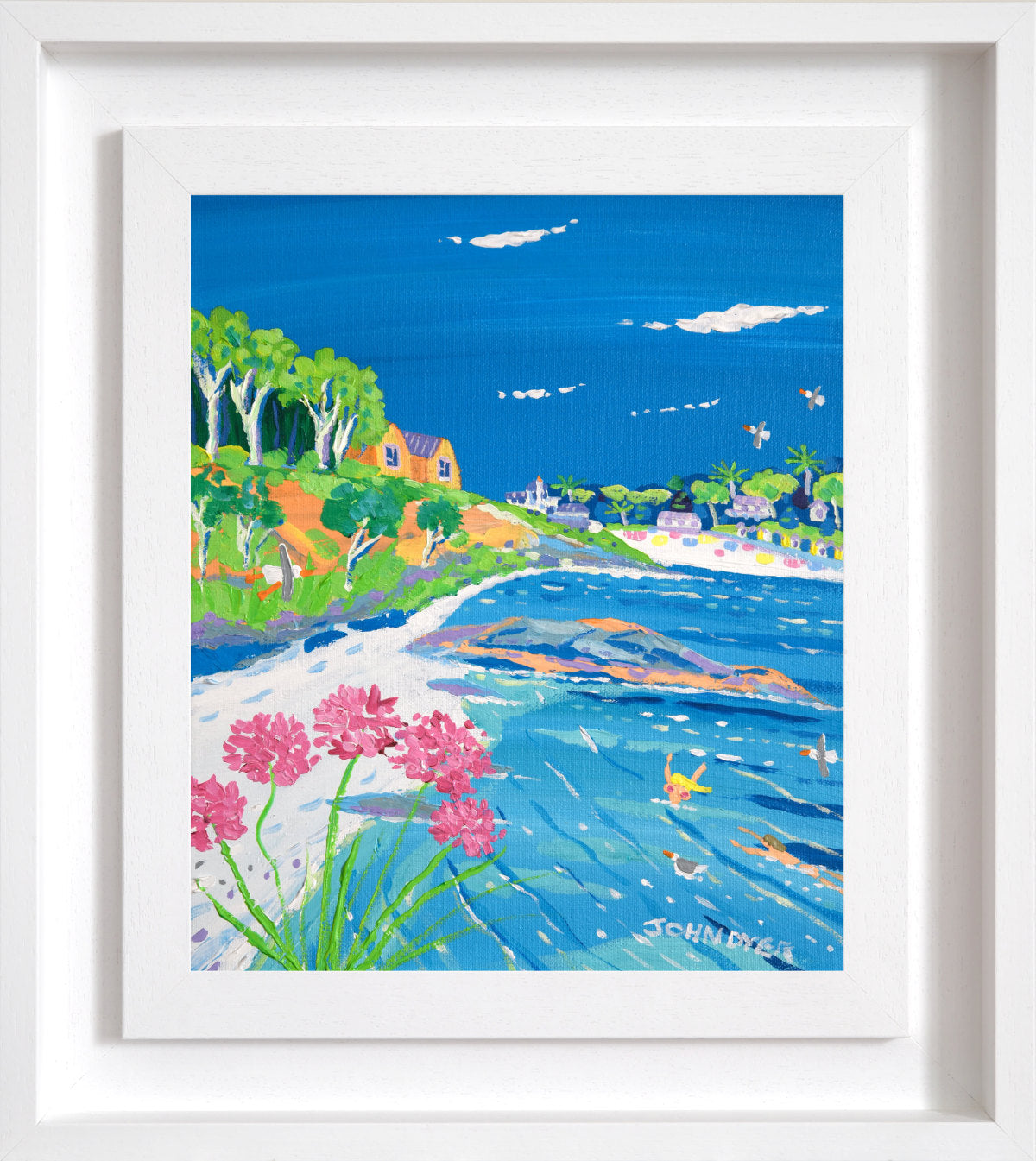
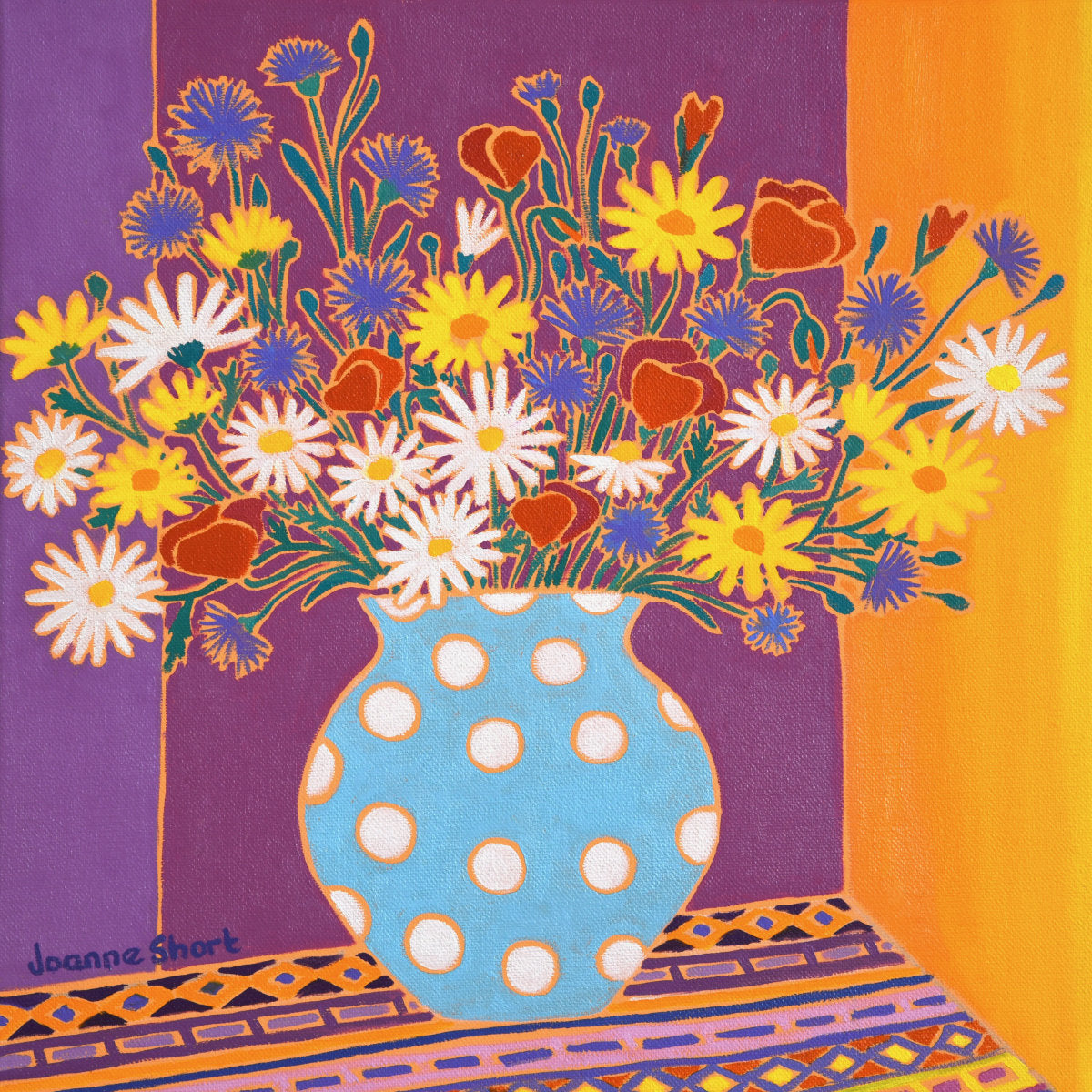
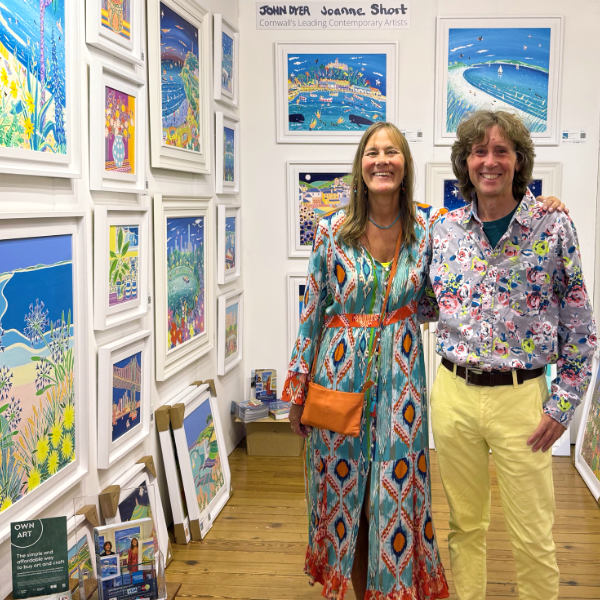
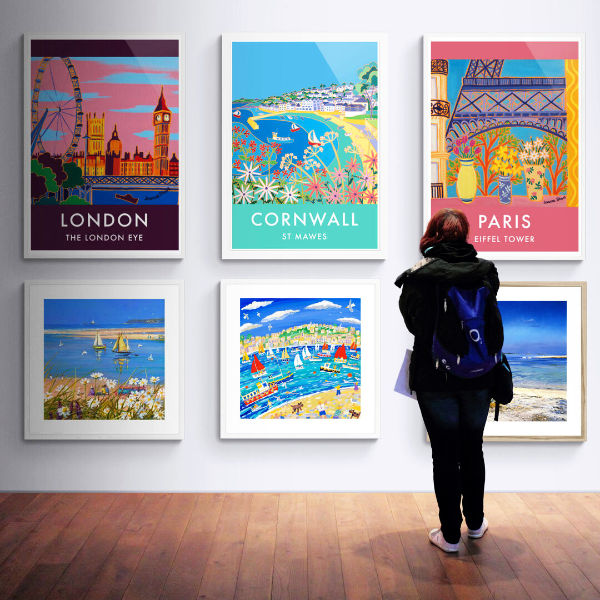
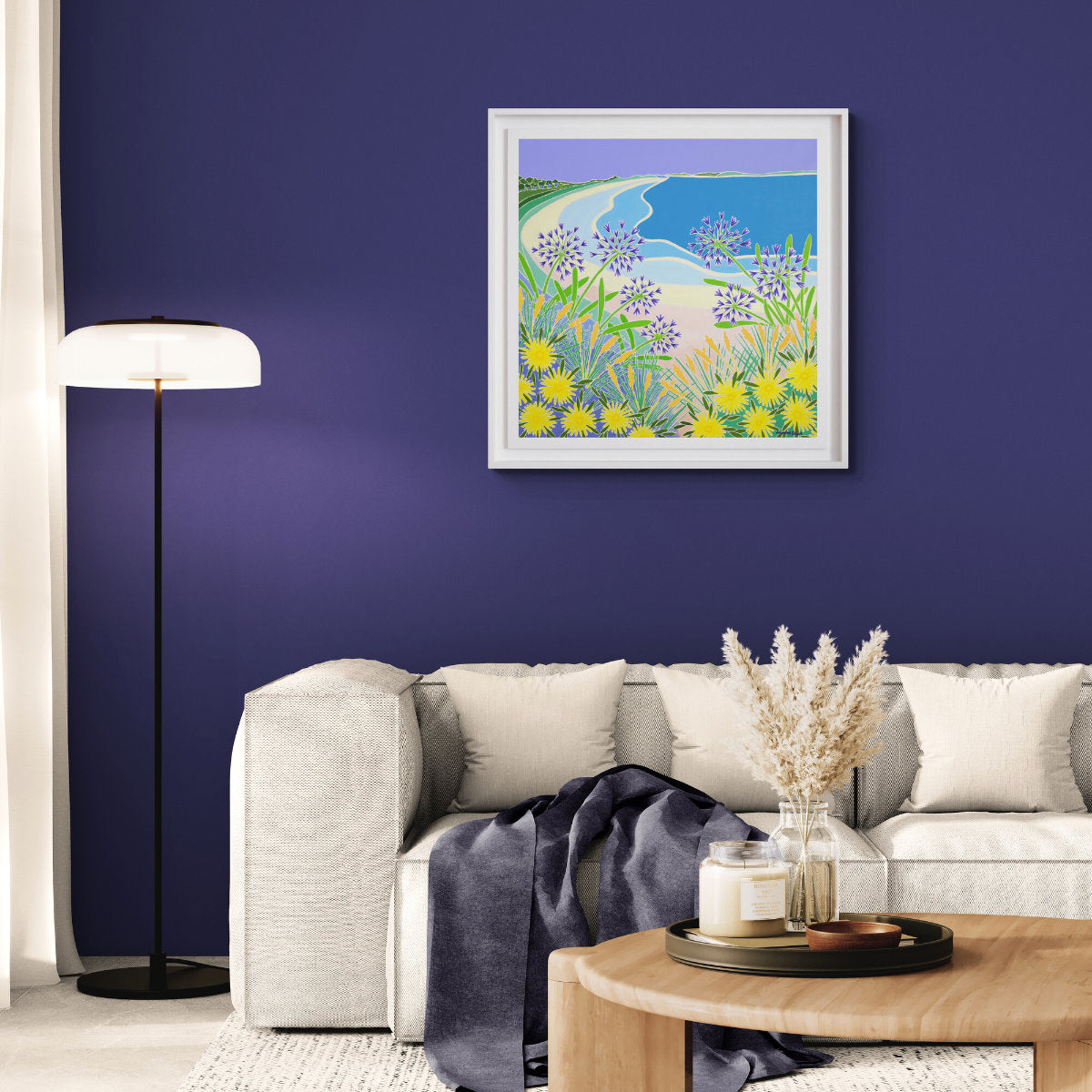
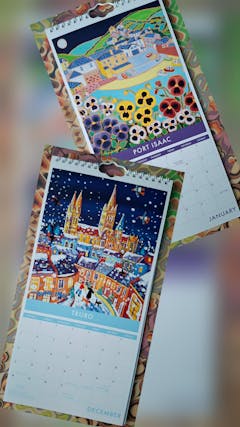
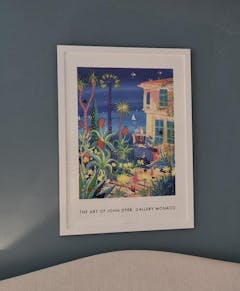
John Dyer received formal education and professional training in graphic design in London. He grew up in a family of artists and began painting at a very young age. Because he has no formal training in painting, Dyer is regarded as a modern master rather than a pure naïve artist. His own idea of a “free‑range childhood” on Cornwall’s north coast, his talent for interpreting the world in paint and his love of creativity combine to create a unique style and technique. He chooses to paint the world with a childlike — but not childish — perspective; this makes his art naïve in spirit even though the artist himself is not naïve.
Every professional artist undergoes a period during their training that alters their view and style. A trained artist is, in many ways, a product of the system; a self‑taught artist such as John Dyer can become a true modern primitive. Their creative activity and new aesthetic further the story of art, and they often become some of the most progressive painters of their time.
Dyer’s work is not only about the process and the product but also the journey. His love of life, people and places shines through in his paintings, and his message — hope, love, peace and unity — comes across clearly. In a time when the world seems divided, his work is a welcome breath of fresh air. “My desire as an artist is to bring hope, love, peace and unity through my work. I want to show that we are all one people and live on the same precious planet. We all come from the same source, and we are all connected,” he says.
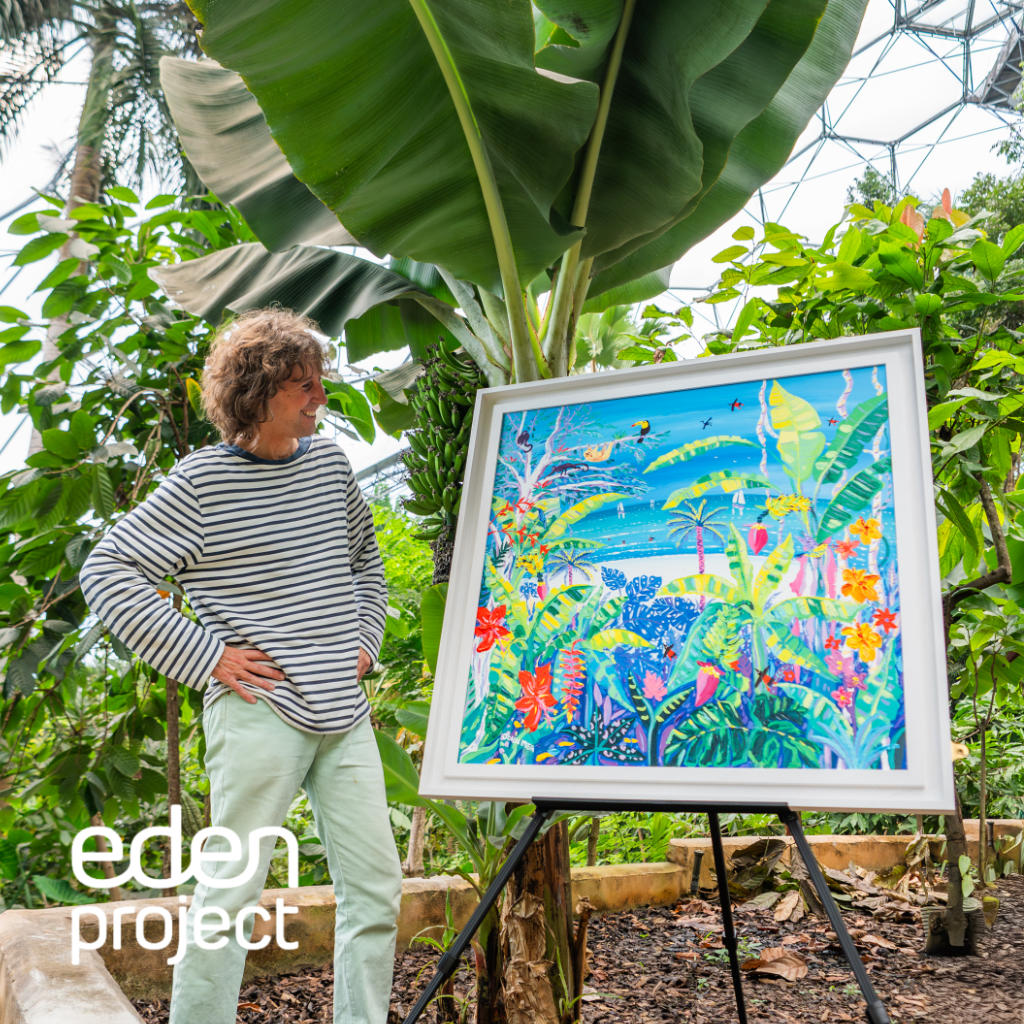
This philosophy is evident in Dyer’s world‑first exploration of Amazonian Indian art in the Amazon rainforest — a new genre of naïve or outsider art. Unlike Henri Rousseau, who never travelled to the rainforest, Dyer has extensively explored the jungles of Brazil, Costa Rica and Borneo. “I like to experiment with new subjects and ideas, and I believe that my work is pushing the boundaries of what is considered naïve or outsider art,” he notes.
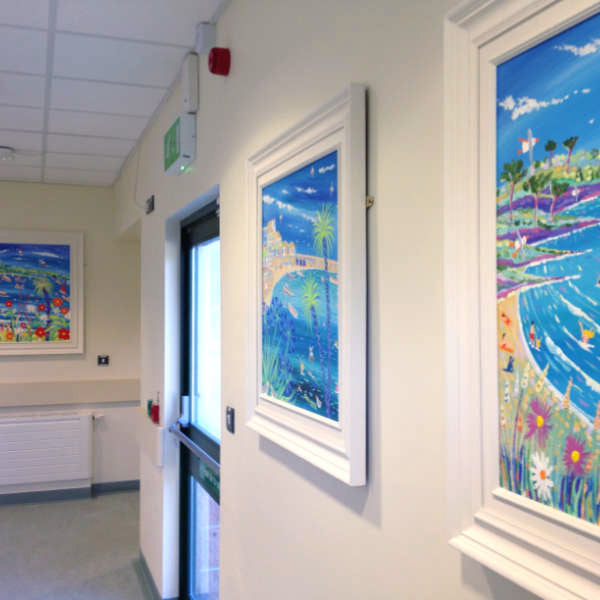
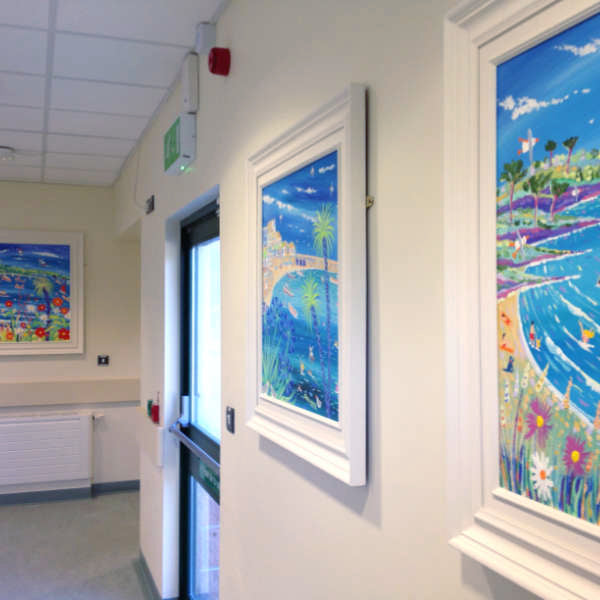
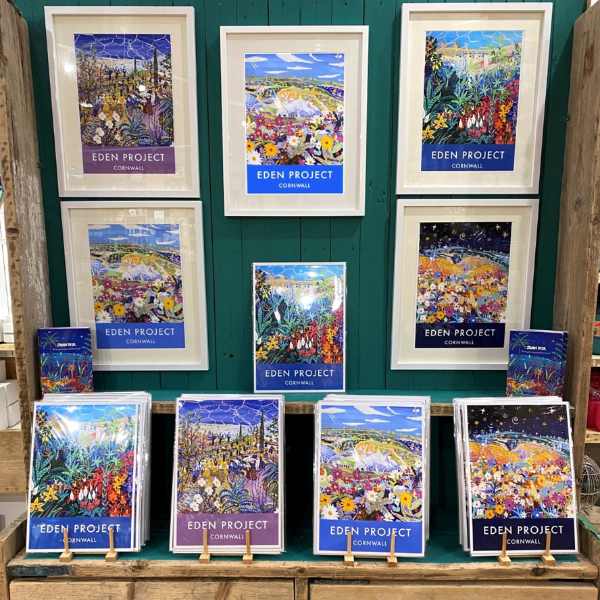
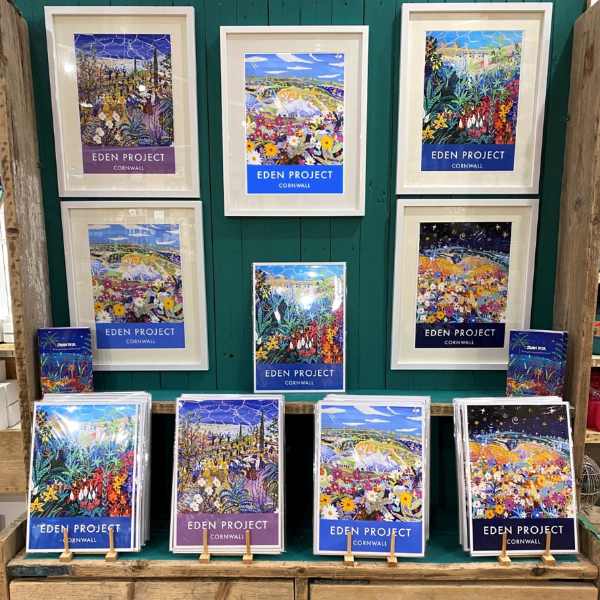
Dyer’s work can be found in private and public collections across the UK, including those of the Eden Project, Save the Children, Alan Titchmarsh MBE, Toyah Willcox, Kim Wilde, Falmouth Art Gallery and the National Trust. “Naïve art is often associated with a certain naïveté or innocence, but it can also be powerfully expressive and emotionally charged. I choose to emphasise subjects and colours, to focus on the small things that pass people by, and this naïve approach without formal constraints is a breath of fresh air in my creative process,” he says.
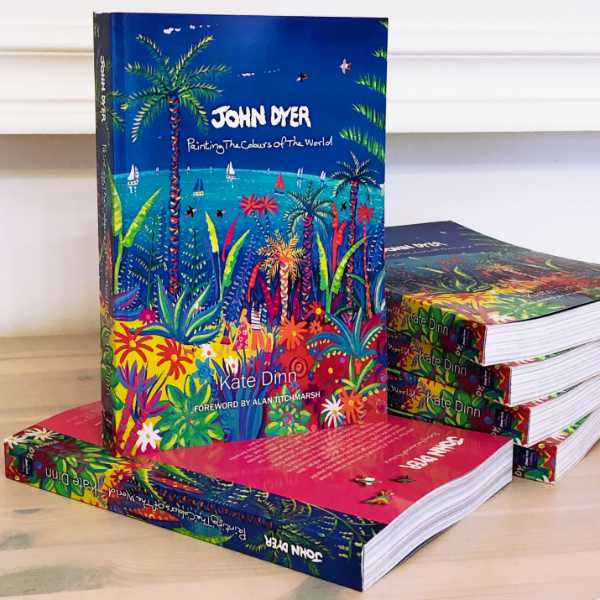
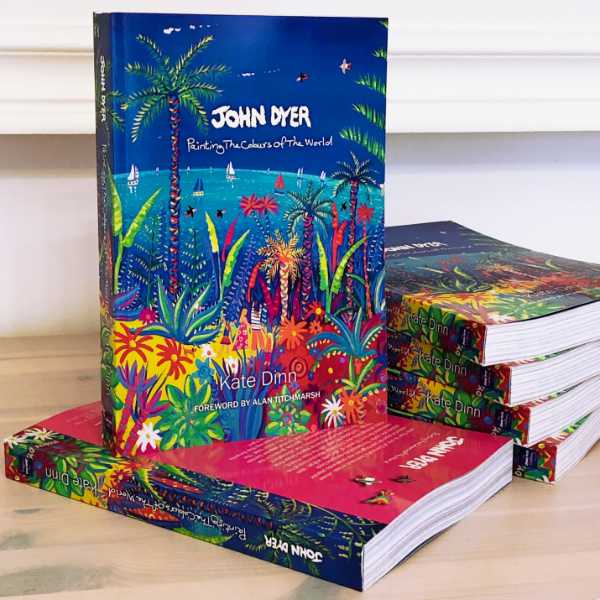
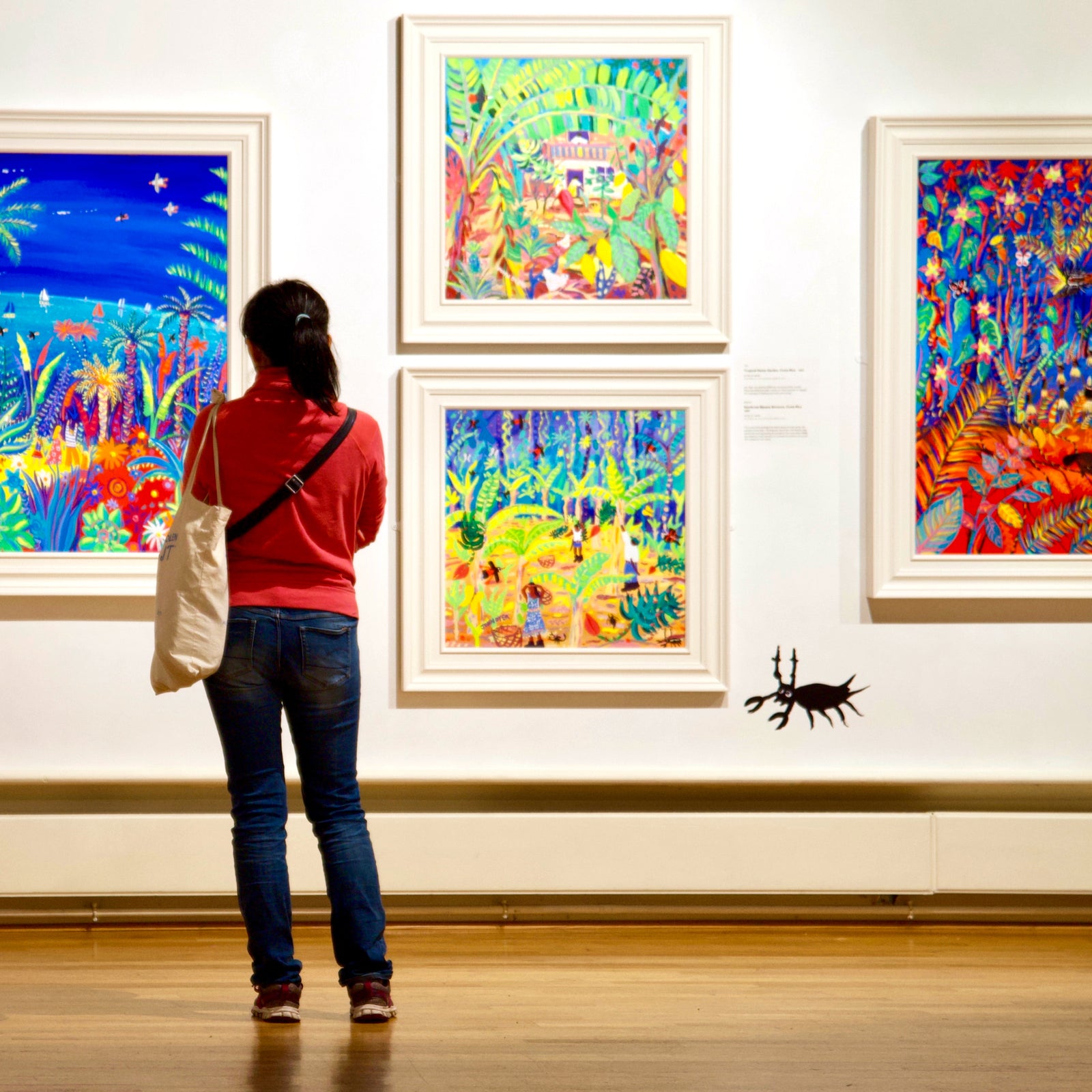
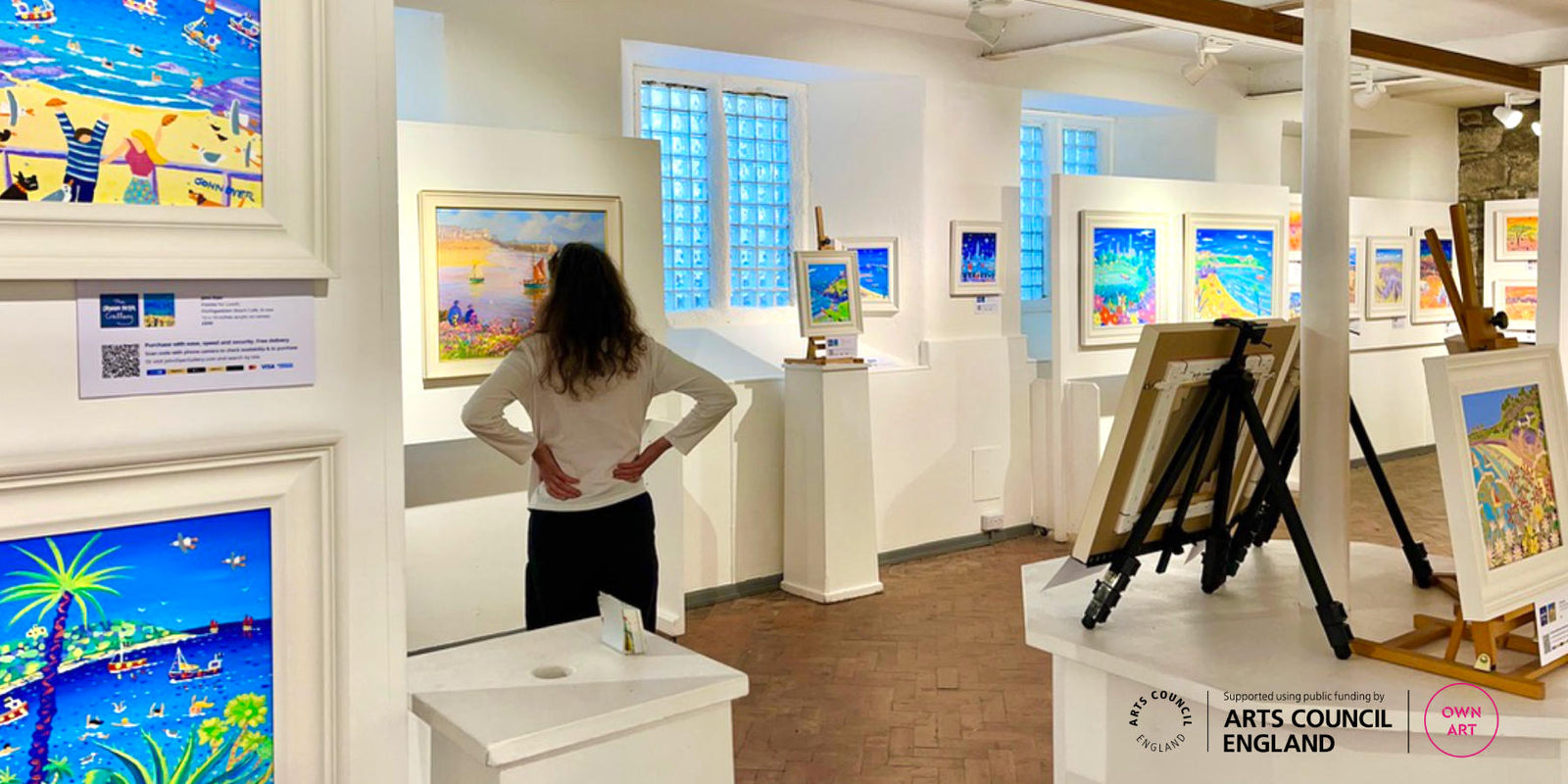
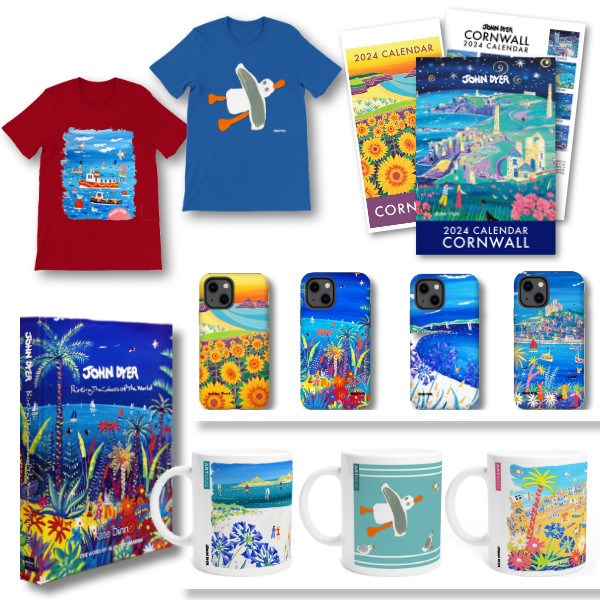
Modern times need modern artists, and John Dyer is a true modern primitive — an outsider artist who is also part of the art establishment. His work has been featured on numerous TV programmes and in documentaries, and he has exhibited in some of the most prestigious locations around Cornwall. A complete public retrospective was held in 2018 at Falmouth Art Gallery to celebrate his career and 50th birthday, and the book Painting the Colours of the World — with a foreword by Alan Titchmarsh — was published to coincide with that exhibition.
Western influences often trap artists into a particular way of working, but Dyer has broken free from those shackles and created his own style. His work is constantly evolving as he experiments with new techniques and ideas, making him one of the most exciting painters working in the UK today and a true modern primitive.
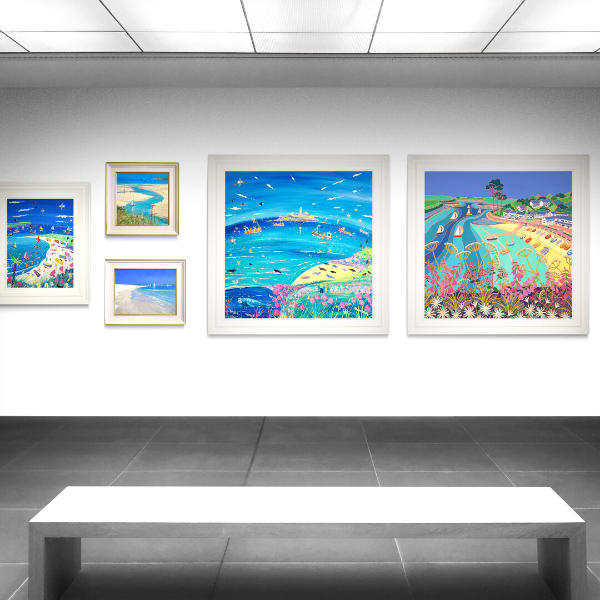
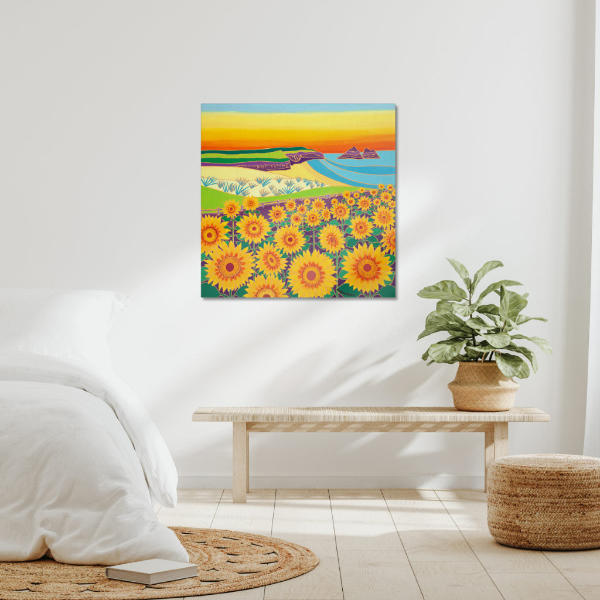
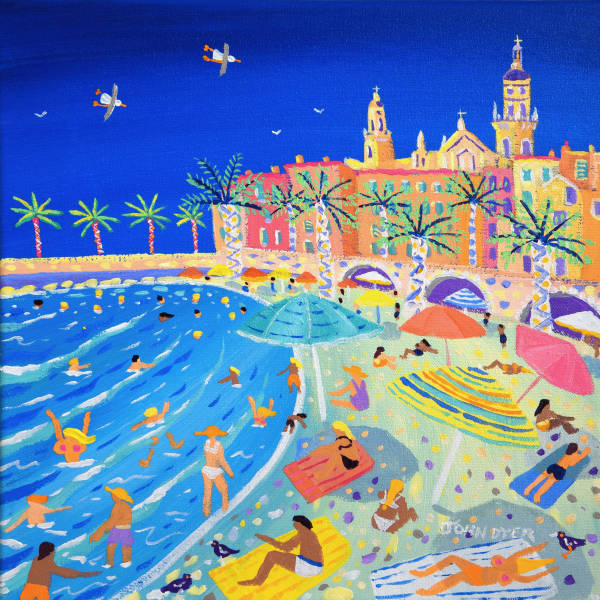
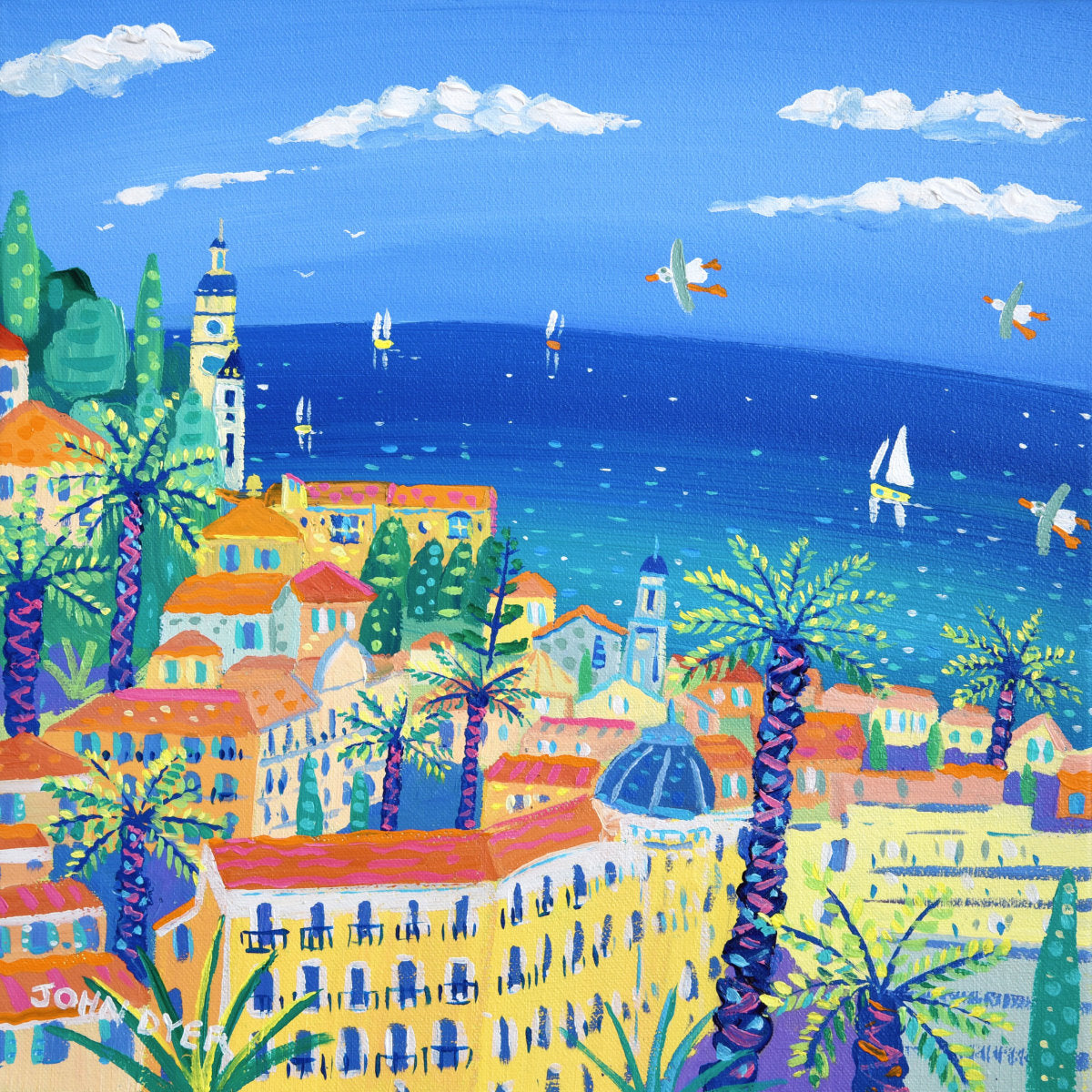
Naïve paintings are a joy to own because they’re so full of life and happiness. The colours are often bright and cheerful, the scenes idyllic, and the people happy and content. They remind us of carefree, innocent moments in our lives. Naïve paintings often depict autobiographical scenes from the artist’s life. They transport us to a world where everything seems perfect, and this optimism is a refreshing change from much of the art found in public galleries.
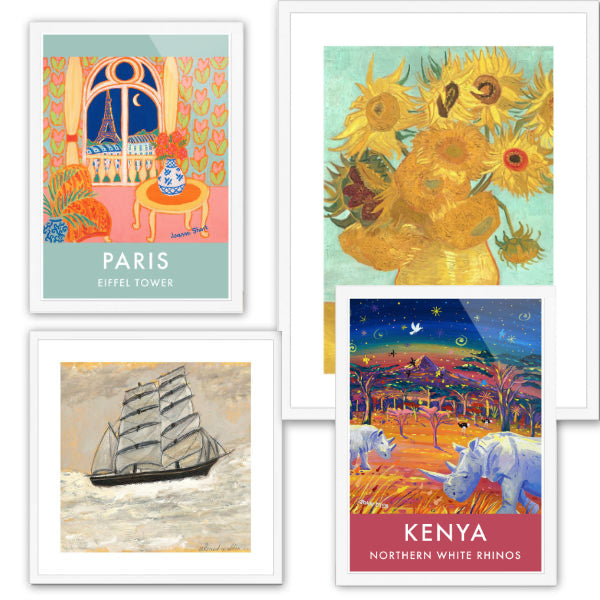
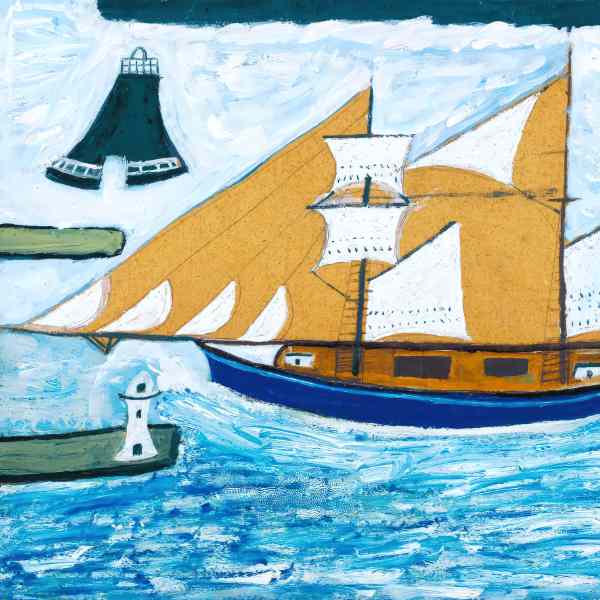
Alfred Wallis was a naïve Cornish artist who created simple yet stunning pieces of art. He had no formal training, and his work’s simplicity and lack of realism are its hallmarks. Wallis worked as a fisherman in St Ives, Cornwall, and his paintings of everyday life inspired the modern art movement led by Ben Nicholson, which helped make St Ives an international hub for contemporary art in the 1950s.
John Dyer’s paintings carry on this tradition in the fine arts. His distinctive style makes viewers feel good every time they look at one of his works. They add a touch of joy to life. If you’re looking for a pick‑me‑up, then a naïve painting by John Dyer is a perfect choice. Owning a naïve painting or a museum‑quality art print is like having a little piece of happiness hanging on your wall — a lovely way to brighten your home and bring positive energy into your life.