






























In the early 20th century, a small fishing village in St Ives, Cornwall, was home to a very special artist of St Ives. Alfred Wallis was born in Devon and lived in various coastal towns, including Devonport and Penzance, before settling in St Ives. Alfred Wallis was a self-taught painter who had no formal artistic training and began painting at the age of 70. In his early life, he had a working background as a fisherman and in other manual trades, including jobs as a cabin boy and cook, later taking on odd jobs to make ends meet. Wallis painted from memory and imagination, often depicting port landscapes and shipping scenes inspired by his maritime experiences.
He used everyday materials, such as household paint on scraps of cardboard and wood, which contributed to his distinctive style. Wallis also made use of sketchbooks to capture his ideas and the subjects he loved, providing valuable insight into his artistic process and personal vision. His work was championed by progressive artists like Ben Nicholson and Christopher Wood, but despite this support, he achieved little commercial success during his lifetime. After the death of his wife, Wallis experienced loneliness, and he died in a workhouse, marking a humble end to his life in Britain. His work is now considered some of the most important art from that time period. Despite his immense talent, Wallis remained relatively unknown during his lifetime. Today, his sketchbooks and artworks have been acquired by major art institutions, including Tate and Kettle's Yard, which have played a significant role in preserving and showcasing his legacy. In this blog post, we will take a closer look at the life and work of Alfred Wallis, and explore why he has been largely forgotten by history.
Alfred Wallis

Above: photograph of Alfred Wallis sitting at his desk in his studio
Alfred Wallis's life story is as compelling as his art. Born in Devonport in 1855, he spent much of his life working at sea and later in various odd jobs to support himself. It was only after the death of his wife that he began painting seriously, using the materials he had at hand. His paintings, often created on scraps of cardboard with household paint, reflect his deep connection to the sea and coastal life. Wallis's naive style, characterized by simple forms and bold colors, captured the imagination of many progressive artists of his time, even though he never achieved commercial success during his lifetime. Today, Wallis is celebrated as a pioneering figure in British naïve art, and his works are treasured in collections worldwide.
Tate St Ives
Tate St Ives plays a crucial role in celebrating the artistic heritage of St Ives, including the legacy of Alfred Wallis. This gallery showcases modern and contemporary art inspired by the unique light and landscape of Cornwall. Tate St Ives holds an important collection of Wallis's works and his final sketchbooks, which provide insight into his creative process. The institution helps to preserve and promote Wallis's contribution to British art, ensuring that visitors can appreciate his distinctive style and maritime themes within the broader context of St Ives' vibrant art scene.
St Ives
The town of St Ives has long been a magnet for artists, drawn by its stunning coastal scenery and exceptional quality of light. This small fishing village in Cornwall became a hub for modern art in the 20th century, attracting figures like Ben Nicholson, Barbara Hepworth, and Christopher Wood. Alfred Wallis, though initially overlooked, was part of this artistic milieu. The town's rich artistic community and its beautiful surroundings continue to inspire painters, sculptors, and visitors alike. St Ives remains synonymous with creativity and is celebrated for its galleries, studios, and festivals dedicated to the arts.
Kettle's Yard
Kettle's Yard in Cambridge is another key institution that has helped to preserve and promote Alfred Wallis's work. Alongside Tate, Kettle's Yard acquired Wallis's sketchbooks and numerous artworks, offering a unique glimpse into his artistic journey. The gallery's exhibitions and programs have brought renewed attention to Wallis, highlighting his innovative use of materials and his contribution to the development of modern British art. Kettle's Yard continues to celebrate his legacy through exhibitions, publications, and educational initiatives.
Barnoon Cemetery

Above: photograph of Alfred Wallis's grave, St Ives Cornwall
Barnoon Cemetery in St Ives is the final resting place of Alfred Wallis. His grave, marked with a stone depicting one of his paintings, has become a site of homage for art lovers and historians. The cemetery itself holds historical significance for the town and serves as a reminder of Wallis's humble life and enduring impact on the cultural heritage of St Ives. Visitors to Barnoon Cemetery often reflect on the contrast between Wallis's modest life and the lasting influence of his art on the British art scene.
The light and colour of St Ives, Cornwall, have inspired artists for centuries. Alfred Wallis, who was largely forgotten until the 1960s, was born in 1855 and spent most of his life fishing off the coast of St Ives. He began painting in his spare time, and developed a unique style that reflected his surroundings. His paintings are characterized by their simplicity and lightness of touch, as well as their intense colours.
Alfred Wallis Fine Art prints
The John Dyer Gallery has a collection of wall art by Alfred Wallis available as open edition prints.
Alfred Wallis Open Edition Cornish St Ives Print. 'Against Longships, Fog'
This open edition print, ‘Against Longships, Fog,’ is a fantastic display of his work. The painting shows two steamers and a sailing vessel navigating the perilous Longships Rocks, off Cornwall’s coast. This work is a fine example of the shipping scenes and port landscapes that Wallis was known for, reflecting his deep connection to the sea. The artist utilized a restricted colour palette of black, grey and white to create this dark yet intriguing image.
Alfred Wallis Open Edition Cornish Art Print. 'Sailing Ship in a Stormy Sea'
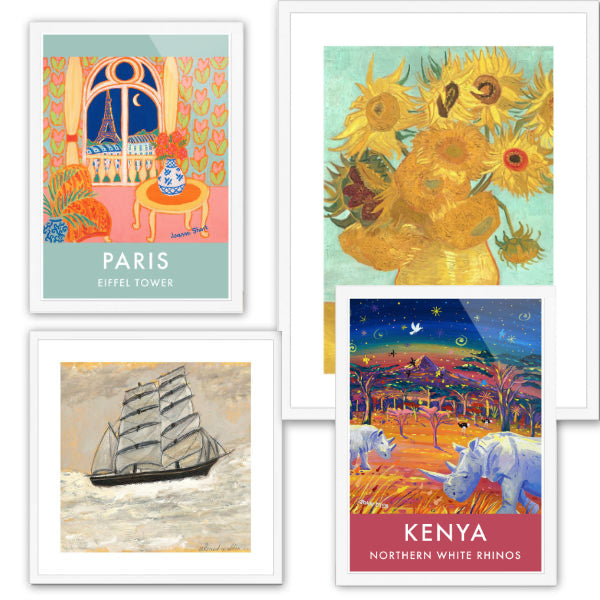
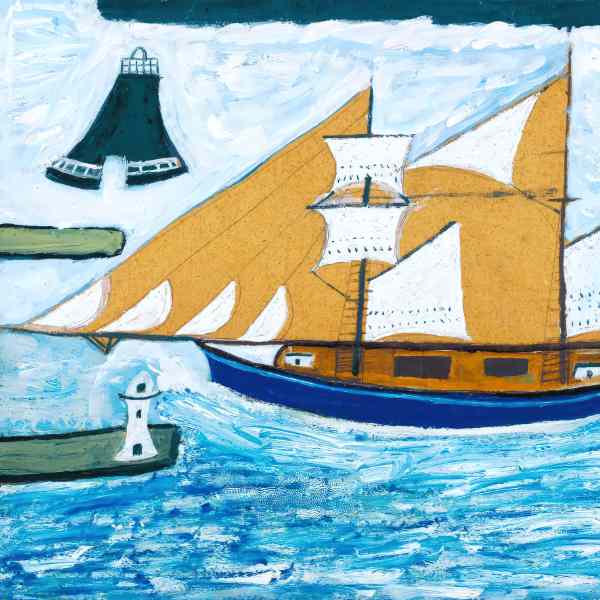
This depiction of ‘The Sailing Ship in a Stormy Sea’ by Wallis is a great illustration of the drama and grandeur of a storm at sea. The orange cardboard’s limited colour palette, which includes black, grey, and white, creates a stark and dramatic contrast that really brings the painting to life. Wallis often painted on scraps of cardboard using household paint, a technique that contributed to his distinctive style. Oil paint and pencil give the work an earthy feel that makes it seem almost possible to touch the crashing waves.
Alfred Wallis Open Edition Cornish Art Print. 'Headland with Two Three-Masters'
Wallis was fascinated by the sea and all its moods. He would often paint boats in stormy seas, reflecting his own experience as a fisherman. Taking his small fishing boat out to sea from St Ives harbour would have been quite ferocious at times and those turbulent seas the fishermen must have experienced are captured perfectly in these simple, yet powerful pieces of art work. Wallis often painted port landscapes from memory and imagination, drawing on his own experiences at sea to create vivid and expressive scenes.
Wallis was a self-taught artist who had no formal artistic training and began painting at the age of 70. He had no formal training and yet his work has a freshness and vitality that is truly remarkable. His use of light and colour is also very distinctive. His paintings seem to glow from within, capturing the light of the St Ives sun and the force and strength of the sea.
Wallis made such an impression on the town that his grave stone depicts a piece of his work and is visited by many art collectors and historians.
Why is St Ives famous for art?
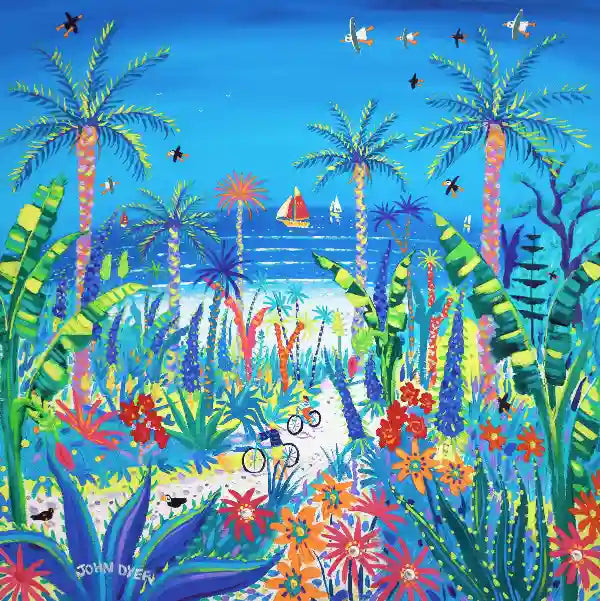
St Ives, Cornwall, has a long history of being a popular destination for artists. The light and colour of the sea and sky have inspired many painters, including John Dyer, Joanne Short, and Ted Dyer.
Ben Nicholson is just one of the many talented artists who have been drawn to this small town historically. He and his wife and several other artists were part of an artists community who became members of the St Ives Society of Artists.
St Ives Society of Artists
After the war, Borlase Smart and his wife moved to St Ives and worked in his Porthmeor studio for several years. He became one of the most prominent seascape painters in St Ives during the years that followed, focusing on boldly painted seascapes. He was a founder member of the St Ives Society of Artists, as well as being an important advocate for local painters.
The arrival of Ben Nicholson, Barbara Hepworth, and Naum Gabo to St Ives in 1939 was the beginning of a modern art movement in St Ives that would have an international reputation within a few years and who would form the core of a new artistic movement that would quickly achieve worldwide renown.
Later generations of younger artists - Peter Lanyon, Terry Frost, and Wilhelmina Barns-Graham were among the other young modern painters who utilized the School's facilities regularly.
Because of these groups of famous artists all being linked to St Ives, it has become well known for its art.
What is special about the light in St Ives?
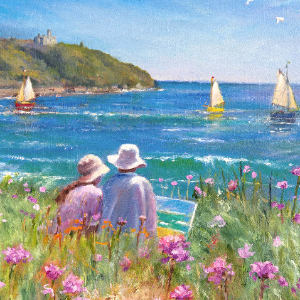
The light in St Ives is said to be unlike anywhere else in the world. The town is located on the southwest coast of England, and the light reflecting off the sea and the pale sand in the bay is incredibly beautiful. Many artists have been inspired by this light, and have used it to create stunning works of art.

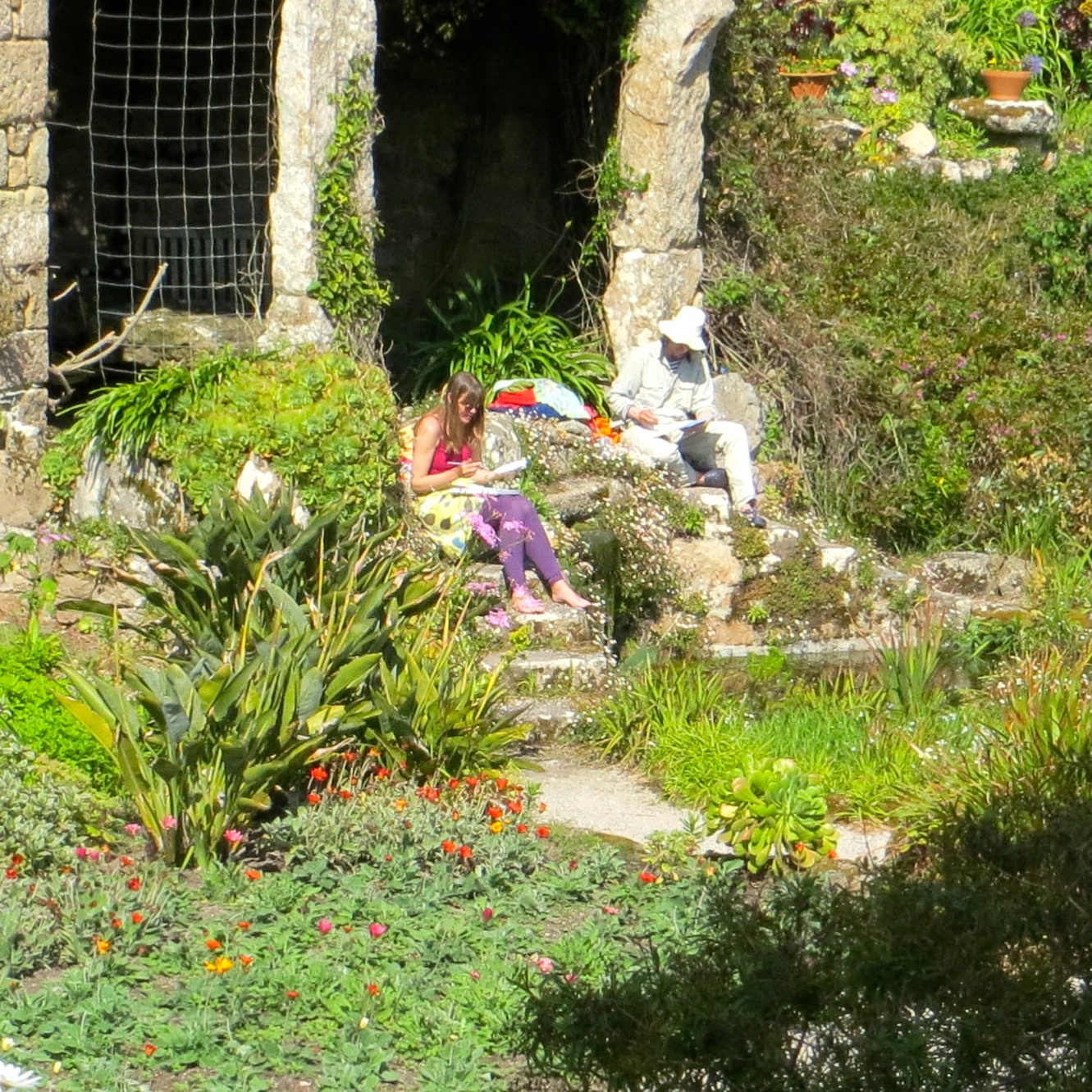
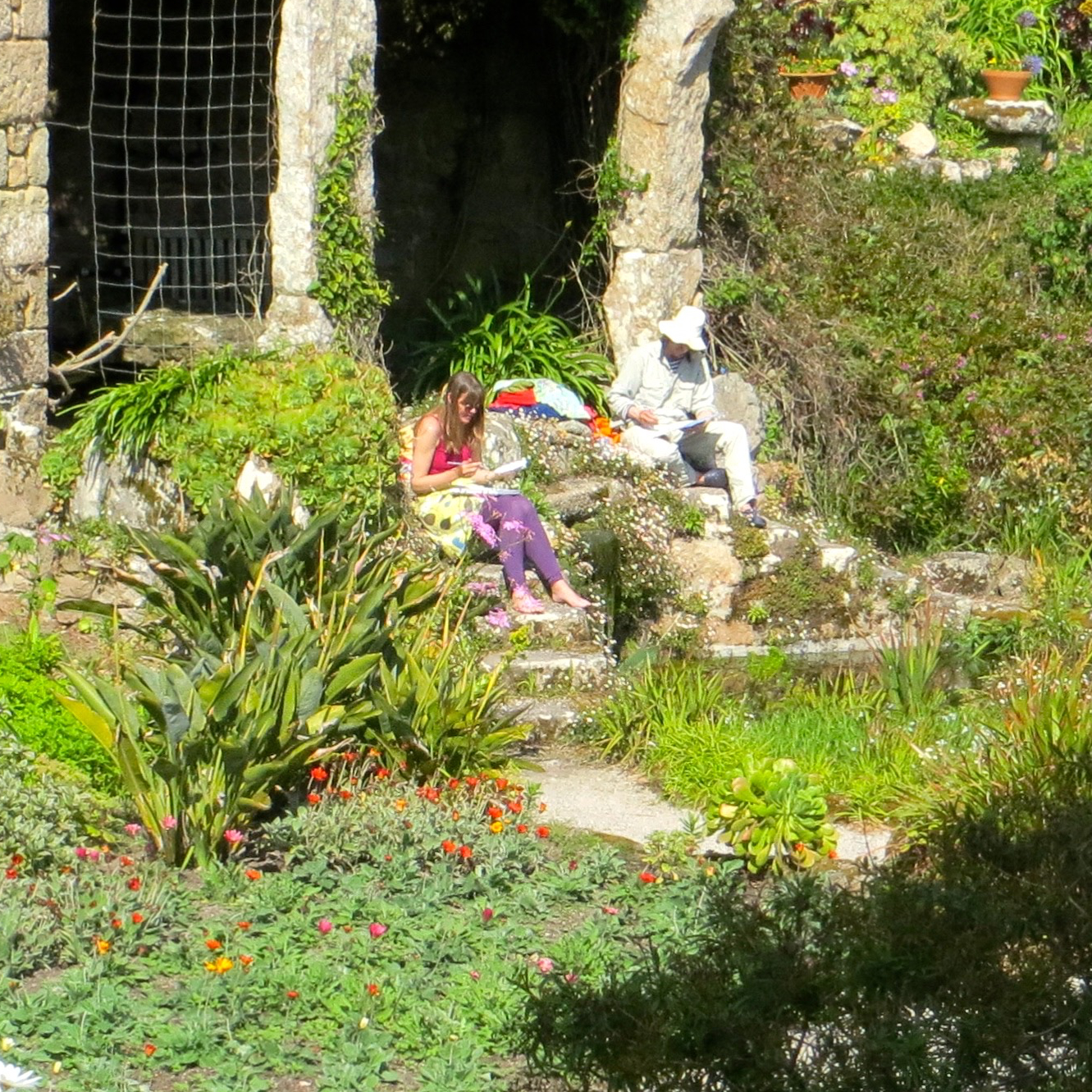
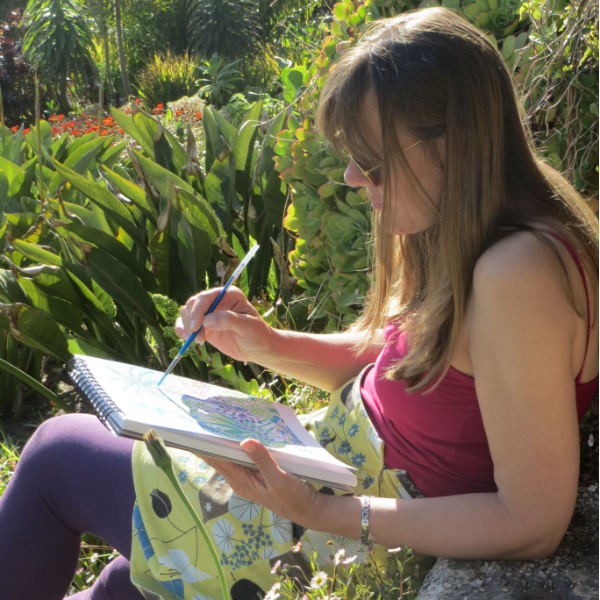
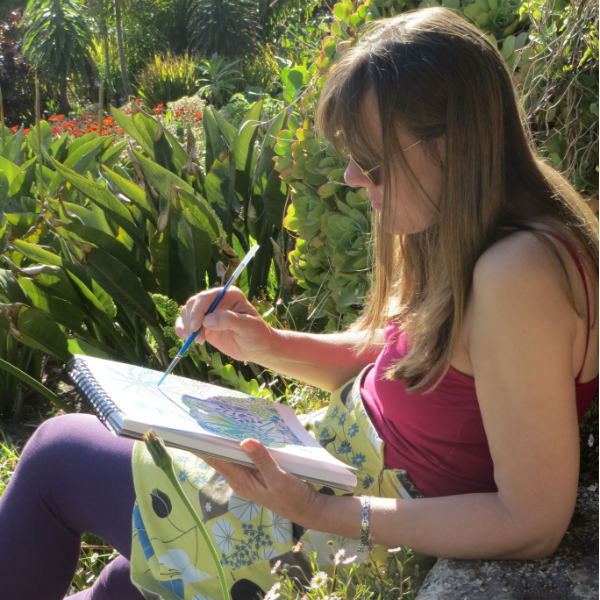
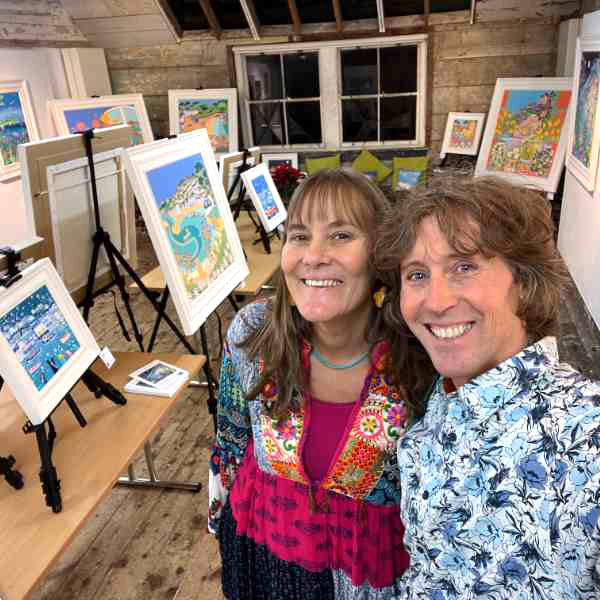
Above: photograph of artist Joanne Short painting St Ives 1998
The light, the colour, and the sea are some of the things that make St Ives such a special place. And it is these same qualities that make the work of Alfred Wallis so unique.

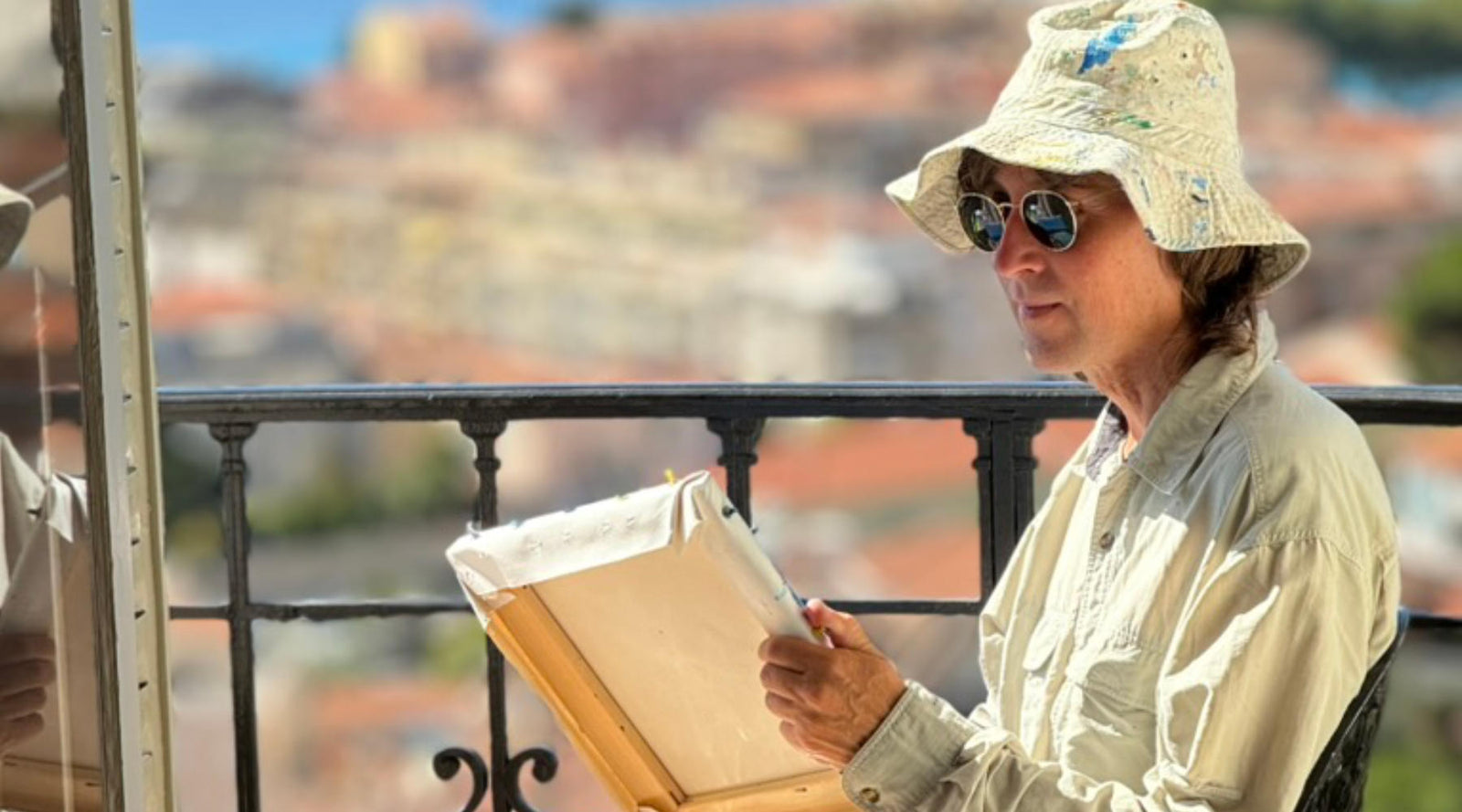
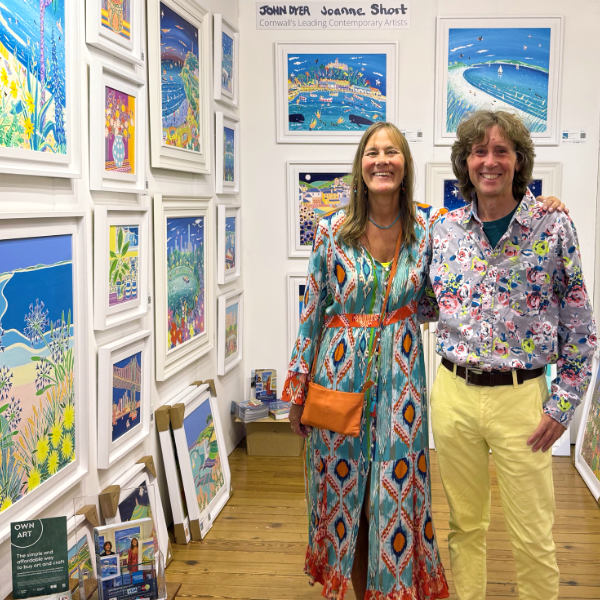
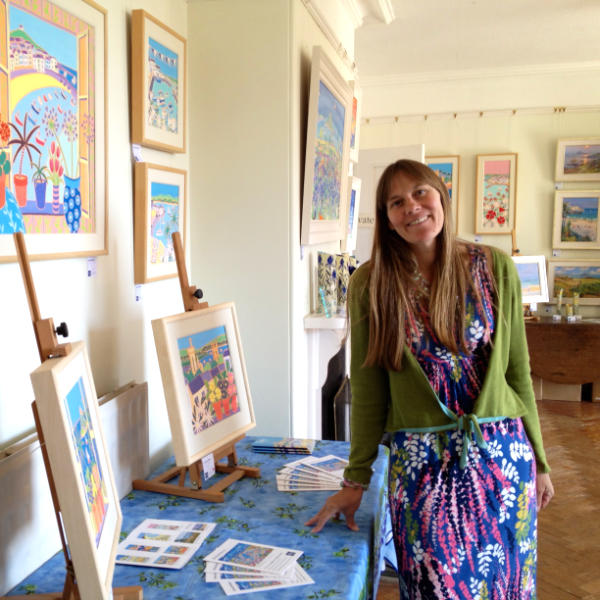
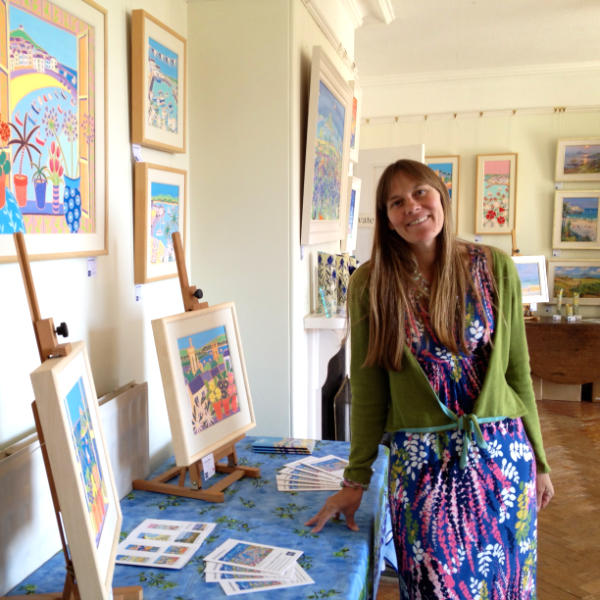
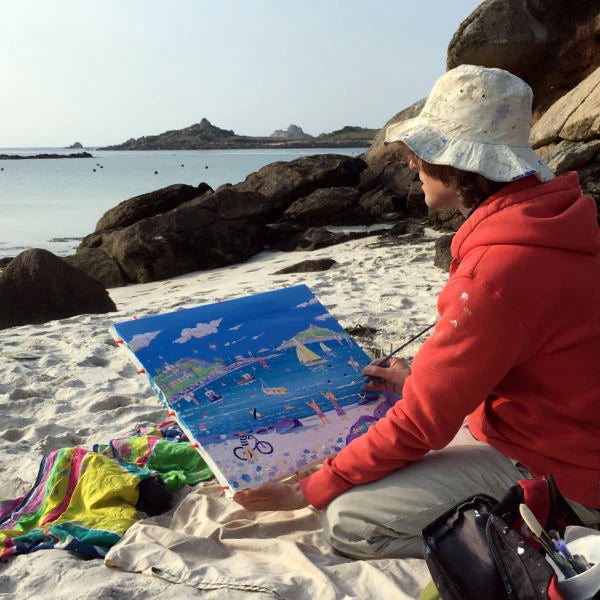
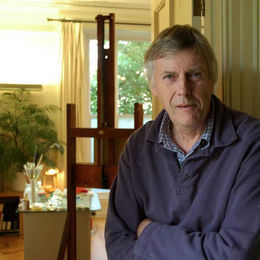
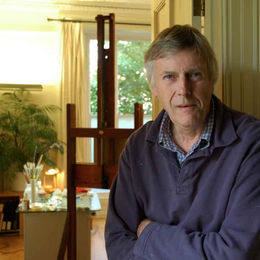
Above: John Dyer painting in St Ives, 1998
Many contemporary Cornish artists have been inspired by naive art of Alfred Wallis and the unique light and atmosphere of Cornwall.
Alfred Wallis, the self-taught artist of St Ives, laid the foundations for a distinctly Cornish approach to modern painting, using simplified forms, bold shapes, and a deep connection to place. His legacy continues to shape the artistic identity of the region, inspiring contemporary artists like John Dyer, Joanne Short, and Ted Dyer. Each brings their own vision to the Cornish landscape and coast, echoing Wallis’s love for everyday life and the sea, while evolving the tradition through vibrant colour, expressive brushwork, and a joyful celebration of light. This thread from Alfred Wallis to today’s artists links generations of creativity rooted in St Ives.
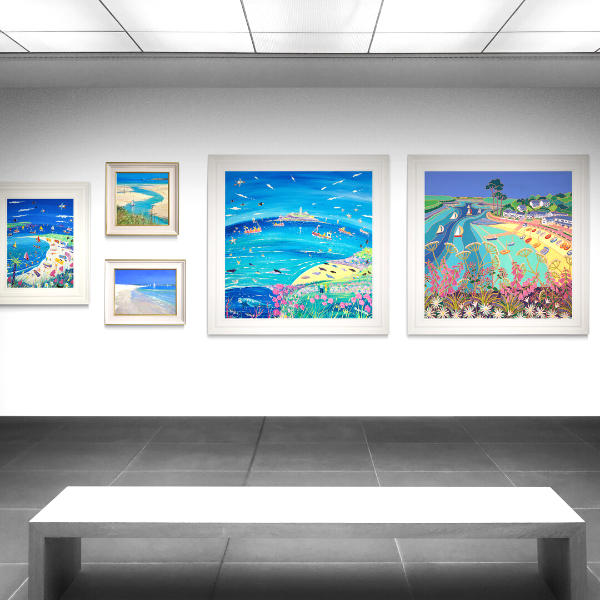
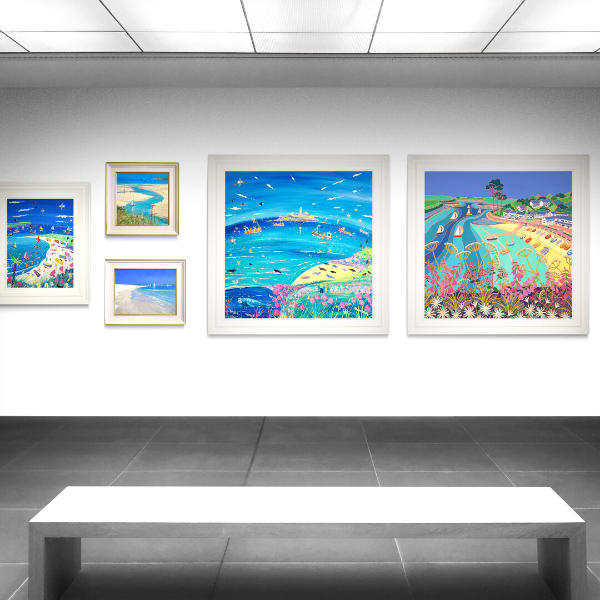
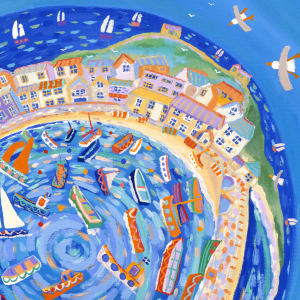
St Ives is one of artist John Dyer's favourite places to paint. There are lovely views across the rooftops to St Ives harbour below or views of Porthmeor beach and across the bay to Godrevy lighthouse. All of these images have been captured in paint and are now available as both limited edition or open edition art prints, framed or unframed.
Art prints of St Ives by John Dyer Gallery artists
Joanne Short
"I love to visit and paint St Ives with its collection of cornish stone cottages nestled around the harbour, with pretty little windows looking out to sea. The harbour is always full of coloured boats bobbing on clear turquoise sea. I am always inspired to try to capture this in paint every time I visit."

Signed Limited Edition Cornwall Art Print by Cornish Artist Joanne Short. 'Glorious View, St Ives'. Cornwall Art Gallery Print
John Dyer
The range of activities and places to explore in St Ives means that there is something for everyone to enjoy. The picture-perfect harbour, with its collections of colourful boats and range of restaurants and bars, is a wonderful place to while away a lazy day.

Signed Limited Edition Print by Cornish Artist John Dyer. 'Boats and Ropes St Ives'
For those who enjoy being active, there are plenty of opportunities to join in with a range of water sports, from kayaking and paddle boarding, to boat hire and fishing trips. Many of these things appear in John's fun, busy and happy paintings and art prints.
John Dyer Fine Art Print. Open Edition Cornish Art Print. 'Cat Snoozing on the Chair, St Ives'
John Dyer Fine Art Print. Open Edition Cornish Art Print. 'Cat Snoozing on the Chair, St Ives'
Ted Dyer

Ted Dyer Fine Art Print. Open Edition Cornish Art Print. 'Afternoon on the Beach. St Ives'
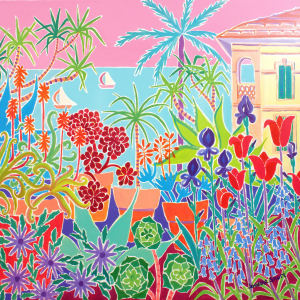
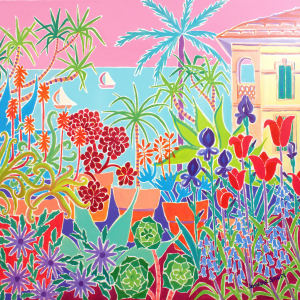
Ted Dyer’s museum-quality open edition Cornish artwork depicts the spectacular view of St Ives Bay from Porthminster Beach. The artist skillfully captures the sparkling sea and sand, as well as its famed brightness, through palm trees and under a Cornish blue sky. This is an essential addition for any art enthusiast or St Ives devotee.
And for those who prefer to simply take in the views, the range of art galleries and exhibitions provide the perfect opportunity to do just that. A notable exhibition of Alfred Wallis's work has played a significant role in bringing his art to a wider audience and highlighting his contributions to modern art. Whatever your interests, you are sure to find something to enjoy in St Ives on a day out.

Above: Photograph of St Ives Harbour taken by John Dyer
If you visit our online gallery and shop you will find a wide choice of paintings, prints, posters, mugs and giftware where you can buy images of St Ives to take a piece of Cornwall home with you—including beautiful signed prints and art posters from St Mawes! We are delighted to be able to offer easy one click payment with Amazon Pay and Apple Pay and accept all credit and debit cards.
Frequently Asked Questions
Who was Alfred Wallis?
Alfred Wallis was a British self-taught artist born in 1855 in Devonport, England. He began painting at the age of 70, using household paint on scraps of cardboard and wood. His work mainly depicts port landscapes and shipping scenes inspired by his life as a fisherman and his connection to the sea.
Why is Alfred Wallis called the 'Artist of St Ives'?
Wallis lived in St Ives, Cornwall, a town renowned for its vibrant artistic community. Although he started painting late in life, his distinctive naive style and maritime subjects made him an important figure within the St Ives art scene, earning him the nickname "Artist of St Ives."
Did Alfred Wallis have any formal artistic training?
No, Alfred Wallis was entirely self-taught and had no formal artistic training. His naive style reflects his background and personal experiences rather than academic art education.
What materials did Alfred Wallis use for his paintings?
Wallis often painted with household paint on found materials such as scraps of cardboard and wood, which contributed to the raw and authentic feel of his art.
Which artists supported Alfred Wallis during his lifetime?
Progressive artists such as Ben Nicholson and Christopher Wood championed Wallis’s work, recognizing his unique contribution to British modern art despite his lack of commercial success during his lifetime.
Where can I see Alfred Wallis's artwork today?
Wallis's works are held in major art institutions including Tate St Ives and Kettle's Yard in Cambridge. These galleries showcase his paintings and sketchbooks, preserving his legacy and influence on British art.
What themes did Alfred Wallis explore in his paintings?
His paintings primarily depict maritime life, including shipping scenes, port landscapes, and coastal views inspired by his memories and experiences as a fisherman.
How did Alfred Wallis's life influence his art?
Wallis’s lifelong connection to the sea and his experiences working as a fisherman and in other manual trades deeply influenced the subjects and style of his paintings, which are characterized by simplicity, bold shapes, and vivid colours.
Why is St Ives significant in the art world?
St Ives is famous for its exceptional quality of light and coastal scenery, which has attracted many artists over the years. It became a hub for modern art in the 20th century, home to many renowned artists and artistic movements.
What is Alfred Wallis’s legacy?
Though he died in relative obscurity, Alfred Wallis is now celebrated as a pioneering figure in British naive art. His work has inspired generations of artists like Cornish artist John Dyer and continues to be an integral part of St Ives’s rich artistic heritage.